Reviews

Jeanne Dielman, 23, quai du Commerce, 1080 Bruxelles (1975)
A Alisa_WillisJune 12, 2024
A true feminist film. The power of cinema lies in its observative nature, in portraying the ordinary unconventionally. Almost entirely set indoors with fixed camera positions, the film condenses three days into three hours, painstakingly showcasing a mundane yet inherently static domestic life. Filming a woman burdened by housework so directly and steadily, it encapsulates the dramatic within repetition and tedium, forcing viewers into a shared experience by fostering a subtle connection with the housewife on screen.
Jeanne Dielman, 23, quai du Commerce, 1080 Bruxelles (1975)
B Brady_GentryJune 12, 2024
This film perfectly blends slow cinema, minimalism, and feminism. With fixed long takes, medium shots, and diegetic sounds. These seemingly tedious slow cinema techniques never bore me because, beyond the secret satisfaction of "voyeurism", the "slow cinema" and "minimalism" are meticulously crafted to condense realities, making every detail worthy of contemplation.

Chinatown (1974)
S Shannon_LiuJune 12, 2024
Roman Polanski’s classic film noir tells the story of a nobody fighting against a grand conspiracy. With a stellar cast of Jack Nicholson, Faye Dunaway, and John Huston, and a top-tier script, this film will thrill any suspense movie fan. The tightly interwoven plot demands the audience's full attention. The dark color palette and brilliant dialogue, capped by the unforgettable final shot of Chinatown at night, make it a masterpiece.
The Godfather Part II (1974)
R rodolfoandrade-46951June 12, 2024
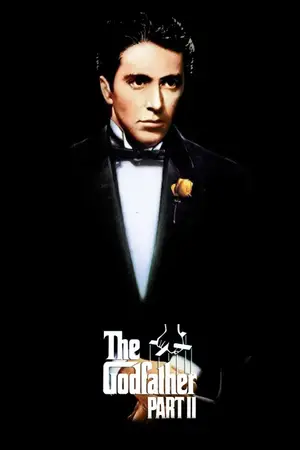
From "The Godfather" to "The Godfather Part II," Coppola's camera captures the transfer of power between two generations of Godfathers and documents Al Pacino’s transformation from a boy to a man. With Marlon Brando, Al Pacino, and Robert De Niro, Coppola’s lens encompasses three generations of Godfathers, making it a quintessential American gangster film.
The Godfather Part II (1974)
R rbmf1984June 12, 2024
Despite its three-hour runtime, there isn't a single redundant scene. "The Godfather Part II" surpasses the artistic achievements of the first film. Spanning 50 years, its dual narrative creates a true epic. Al Pacino and Robert De Niro deliver outstanding performances, and the cinematography and color palette remain superb. The plot evokes deep emotions, and the sorrowful music is profoundly moving. However, this flawless classic is also incredibly cold and harsh.
The Godfather (1972)
C CookieBrightJune 12, 2024
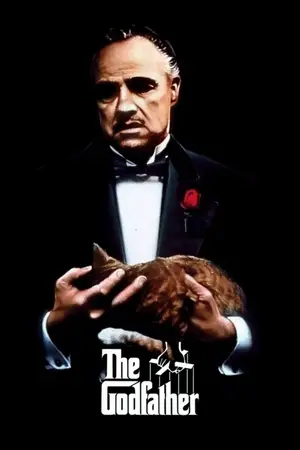
Both the original novel and the film adaptation of "The Godfather" are classics. I recently finished watching the first film, which serves as an elaborate setup and a bridge. Michael’s rise to power as the head of the family felt abrupt yet inevitable, his decisiveness and calmness destined him for greatness. My only criticism is the unclear timeline, particularly Michael’s time in Sicily and his return to the US, which I found confusing.
The Godfather (1972)
E Ellard2June 12, 2024
I admit it’s a great film with masterful cinematography, lighting, composition, and color. However, I have an innate aversion of gangster films. I feel that they only protect those who benefit them, akin to schoolyard bullies. I prefer the rebellion in "Dead Poets Society" over gangsters who harm others while proclaiming themselves righteous.
A Clockwork Orange (1971)
A Alexia_WJune 12, 2024
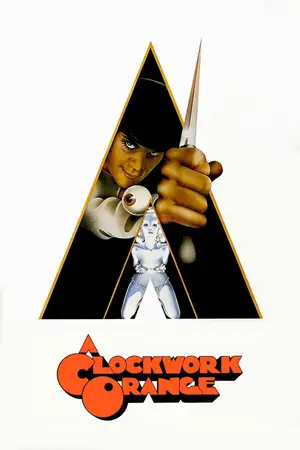
There were two pieces of metaphors that didn't quite make sense: the backlit shots and the milk imagery. The shots in the movie that explain the relationships of the characters, the scenes, and the events going on are simply textbook. The composition, framing and use of different focal lengths of lenses are also detailed; long sporting shots are also very well thought out, and it turns out that this is the level of the anti-utopian storytelling of the cinematic patriarch Kubrick.
A Clockwork Orange (1971)
4 46tomJune 12, 2024
Kubrick's narrative deconstructs the relationship between society and individual violence. While its shock value has diminished over time, the innovative ideas remain. The cycle where an individual is deemed violent by society and then "cured" through societal violence is profound. Kubrick’s contribution to cinema lies in his masterful use of film language and scene composition.

Harold and Maude (1971)
C Chloe_FrenchJune 12, 2024
A plainly terrible hippie film, it embodies all the flaws of the genre. Its call for freedom and pleasure is dangerously oversimplified, and while challenging traditional values, it fails to provide sufficient justification, demanding the audience to just see from the film's perspective. Apart from the music, it contributes nothing, with subpar performances and B-grade production quality, wasting its potential and purported values.
Harold and Maude (1971)
L Lee_OrtizJune 12, 2024
"Harold and Maude" deserves frequent revisits. Meeting at a funeral, Harold and Maude's connection sparks instantly. Despite its joyful and humorous tone, the film tackles the weighty theme of life and death. It’s not about an unconventional romance; it examines why people are happy or unhappy. The conclusion is simple: what we own is often not what we want, and what we want might not actually do us good if we manage to get it.

Wanda (1970)
B Brady_BarrJune 12, 2024
Barbara Loden’s only feature film as writer, director, and actress is a genuine, feminist film. The handheld camera's shakiness and grainy picture quality mirror Wanda's authenticity. By stripping away entertainment elements, the film gains a more realistic, documentary-like feel. It introduces personal narratives within familiar tropes, expanding individual introspection to broader discussions about women, and that is deeply moving.
Wanda (1970)
W Wesley_RobersonJune 12, 2024
1970s American films often share a sense of despondency, despair, and aimlessness. I don't see "Wanda" as a feminist film; the two protagonists—a headstrong wanderer and a drifter, merely accompanying each other along the way of their aimless journey. I believe Barbara Loden is not only a good director but also an excellent actor, which is why she could make such a compelling film.

2001: A Space Odyssey (1968)
L leno2873June 12, 2024
This film feels more like a philosophical exploration rather than a straight sci-fi, with no definitive answer to the film's provocation of ideas, which makes me, someone used to watching suspense and thriller films, feel uneasy and uncomfortable. Kubrick's use of music is pure genius; I never imagined "The Blue Danube" could harmonize so well with a space backdrop. And it is quite a remarkable feeling seeing that many technologies depicted in the film (video calls, voice-controlled computers, human-computer chess games) have become a reality.
2001: A Space Odyssey (1968)
J JimsuaJune 12, 2024
"A Space Odyssey" was the first Kubrick film I watched. The tripartite structure narrates the history of human civilization: the origin of humanity, the space exploration period, and the alienation, rebirth, and transcendence of humanity through technology. The music like "Also Sprach Zarathustra" and "The Blue Danube" are iconic. Kubrick truly understands how to depict horror -- silence rather than loudness, unknown rather than the visible. We humans are never destined to be omniscient, and our deepest fear stems from being out of control.
Rosemary's Baby (1968)
A Arnold_NolanJune 12, 2024
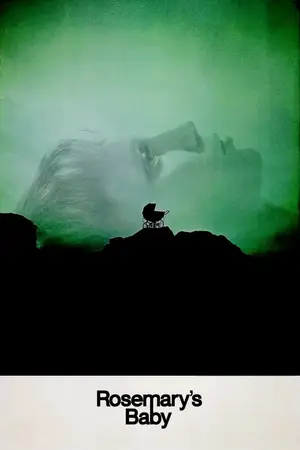
The horror lies beyond the screen, the suspense within the mind. The film uses no graphic violence, yet it genuinely terrified me. A truly successful horror film targets the psyche rather than relying on intense visual and auditory effects to create fear.
Rosemary's Baby (1968)
C CORNÉLIO-1June 12, 2024
In this film, what astounded me wasn't Polanski's brilliant directorial talent and style, but the sheer darkness of his work. Compared to Kubrick’s "Eyes Wide Shut," which tackles similar themes, Polanski's film exudes a purer form of darkness. This is why I have always felt justified in my aversion to Polanski; his work isn't heavy, but it is genuinely evil. The scenes of women being harmed are disturbingly real and terrifying.
The Graduate (1967)
A Alana_SuarezJune 12, 2024
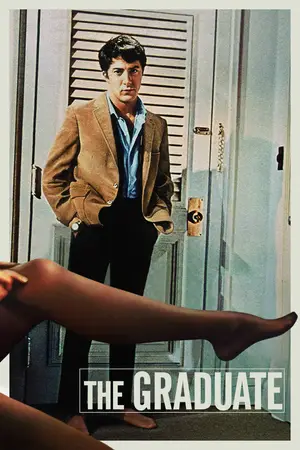
A landmark film for American youth, "The Graduate" owes its success to its relatable story. The latter part of the film evokes a strong sense of romantic freedom reminiscent of "Bonnie and Clyde". The film is rich in audiovisual elements popular of the time. The toaster scene, paired with its corresponding dialogue, is particularly intriguing.
The Graduate (1967)
C Carolyn_BullockJune 12, 2024
This film portrays the confusion, anxiety, and rebellion of a fresh graduate. Mike Nichols won the Oscar for Best Director for his meticulous and exquisite composition, cinematography, and editing. It’s filled with iconic shots, dramatic transitions, and masterful use of depth of field. Dustin Hoffman's acting prowess begins to shine here. The poignant ending invites reflection, while the two theme songs remain etched in the audience’s memory.

Daisies (1966)
A Alfreda_GibbsJune 12, 2024
Perhaps one of the finest New Wave films, "Daisies" is filled with socialist metaphors and satire. What is significant is its examination of cinema as a visual medium, breaking free from the conventional constraints of formulaic storytelling. It constructs its unique narrative through thematically linked visual elements and cinematic language.