Reviews
The Red Shoes (1948)
E elizabethevensJune 12, 2024
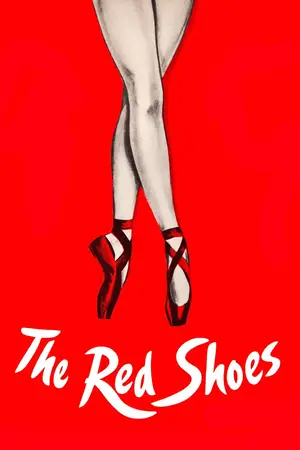
Another classic from Michael Powell and Emeric Pressburger, it's considered the best ballet film in cinema history. It explores the dilemma of women choosing between career and love. The 17-minute ballet sequence in the film is a feast of color and music, setting a standard for future musicals like "Singin' in the Rain" and "An American in Paris." Using techniques like editing, varying camera angles, and special transitioning effects turn a stageplay into a film, creating an extraordinary cinematic experience.
It's a Wonderful Life (1946)
W Will_SellersJune 12, 2024
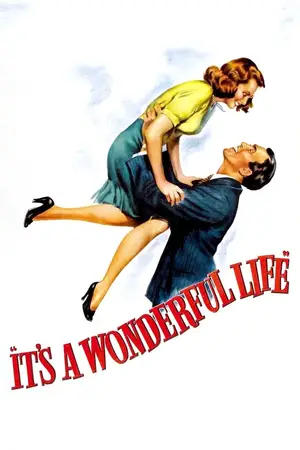
Before this film, "Love Actually" was my go-to Christmas movie, but this 1946 masterpiece has taken its place in my heart. While it might seem clichéd and predictable in the 21st century, it's undeniably warm and impactful.
It's a Wonderful Life (1946)
A August_McintoshJune 12, 2024
I can't exactly pinpoint where the movie excels at, but it moved me despite its clichéd inspirational plot. When feeling utterly disappointed in yourself, unable to overcome the obstacles in your life, or unable to fulfil your dreams, remember how many peopleyou’ve brought happiness to. And may you, like George, find joy.
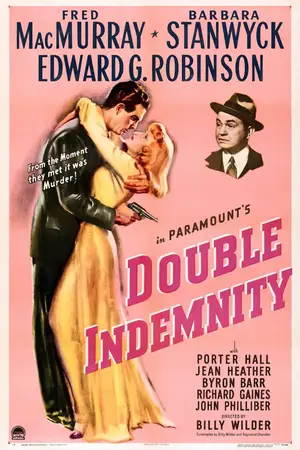
Double Indemnity (1944)
A Alvin_JacksonJune 12, 2024
The dialogue is exquisite, especially Keyes' crisp, clean monologue. The narrative technique of having a crime confession right at the start makes things suspenseful throughout, although the resolution falls short despite of all the buildup. The last two scenes showcase Wilder's positive outlook on humanity, particularly the honest, respectful dialogue between two men who have opposing roles but shares the same viewpoint, adding a soft touch to the noir film.
Double Indemnity (1944)
S Samuel_SimmonsJune 12, 2024
One of Billy Wilder's early works, this film noir classic was revolutionary for its time. The suspense is unveiled at the beginning yet the film remains captivating. The dark, oppressive lighting and cinematography, along with the detailed psychological changes of the protagonists and Barbara Stanwyck's meticulous attire, are highlights of the film. Under the constraints of the Hays Code, the film is daringly suggestive, and the ending's homosexual undertone is particularly bold.

Casablanca (1942)
C cchristinaJune 12, 2024
The film uniquely portrays a profound love story under the shadow of fascism, balancing themes of love and justice without losing focus. The director skillfully emphasizes both aspects, with dialogues that are subtle yet poignant. This is a romantic yet tragic, heartwarming yet sorrowful film.
Casablanca (1942)
B Bryon_StevensJune 12, 2024
This 1944 Best Picture Oscar winner is a captivating love story blended with elements of espionage. The script, cinematography, and performances are all top-notch. Like Chaplin's "The Great Dictator," it was made during the height of fascism, showcasing the courage of these filmmakers who, not knowing the outcome of WWII, risked everything to produce films that inspired the global anti-fascist movement.
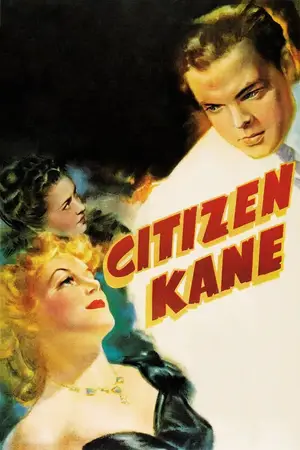
Citizen Kane (1941)
E enzozoloJune 12, 2024
At just 25, Orson Welles created what academic circles still consider the greatest film ever made. The film extensively uses deep focus, depth of field, moving cameras, and multi-angle shots, continually pushing the visual limits of its time. The narrative structure is disrupted, using multiple storylines and perspectives to piece together a complete Kane.
Citizen Kane (1941)
I Ivan_JohnsJune 12, 2024
Orson Welles made Citizen Kane when he was 26. My life at 26 is as colorful as a black and white movie.

The Grapes of Wrath (1940)
I Ian_MirandaJune 12, 2024
I felt bored initially, but as the family resignedly embarks on their arduous journey, the essence of the film gradually comes to light. The depiction of middle- and lower-class Americans is vivid. The corrupt, inept police incite hatred, while the honest, kind people is heartwarming. When the oppressed rise, revolution follows. The characters are well-rounded, with the mother being especially iconic.
The Grapes of Wrath (1940)
C calrosdhfJune 12, 2024
Faced with hunger and tyranny, the constant migration and expulsion of the lower class gradually awakens them to reality, sowing the seeds of revolution. The mother is the main focus of the film and the pillar of the family, whose positive outlook inspires everyone. Her mixed emotions of excitement and sadness while hearing her son sing "Red River Valley" during the dance is touching. The film's lighting significantly enhances its overall depth.

Stagecoach (1939)
S Sammy_OliverJune 12, 2024
Ford's first film. It evokes a air of romance unique to Ford while being grandiose. The script is exquisite, with numerous indoor scenes featuring many characters, having a balanced screentime for everyone. Conflicts, resolutions, and everything else unfold orderly with the plot, while not being draggy. The second half's desert chase scene is unrivaled, with meticulous, sophisticated staging and varied camera work.
Stagecoach (1939)
C capturefabioJune 12, 2024
A quintessential American Western adapted from Maupassant's "Boule de Suif." The view offered from placing the camera at the top of the coach enhances the sense of immersion, and frequent cross-cutting intensifies the pace, culminating in a vivid "last-minute rescue" that saves the stagecoach passengers. As the stagecoach rides through the endless desert, a close-up reveals numerous Native Americans observing it, forming a montage in a single shot that hints that the land truly belongs to them. The classic Western ideology seems rather biased now, depicting Native American attacks on Americans without explaining their motives, reducing them to mere savages assaulting civilization.

The Rules of the Game (1939)
E Erik_HuntJune 12, 2024
This film, through satire that nearly turns into farce, reflects Renoir's taste for the naturalistic and his pessimism about "an age of lies." The "hunting grounds" and "dinner table" scenes are symbols highlighting this. The stage-like deep focus encourages viewers to explore frame elements beyond the foreground figures, carrying a sense of fate. The "rules of the game" represent the hypocritical morals of the upper class thats disrupted in chaos and restored in tranquility.
The Rules of the Game (1939)
A Angelina_WatersJune 12, 2024
One can almost effortlessly imagine how Renoir infused Baroque music's counterpoint features or rhythm into the fabric of this film. The concealed, pursued, and intertwined relationships among the philandering couples and their strange friendships mirror a simple yet profound canon. The final gunshot shatters the Baroque music and a whole epoch, marking it as cinema's greatest gunshot.

Snow White and the Seven Dwarfs (1937)
E eRRodrigo7June 12, 2024
Disney's first feature-length animation and the first-ever feature-length sound animation with colour in history - its historical significance is unparalleled being the inaugural Disney Princess film. Although Snow White's character might seem unappealing by today's standards, she remains a highly popular Disney princess. The film's production quality is exceptional for its time, and its art style doesn't feel outdated even until now. However, the main storyline is short, interweaved with musical segments that don't integrate well.
Snow White and the Seven Dwarfs (1937)
R renynyJune 12, 2024
Based on a Grimm Brothers' fairy tale and produced by Disney, it's the first feature-length animated film in cinematic history. This film's artistic achievement lies in its expanding the potential of animated movies beyond short films, use of a multi-plane camera, and giving the animation depth, perspective, and layer. The story, set design, sound, direction, animation, music, and color offers the audience an extraordinarily immersive viewing experience.
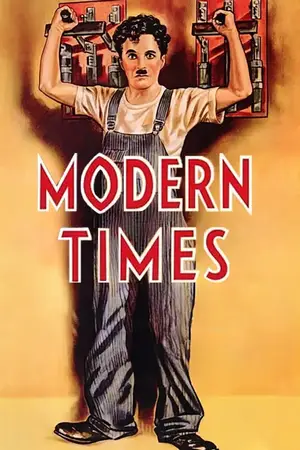
Modern Times (1936)
J John_Q_tionJune 12, 2024
It feels like two films pieced together. The first half of the narrative on factory work is well done, serving as a satire on the conflict between machinery and labor in early industrialization. The latter half seems like a poor attempt to extend the duration of the film, with the overall rhythm, atmosphere, and even character personalities changing drastically.
Modern Times (1936)
T THE-Pedro5June 12, 2024
Considered Chaplin's last silent film, he once again wrote, directed, acted, and even composed the music. This film is universally recognized as his masterpiece. Many scenes are frequently referenced, especially the assembly line sequence, representing the extreme constraints industrialization and capitalism placed on humans. Chaplin likely endured significant hardships during filming, given the filming conditions of that time. Some scenes look painful to perform.

It Happened One Night (1934)
C Caitlin_ByrdJune 12, 2024
This immensely successful classic wasn't always seen that way by its leads. Ordered to make what was expected to be a flop, both Claudette Colbert and Clark Gable were dissatisfied with the script, with Colbert about to leave for Europe and Gable being punished for refusing his studio's script. Who could have guessed their performance under tight schedule would sweep the Oscars and become a timeless classic?