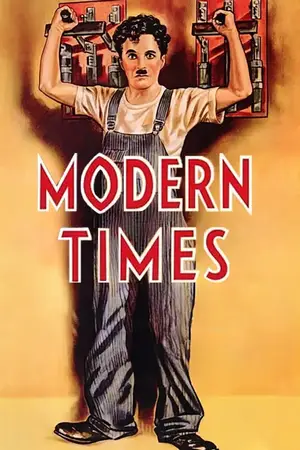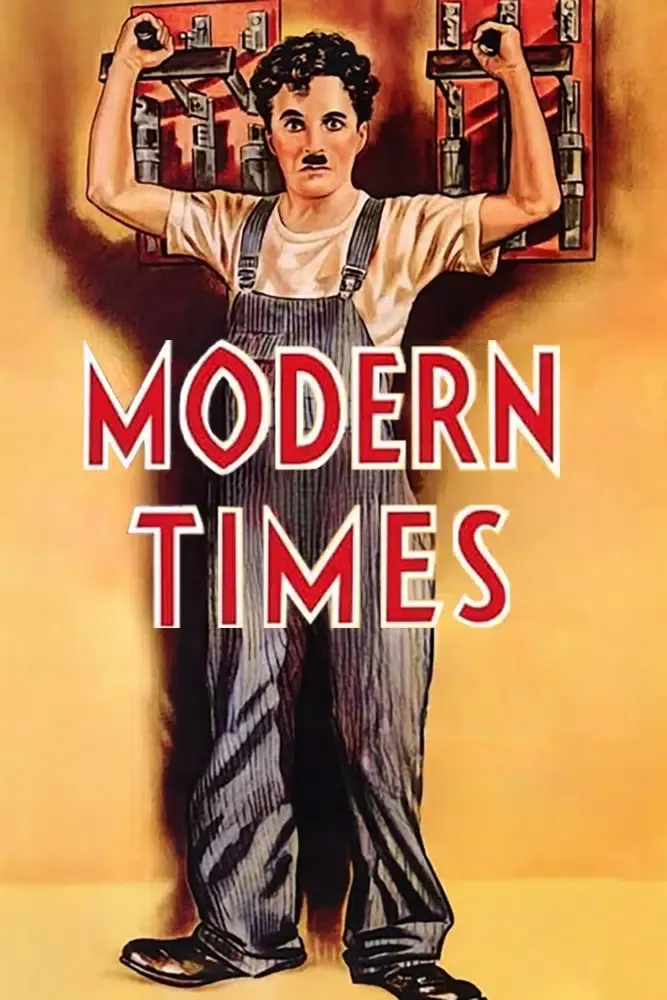
Modern Times (1936)★ 8.5/10
- Comedy
- Drama
- Romance
Directed by: Charles Chaplin
Written by: Charles Chaplin
The Tramp struggles to live in modern industrial society with the help of a young homeless woman.
Articles about this
See all (24) ›
Modern Times then, old struggles now
A
Allen VelasquezJanuary 11, 2025
0
Iconic and Timeless: How Charles Chaplin Revolutionized the Film Industry and Captivated Audiences Worldwide
M
Movie EnthusiastMarch 24, 2023
0
Un Rey en Nueva York. Chaplin le habla al siglo XXI.
G
Guiño GuiñoSeptember 27, 2026
1
MOSCAS: ya eliminaron a México del Mundial, apoyemos al cine mexicano.
F
Federico Minchaca SanjuanJuly 8, 2026
0
La Elegancia del Desastre: Por qué "El Vagabundo" es el único aristócrata de la miseria
E
Estefanía Eord
eeordoghJanuary 10, 2026
5
Las Viñas de la Ira: la película que le puso rostro y voz a la Generación Silenciada
C
Carlos Eduardo Cardona RodríguezNovember 8, 2025
0Cast & crew
See all › Charles ChaplinA Factory Worker
 Paulette GoddardA Gamin
 Henry BergmanCafe Proprietor
 Tiny SandfordBig Bill
 Chester ConklinMechanic
 Hank MannBurglar
 Stanley BlystoneGamin's Father
 Al Ernest GarciaPresident of the Electro Steel Corp.
 Richard AlexanderPrison Cellmate
 Cecil ReynoldsMinister
 Mira McKinneyMinister's Wife
 Murdock MacQuarrieJ. Widdecombe Billows
Videos
See all ›


Reviews
J John_Q_tionJune 12, 2024
It feels like two films pieced together. The first half of the narrative on factory work is well done, serving as a satire on the conflict between machinery and labor in early industrialization. The latter half seems like a poor attempt to extend the duration of the film, with the overall rhythm, atmosphere, and even character personalities changing drastically.
T THE-Pedro5June 12, 2024
Considered Chaplin's last silent film, he once again wrote, directed, acted, and even composed the music. This film is universally recognized as his masterpiece. Many scenes are frequently referenced, especially the assembly line sequence, representing the extreme constraints industrialization and capitalism placed on humans. Chaplin likely endured significant hardships during filming, given the filming conditions of that time. Some scenes look painful to perform.
K KIM_HARRISMarch 3, 2024
Buster Keaton crafted his films with obstacles, intricate contraptions, and concepts, whereas Charlie Chaplin made his with simplicity, clumsiness, kindness, and being accident-prone. Keaton's intricate designs and ideas dazzle the audience, while Chaplin makes the audience laugh, reflect, and touched. In Chaplin's films, despite enduring economic hardship and other setbacks, the lower class always maintains unwavering optimism in the face of such challenges with hope.
E Elijahfes07March 3, 2024
The underdogs of the times are both pitiful and tragic. Through his exaggerated performance, Charlie Chaplin reveals the unbearable hardships of the lower class during that time, allowing audiences to see the harsh reality through comedy, yet leaving viewers with hope as the main characters walk into the distance with smiles on their faces at the end. This film is truly an excellent work even a century later, be it the performance or the key ideas conveyed.
C carolina1seMarch 3, 2024
This film marks Charlie Chaplin's first foray into sound film, where he makes an effort to incorporate as much dialogue as possible, delving into the concept of “sound". However, "sound" appears to clash with Chaplin's iconic "Tramp" character, given his insistence on maintaining the character's silent nature. Conversely, the sound is uniquely presented through the contrast between the noises of the machinery and the oppression experienced by people silently, aligning seamlessly with the movie's symbolic theme.
J JeesezFebruary 14, 2023
Modern Times
The superiority of Chaplin's comedy is that it does not satirize the underprivileged but always stands on the side of the weak. By contrast, today's filmmakers are not just full of money but full of stench.
A Alyss1023September 7, 2024
Buster Keaton elaborou seus filmes com obstáculos, engenhocas intrincadas e conceitos, enquanto Charlie Chaplin fez seus filmes com simplicidade, falta de jeito, gentileza e tendência a acidentes. Os intrincados designs e ideias de Keaton deslumbram o público, enquanto Chaplin faz o público rir, refletir e se emocionar. Nos filmes de Chaplin, apesar das dificuldades econômicas persistentes e de outros contratempos, a classe baixa mantém sempre um otimismo inabalável diante de tais desafios com esperança.
I incurawSeptember 7, 2024
Os oprimidos da época são ao mesmo tempo lamentáveis e trágicos. Através de sua atuação exagerada, Charlie Chaplin revela as dificuldades insuportáveis da classe baixa naquela época, permitindo que o público veja a dura realidade por meio da comédia, mas deixando os espectadores com esperança enquanto os personagens principais se distanciam com sorrisos no rosto no final. Este filme é realmente um excelente trabalho mesmo após um século, seja pela atuação ou pelas ideias transmitidas.
D Davi-1September 7, 2024
Este filme marca a primeira incursão de Charlie Chaplin no cinema sonoro, onde ele se esforça para incorporar o máximo de diálogos possíveis, aprofundando-se no conceito de “som”. No entanto, o “som” parece entrar em conflito com o icônico personagem “Vagabundo” de Chaplin, dada a sua insistência em manter a natureza silenciosa do personagem. Por outro lado, o som é apresentado de forma única através do contraste entre os ruídos das máquinas e a opressão vivida em silêncio pelas pessoas, alinhando-se perfeitamente com o tema simbólico do filme.
H hayandy_September 7, 2024
Buster Keaton hizo sus películas con obstáculos, artilugios complejos y conceptos, mientras que Charlie Chaplin las hizo con simpleza, torpeza, amabilidad y propensa a los accidentes. Los diseños y las ideas complejas de Keaton encandilan a los espectadores, mientras que Chapin los hace reír, reflexionar y los conmueve. En las películas de Chaplin, la clase baja suele enfrentarse con dificultades económicas y de otros tipos, pero aún así siempre mantienen un optimismo y una esperanza inquebrantable.
J JoseSeptember 7, 2024
Los desamparados dan pena y son trágicos. A través de su actuación exagerada, Charlie Chaplin revela las dificultades insuperables de la clase baja de ese tiempo y permite que los espectadores vean la dura realidad por medio de la comedia. También nos deja con esperanza cuando al final vemos a los personajes principales caminar a la distancia con una sonrisa. Aunque pasó un siglo, esta película sigue siendo un trabajo excelente, ya sea por las actuaciones o las ideas principales que transmite.
C canoekbSeptember 7, 2024
Esta es la primera incursión de Charlie Chaplin en el cine sonoro y se nota que se esforzó en incorporar la mayor cantidad de diálogo posible. Se adentra en el concepto del "sonido", pero choca con el personaje icónico de Chaplin, "Tramp" porque su naturaleza es silenciosa. El sonido se presenta únicamente por medio del contraste entre los sonidos de las máquinas y la opresión silenciosa de las personas. Esto se alinea a la perfección con el tema simbólico de la película.