Reviews

Cleo from 5 to 7 (1962)
V Vicente_WashingtonJune 12, 2024
Varda is delicate enough. She precisely portrays how a sad, fearful, and almost collapsing woman comes to know herself. She frequently uses jump cuts to show Cléo's transformation—from a star to a commoner.

Breakfast at Tiffany's (1961)
D dulysqJune 12, 2024
It's been a long time since I've seen such an unadulterated romantic film. The story is not tightly woven, but that's what makes it so enjoyable. The male lead is perfect for the role in both appearance and personality. His suits, one after another, are not inferior to Hepburn's colorful outfits. Many of the witty lines and jokes are probably from the original book. By the way, Orangey the cat probably "acted" better than the human characters.
Psycho (1960)
D dÉbora5June 12, 2024
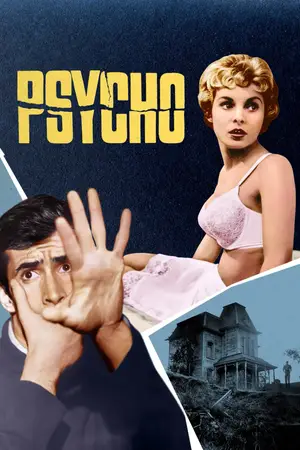
Atmosphere crafting, thrilling music, and split personalities—almost all of these elements were pioneered by this black-and-white film from 1960, influencing nearly all horror movies for the next 50-plus years. The unique shooting techniques, camera cuts, excellent background music, and the terrifying smile at the end all firmly established Hitchcock's status as a master.
Psycho (1960)
D Dalye-criticJune 12, 2024
The pioneer of psychological films. The so-called classic lies in its originality. The 48-second shower scene with 78 cuts is indeed a textbook example of cinematography. Additionally, the use of medium-long lenses for creating a sense of oppression and suspense, as well as parallel montage narrative techniques, has provided great inspiration for future filmmakers.

Rio Bravo (1959)
M MINMIN-ParisJune 12, 2024
For the first time, I understood Hawks' terrifying control over the atmosphere of a movie: making sound an awkward intruder, handling the opening provocation like a silent film, and using exaggerated actions and performances to enshroud the charaters with mystery. Then, introducing the main task, through steady mid-shots and sequences, gradually bringing the focus back to the characters.
Rio Bravo (1959)
E Elijahfes07June 12, 2024
If you enjoy movies like "Warrior" or "Hell or High Water" that intentionally withhold a lot of background information and fill it in throughout the narrative, then this one is for you. Wayne is still the usual lone hero, and the positive characters around him are so well fleshed out. Whether in terms of their personality or their role in the story, they all shine. The downside is the somewhat slow pace.
Some Like It Hot (1959)
B Blitheee202June 12, 2024
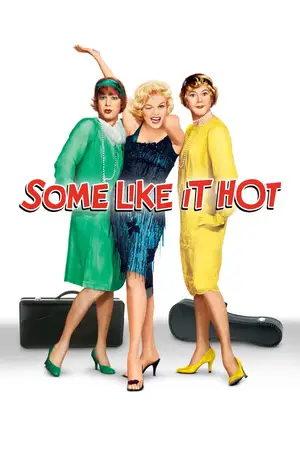
This is an indisputable classic comedy. Billy Wilder integrates gangster revenge and gender swapping into a traditional romantic comedy, making the film full of tension and humor, while also reflecting on social issues through a satirical approach. Marilyn Monroe embodies both innocence and seduction, showcasing her most vivid acting and sexiest presence. This film is close to perfection!
Some Like It Hot (1959)
A Ayla_CortezJune 12, 2024
"Nobody's perfect" is such an iconic line. If this movie were shot in color, Monroe would be even more beautiful. The Prohibition and the Great Depression eras set the stage for this story. Poverty, fleeing, and dreaming of being rich—even men think this way sometimes, and that's where the comedy and gags come from—through the swap of gender and identity.
Vertigo (1959)
D Drew_OrtizJune 12, 2024
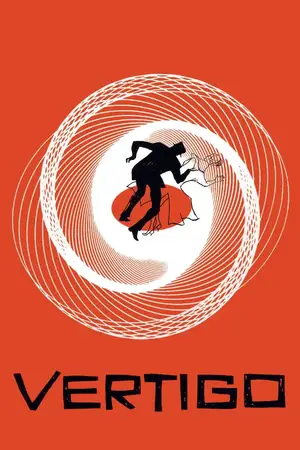
Hailed as the legendary third greatest film in history, "Vertigo" features five masterful uses of reverse zoom. Hitchcock’s suspenseful narrative is ingeniously crafted, with a pivotal twist halfway through that redefines the preceding events and creates new suspense. This film would be a favorite for every psychoanalysts.
Vertigo (1959)
W Willa_WallsJune 12, 2024
The film’s most iconic shot combines zoom and dolly techniques to induce the feeling of motion sickness, mirroring the protagonist’s acrophobia. Hitchcock achieved this by side-mounting the staircase model and moving the camera towards it while adjusting the zoom lens, keeping the model’s size constant on screen.

North by Northwest (1959)
C Celia_CunninghamJune 12, 2024
Hitchcock layers mystery upon mystery, leading the audience through a maze of intrigue. From the encounter with a blonde on the train to the escape at the auction, from the blanks to the fight on Mount Rushmore, as well as the iconic crop duster biplane chase scene, are all classic despite the plot's strained logic.
North by Northwest (1959)
T Trevor_KelleyJune 12, 2024
Perhaps my expectations were too high, but this renowned Hitchcock film gave me my worst viewing experience this year. The script is riddled with logical flaws, irrational character behavior, and laughably slipshod details, making it rather unenjoyable. Despite Hitchcock’s skilled directing and editing, the film still feels overrated to me.

Paths of Glory (1957)
T Terry_WallsJune 12, 2024
"Paths of Glory" reveals that the cruelest part of war isn't about the life-endangering bullets and bombs, but in the deceit and manipulation behind the scenes. Patriotism becomes an excuse for the ruthless acts done by ostensibly noble generals. The haunting scene of the the French soldiers' quiet singalong to the German singer onstage brings the last bit of warmth to the tragic conclusion.
12 Angry Men (1957)
H HÉ-L-DERJune 12, 2024
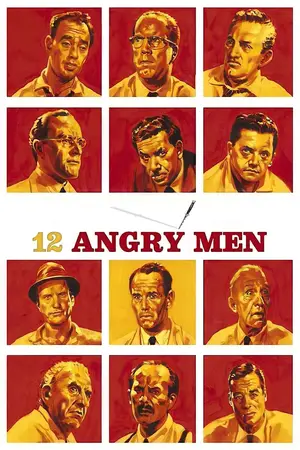
The American jury system exemplifies the coexistence of democracy and elitism, based on the Kantian belief in human rationality. The film is a masterwork, with a lively narrative and powerful performances.
12 Angry Men (1957)
C Cantinho do DoramaJune 12, 2024
Sidney Lumet’s feature debut uses progressively longer focal lengths to create an increasingly claustrophobic atmosphere. The first-third of the film shots are from above eye level, before slowly transitioning to eye level, and eventually to below eye level by the back half, thereby enhancing the characters’ importance and authority while drawing the audience into their perspectives.

The Bridge on the River Kwai (1957)
C Carrie_RobertsJune 12, 2024
Despite its length, the film’s structure is impeccable and remains an outstanding work. The subtitles and music reflect the style of cinema then. Without obvious protagonists or antagonists, the diverse personalities of the three soldiers offer a nuanced anti-war message, balancing depth and artistic appeal.
The Bridge on the River Kwai (1957)
S Shawn_ParkerJune 12, 2024
The first of David Lean's "epic trilogy" is a restrained narrative with a slow pace that culminates in an unforgettable climax. The vivid character portrayals embody the quintessential British, American, and Japanese traits. The film begins and ends with shots of birds, seemingly mocking the folly of mankind.

The Searchers (1956)
A Adrian_PorterJune 12, 2024
A masterful audiovisual symphony, it’s a profound and lyrical western. The film excels in cinematography, music, composition, pacing, and staging. Scenes like river crossings, cave battles with Native Americans, and the dual shots of the cave entrance (symbolizing the dichotomy between civilization and savagery) stand out. The recurring shots of the door frame that bookend the film effectively separate the outside world from the indoors.
The Searchers (1956)
V Vicente_WardJune 12, 2024
Set after the Civil War, the film depicts the perspective of the Southern white man, mocking the North and viewing Native Americans as savage, though it also acknowledges cultural assimilation through trade. The solitary Ethan and half-Indian Martin navigate the classic rugged landscapes while also facing the iconic standoffs. Though from a white man's viewpoint, the film does show an awareness of shared humanity.

On the Waterfront (1954)
B Boyd_LeeJune 12, 2024
The editing is somewhat clumsy, making the film feel unnecessarily draggy. Clumsy dialogue undermines Brando’s character appeal, while no clear reason was given for the character's changing morals, and the climactic rebellion at the end lacks impact. Other characters are rather stereotypical, and the film's overt ideological undertones, especially during the priest's politically charged sermons, feel heavy-handed.