Reviews
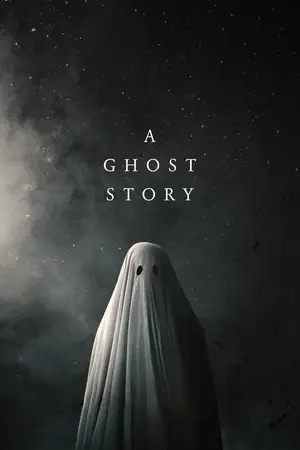
A Ghost Story (2017)
A Alphonso_DyerFebruary 13, 2025
This is a truly unique film—minimal dialogue, with an emphasis on cinematography, performance, and score. Unlike conventional narratives, it relies heavily on camera movement, atmospheric music, and the actors' ability to convey emotion. The biggest drawback is its slow pace and abundance of long takes, yet the film's immersive tone pulled me in completely. Its visual composition is stunningly refined.

Beginners (2010)
D Dan_PughFebruary 13, 2025
The film is tender, understated, and deeply moving. I love how it pieces together seemingly trivial fragments of life, forming a cohesive meditation on love and existence. How we navigate relationships and life itself is a question that lingers, and ultimately, our happiness depends on ourselves. Christopher Plummer delivers a flawless performance, while Ewan McGregor remains as compelling as ever.

Blow Out (1981)
A Avery_PrattFebruary 13, 2025
One glaring issue is the unbalanced screen time among the actors. At one point, the narrative leans too heavily on Nancy Allen’s character, affecting the audience’s perception of the unfolding events. Later, the focus abruptly shifts to John Lithgow’s villain, who initially seemed like a mere tool within the political conspiracy. His character is poorly fleshed out—despite orders to abort his mission, he remains unwavering in his psychotic determination. His portrayal leans so heavily into insanity that it becomes difficult to discern his true motivations.
Blow Out (1981)
R Ricardo_JonesFebruary 13, 2025
The film builds on conspiracy and political assassination, drawing intrigue from its resemblance to the Chappaquiddick incident that shaped Kennedy’s fate. While this premise is undeniably provocative, the real flaw lies in Brian De Palma’s execution. As the sole screenwriter, he crafts a narrative that feels sluggish and riddled with logical inconsistencies. The pacing drags, making the plot unnecessarily convoluted, and there’s a striking lack of unexpected twists—an unforgivable shortcoming for a thriller of this nature.

Titane (2021)
B Bridget_SchaeferFebruary 13, 2025
The film is steeped in the theme of self-rejection, disdain, and internalized struggle with the female identity, yet it never offers a way out of this paradox. The protagonist's sense of self is disjointed, her character premise borderline grotesque, and the film itself feels devoid of any real depth—yet it somehow won the Palme d'Or? If feminism simply means promoting strength, aggressiveness, and a rejection of motherhood and femininity, then this is little more than faux feminism.

Maborosi (1995)
L Leon_OrrFebruary 13, 2025
Revisiting Hirokazu Kore-eda’s debut after so many years, I’m surprised by how deeply it still moves me—perhaps even more than his later works. With an unassuming touch, he captures the quiet sorrow hidden beneath the surface of an "ideal" life. Beneath societal norms and domestic tranquility lies an aching, existential solitude.

La Notte (1961)
J JulioJulioFebruary 13, 2025
The second installment in Antonioni’s "modern love" trilogy, once again exploring themes of alienation and emotional emptiness. While its narrative is less compelling, the film flows like poetry—unlike L'Avventura, it never feels tedious. Jeanne Moreau and Marcello Mastroianni form perhaps the most impressive cast in Antonioni’s works, while the jazz-infused soundtrack adds to its melancholic elegance.

L'Avventura (1960)
I Ian_FossFebruary 13, 2025
Claudia is brilliantly written—always the third party, yet forced to witness every intimate moment between lovers, even when she clearly wants to leave. She doesn’t get pushed away; she chooses to escape, leaving behind one love triangle after another.
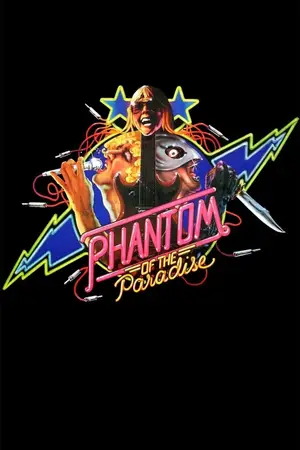
Phantom of the Paradise (1974)
B Blake_MeyerFebruary 13, 2025
A reimagining of The Phantom of the Opera, the film is a biting satire of greed and ambition, blending 1920s German Expressionism, 1930s horror, 1950s theatrical staging, and 1970s mass media aesthetics. Despite its B-movie sensibilities, the film showcases impressive long takes, split-screen compositions, and expressionism-style backgrounds. The original soundtrack is equally striking.

Three Colors: White (1994)
S Spencer_DoughertyFebruary 13, 2025
A story of revenge and redemption, where the pursuit of equality is revealed to be an illusion. With his signature dark humor, Krzysztof Kieślowski reminds us that the so-called "equality" is built on a foundation of conditions—love between spouses, for instance, is often dictated by wealth and physicality. When Karol loses his homeland and his means of survival, he is stripped of both his masculinity and his right to stand on equal footing with Dominique.

You're Cordially Invited (2025)
A Alissa_FryFebruary 13, 2025
It’s been a while since I’ve seen a comedy this old-school. The film rigidly follows a formula—first a serious moment, then a joke, then another serious moment, then absolute absurdity—without needing smooth transitions. And of course, it wraps up with a feel-good moral lesson. In the past, I might have dismissed this as a bad movie, but seeing Will Ferrell and Reese Witherspoon still making films like this now? It actually feels nostalgic.

Mother (2010)
T ThemoviefanFebruary 13, 2025
The film employs a brilliant perspective, gradually unraveling the horrors of child abuse through the lens of a seemingly bright and innocent girl. Mana Ashida delivers a deeply empathetic performance—keenly observant and heartbreakingly meticulous, appeasement is her survival instinct. The contrast between her tragic circumstances and her resilient demeanor is devastatingly moving.

Inside Llewyn Davis (2013)
S Santiago_McintoshFebruary 13, 2025
The soft lighting makes everyone in the film look beautiful, yet Llewyn lets go of three cats, two children, a woman, and ultimately, even his last shred of ambition. He’s a failure stuck in an endless cycle, yet his persistence is heartbreaking. Everyone has their moments of defeat, don’t they? The music is stunning and immersive, though the film feels like it’s missing something that can truly tug on the heartstrings. A solid 8/10.
Synecdoche, New York (2008)
A Amy_SaundersFebruary 13, 2025
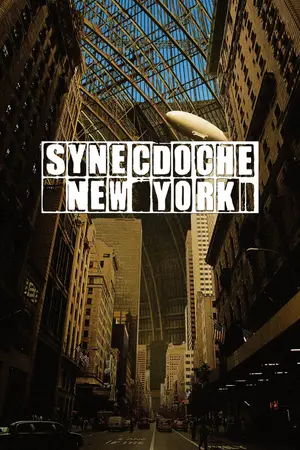
Most viewers focus on Charlie Kaufman’s sharp and intricate exploration of time, consciousness, death, and existentialism. There's no denying his genius—even if audiences struggle to decipher his work and find this film obscure, they can’t help but recognize its brilliance.
Columbus (2017)
A Arline_HarperFebruary 13, 2025
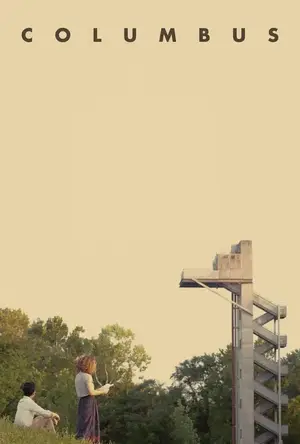
Architecture plays a crucial role in shaping the film’s mood and emotional depth. The film employs symmetrical framings to create striking compositions, while thematically, architecture serves as a reflection of the characters’ backgrounds and circumstances. The integration of space and its characters generates a uniquely immersive atmosphere.

Leto (2018)
A Arvilla_WheelerFebruary 13, 2025
A talented director always finds a unique way to tell a story, often making the method of storytelling just as important as the story itself. "Leto" stands out for its rhythm, atmosphere, and musical sensibility. The director’s efforts pays off, and certain sequences are truly mesmerizing.

The Salt of Tears (2020)
L Lincoln_McintoshFebruary 13, 2025
The film's most controversial aspect lies in whether its narrative aligns with any meaningful social value. When every element—including female characters—merely serves as a tool for chronicling a man’s toxic journey of self-discovery, the storytelling itself becomes questionable. Worse still, the execution feels clumsy and unpolished.

Hotel by the River (2018)
A Alex_CalhounFebruary 13, 2025
The film features three distinct moments where sound and image diverge. The first two occur during the poet’s conversations with his sons, juxtaposing his solitary walks outside with their dialogue. The third instance unfolds as he recites poetry, with the visuals depicting a boy and a gas station at night—perhaps a projection of his emotions. We gather information from the dialogue, but we experience the film through its imagery. When viewed in connection with the earlier sequences, the boy in the third scene could be seen as a manifestation of the poet’s emotions.

Benedetta (2021)
A Armand_FlemingFebruary 13, 2025
The brilliance of this film lies in how different viewers can walk away with entirely different interpretations, even experiencing vastly different emotions. Atheists may see Benedetta as a fraud who fabricates miracles, reinforcing the idea that religion itself is a power structure built on faith as a tool of control. Conversely, believers may find the film deeply irreverent, an outright provocation against their faith. Regardless of perspective, it remains an audacious work that dares to challenge numerous taboos.
Queenpins (2021)
C Corey_NelsonFebruary 13, 2025
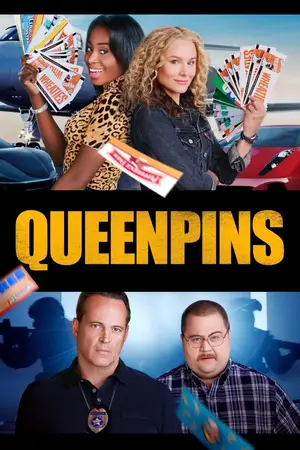
Based on a true case of fraud in American history, the film finds its most engaging moments in depicting how working-class people rely on coupons to save money while large corporations outsource and cut costs at every level. However, the cautionary aspect of this particular crime is largely glossed over, leaving little room for deeper reflection.