Reviews

The Birds (1963)
C Corey_HamiltonJune 12, 2024
It doesn't rely on storytelling but instead on oppressive composition and atmosphere.Like "Psycho," it sets a narrative turning point, shifting from a comedy to a thriller and even a horror film. The story doesn't resolve the crisis at the end, instead it leaves the birds' aggression unexplained, leaving it to the viewer's imagination. The creativity and execution prove Hitchcock's undisputed mastery of cinema.
The Birds (1963)
M mateus@5304June 12, 2024
This is the worst Hitchcock film I've seen, lacking the eerie and suspenseful romance of his other works. The entire movie is dull, with no standout moments, and even the bird special effects are awkward. Tippi Hedren is the only saving grace for this film, she is so stunning and elegant that she completely captivated my attention.

Lolita (1962)
A Adeline_HaynesJune 12, 2024
The original novel makes it clear how suffocating Humbert's control is, and how despicable his methods and thoughts are. Is this real love? What I see is just a tragic and mutually torturous perversion.
Lolita (1962)
A Arvilla_MilesJune 12, 2024
This film is entirely presented from the perspective of the male protagonist, Humbert. The depiction of female characters and the interpretation of their actions are filtered through his gaze, a classic example of early male-centric storytelling. The plot intertwines themes of crossing significant age gaps, Oedipal hatred, and incestuous romance. Humbert's reprehensible actions are portrayed with a veneer of humility, and the film uses exquisite cinematography to cloak these actions in the guise of love. While the film's craftsmanship is undeniably impressive, most viewers find it challenging to set aside societal morals and appreciate it solely as a piece of cinematic art.

Pulp Fiction (1994)
V vvvVítoJune 12, 2024
Tarantino is right; the absurdity, plot twists, extensive dialogue, non-linear storytelling, and constant puzzle-solving are staples in crime novels. However, due to the high cost of filmmaking, the need for multiple script approvals, and the balance of risk and reward, most films end up choosing safer, more familiar narratives. Tarantino's success with this film has expanded investors' understanding of what audiences can accept, pushing the boundaries of conventional storytelling.
Pulp Fiction (1994)
A ABRAHAn@30June 12, 2024
Quentin Tarantino uses the most visceral and extreme artistic methods to portray sin in "Pulp Fiction." Every character is deeply flawed, indulging in drugs, promiscuity, and murder, making the audience shocked and making them reflect. The intricate narrative, combined with outstanding dialogue and performances, elevates vulgarity to a form of cinematic art.
Jurassic Park (1993)
B Betsy_GarberJune 12, 2024
This film takes me back to my childhood, reminding me of how fascinated I was with dinosaurs. Despite being an old movie, its ideas are timeless, showing nature's punishment for humanity's recklessness. The lack of modern CGI meant relying heavily on acting, which is exceptional here. Dialogue also plays a heavier part here than technology. The dinaosaur models used in the film are incredibly detailed, rivaling any CGI.
Jurassic Park (1993)
H Harold_ZamoraJune 12, 2024
Steven Spielberg made dinosaurs the monsters of everyone's imagination and sparked a worldwide dinosaur craze. The film represented the pinnacle of industrial standards at the time, using animatronics like the 6.1-meter animatronic T-Rex, masterful use of camera angles, and CGI to create a stunning feast for the eyes. The indoor chase sequence at the end is particularly well-handled. The film successfully blends visual spectacles, scientific spirit, and humanistic care.
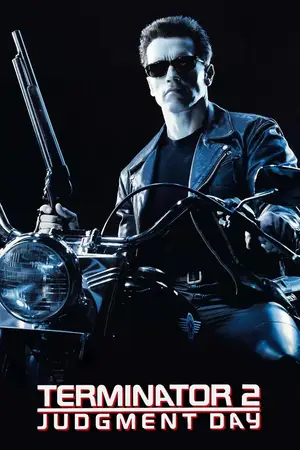
Terminator 2: Judgment Day (1991)
R rAldridgelaJune 12, 2024
This film doesn't feel like it was made about three decades ago. If the first movie was a high-quality commercial film, this sequel is truly groundbreaking. Cameron demonstrates with textbook precision what excellent pacing and editing look like. The visual effects surpass that of the first film, and the plot is still as engaging, if not even moreso. In fact, 80% of modern Hollywood blockbusters still can't achieve this level of excellence.
Terminator 2: Judgment Day (1991)
H haila5June 12, 2024
It's hard to imagine anyone toppling James Cameron from his throne as the king of blockbuster films. The action sequences, storytelling, visual effects, and atmosphere are all extraordinarily crafted. The elements are perfectly balanced, making this film a masterpiece and a benchmark for popcorn movies. It's astonishing even today; it's unimaginable what audiences in the '90s must have felt walking out of the theater after watching it for the first time.

To Kill a Mockingbird (1962)
B Bobbie_GillJune 12, 2024
It's well made, recommended for those interested in racial issues in the Southern parts of America during the 1920s and 1930s. I personally read the novel first, so I didn’t find it boring. Both the film and the novel portray the characters through dual perspectives. The main line is from Scout’s childhood view, laying out the character framework and opening the film. The secondary line is through Atticus, a father's perspective on the unjust treatment of black people and the flaws in the judicial jury system.
To Kill a Mockingbird (1962)
A Alphonse_CaldwellJune 12, 2024
The intertwining of two storylines is too forced. Both the mysterious effects and suspense building fail miserably. From a purely child’s perspective, looking at equality through the eyes of innocence would reveal the significance much better. Finally, old films with their slow-pacing, black-and-white style, and children actors do feel kinda eerie.

What Ever Happened to Baby Jane? (1962)
C Cameron_MayJune 12, 2024
The film uses the concept of psychoanalysis to structure its characters. The frustration of status disparity and ego due to lack of education fuel some of the charcters.
What Ever Happened to Baby Jane? (1962)
C Caitlyn_JacobsJune 12, 2024
A horror story with psychoanalysis elements. Clean and sharp lighting, eerie and unsettling music, Bette Davis' terrifying makeup, bold camera movements, and parallel editing together create a demonic classic. Although the plot is somewhat redundant, the detailed presentation of the car accident scene lays a strong foundation for the subsequent events. The ending with the dances on the beach under the public's gaze, is unforgettable.
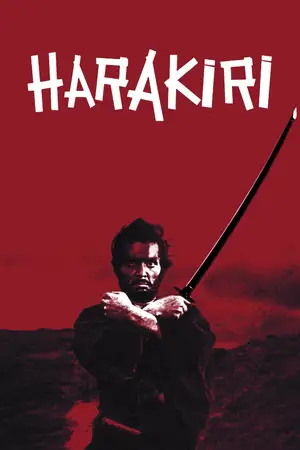
Harakiri (1962)
A Alayna_NielsenJune 12, 2024
A horror story with psychoanalysis elements. Clean and sharp lighting, eerie and unsettling music, Bette Davis' terrifying makeup, bold camera movements, and parallel editing together create a demonic classic. Although the plot is somewhat redundant, the detailed presentation of the car accident scene lays a strong foundation for the subsequent events. The ending with the dances on the beach under the public's gaze, is unforgettable.
Harakiri (1962)
G Gerald_ElliottJune 12, 2024
"Harakiri" is exceptionally sharp overall. The first part spends a lot of time building and accumulating the "Bushido" spirit, which is then completely unleashed in the end, culminating into a desperate slaughter. Yet, at the last moment, it precisely pierces the core of this spirit. Visually, the composition and extensive use of crossing-the-line shots cleverly construct the deep relationship between characters and buildings, and Bushido itself. Masaki Kobayashi successfully condenses countless "sets" under "space" into a combination of ritualistic shots, emitting an artistic conception far beyond the environment itself.
Harakiri (1962)
A Abbey_FischerJune 12, 2024
A classic among classics and a masterpiece of samurai films. It deeply analyzes the state and essence of the samurai class, bringing a great deal of sadness. Setting aside the context of Bushido, the film reflects on a grand philosophy. Regardless of the political or administrative significance, some so-called "morals" used to bind people are a manifestation of contradictions. While trying to adhere to them, can one know how to choose when "morals" clash with certain real life choices and humanity?

Lawrence of Arabia (1962)
D Dennis_FaulknerJune 12, 2024
Watching it made me realize how fake many historical epics are, where female characters often serve only as transitional points or unreliable legends, creating an imaginary world that is far from reality.
Lawrence of Arabia (1962)
A Aubrey_MccallJune 12, 2024
It's an impressive film, using an accidental death to reflect on the protagonist's controversial life. It immediately overturns the legitimacy of the war depicted in the entire film. Although this film is over three hours long, the character development is too simple, leaving much to the audience's imagination.

La Jetée (1962)
A Andrew_WardJune 12, 2024
I really like the cinematography of this film—steady yet lively and focused. Varda's representative work when she was 34 years old. From a delicate female perspective, it depicts some authentic sides of humanity. In the end, the audience realizes with her that freedom comes from the reality of life, stripped of symbolic meanings. The short film "On the Bridge" within the film also vividly carries philosophical meaning.