Reviews
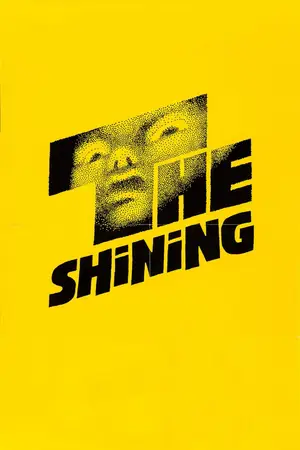
The Shining (1980)
K Kyle_SchaeferJune 12, 2024
This is a capable horror film to say the least, but I personally do not feel that it's particularly compelling. Overall, it felt lengthy and dull. The predictability of the plot was evident, but certain parts of the film, like the mysterious flood, the axe behind the door, and the frenzied performance are indeed memorable.
The Shining (1980)
G Garrett_SuarezJune 12, 2024
This film is a classic depiction of anxiety in modern society, encapsulated in the phrase "All work and no play makes Jack a dull boy." Jack, a good man overwhelmed by his responsibilities, becomes obsessed with proving himself through his writing, which eventually drives him mad. His inability to acknowledge his limitations leads him to blame his family, seeing them as burdens. With the opportunities to become what the society deems as worthy and successfull, anxiety and self-identity issues can sometimes lurks around the corner as well.
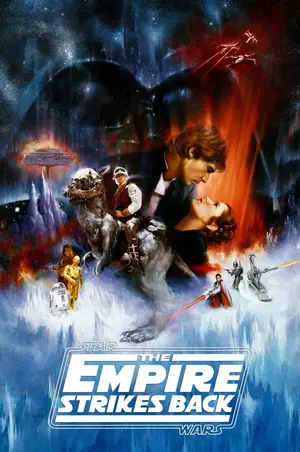
Star Wars: Episode V - The Empire Strikes Back (1980)
D Darnell_WilcoxJune 12, 2024
Compared to the first installment in the original trilogy, the second film maintained a similar technical and narrative rhythm, providing a sense of continuity. I now understand why the Star Wars trilogy was not remade but rather given prequels, as no one could surpass George Lucas. This film is far superior to the first, with better VFX and a gradual shift from being purely entertaining to conveying deeper life themes.
Star Wars: Episode V - The Empire Strikes Back (1980)
A Alon_RodgersJune 12, 2024
Though imaginative, this type of film is essentially a palace intrigue drama wrapped in a shiny sci-fi exterior. The lightsaber duels are indeed classic, though the lack of professional martial arts guidance at the time made the action scenes somewhat awkward.
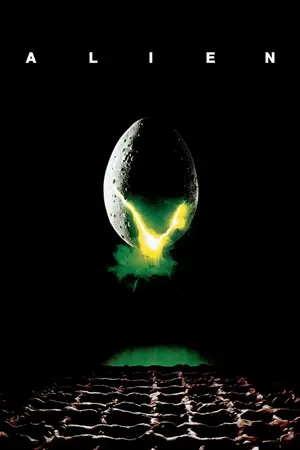
Alien (1979)
C Cassidy_VasquezJune 12, 2024
The brilliance of "Alien" lies in its grand and mysterious world-building. Before this film, no horror film featuring monstrous creatures had ever been presented on such a grand scale. The atmosphere and suspense starkly contrast Hollywood's then action and intense direct confrontations. The mysterious, veiled depiction of the monster just elevates the terror to unprecedented heights.
Alien (1979)
I Isaac_HoodJune 12, 2024
This horror classic, set against the backdrop of the Cold War era, evokes a intense sense of claustrophobia through its outer space setting. The alien kills purely for survival, while the crew harbors ulterior motives, making human nature the true horror.
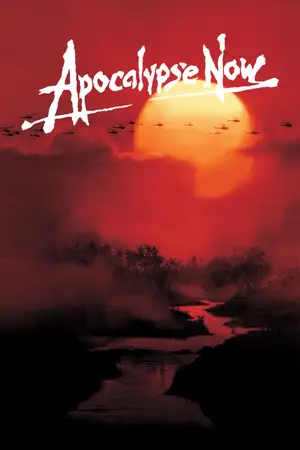
Apocalypse Now (1979)
N NUNO-99June 12, 2024
I caution against watching it because it will make you question human civilization and the world’s meaning. Without enough philosophical insight, understanding this film and its themes is exhausting. Coppola’s intense pessimism permeates the film. While the message is not hard to grasp, it leaves a deep discomfort due to its terrifying didacticism. Yet, from another angle, it is undeniably a masterpiece.
Apocalypse Now (1979)
V vvvVítoJune 12, 2024
I completely agree with Roger Ebert's view: modern civilization is a fragile structure perched above nature’s ravenous maw, ready to be devoured at any moment. A happy life in the face of this fragility is merely a daily reprieve. Rather than depicting war, it reveals truths we’d rather not see.
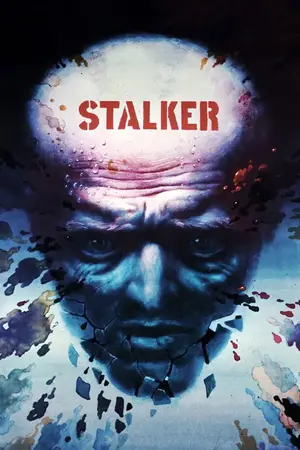
Stalker (1979)
B Bella_StarkJune 12, 2024
This film is essential for understanding Tarkovsky’s work. He created a "room" with his films where hope resides, fulfilling everyone’s yearning for happiness. You may believe it or not, but this faith has the same basis and mechanism as all political ideologies of the 20th century. Tarkovsky once considered a sequel where the stalker forces non-believers into the “room”. Such faith is beautiful yet dangerous.
Stalker (1979)
C Cayla_HartmanJune 12, 2024
Tarkovsky's "Stalker" is a film with metaphysical themes. The telekinetically moved glass at the end is the key to everything. Tarkovsky expresses his unwavering faith in humanity, calling love the miracle of this world. Yet, what makes this film a timeless classic is its execution at the technical level.
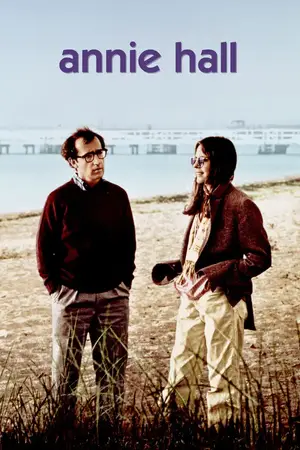
Annie Hall (1977)
A Alfreda_RobersonJune 12, 2024
A lovely film offering a detailed dissection of a failed romance with flowing dialogue that is cleverly designed. I love every line in the film, some of which are deep, some humorous, some ironic. The mixed and varied styles blend together perfectly. The final montage feels like a distant memory, evoking an indescribable sadness.
Annie Hall (1977)
K Ken_HowellJune 12, 2024
A heartbreaking love story and possibly Woody Allen’s best work, with highly experimental techniques like split screens and homages to Bergman’s overlay technique. Still, the most memorable aspect remains the breaking of the fourth wall through witty black humor and a quasi-autobiographical format.

Close Encounters of the Third Kind (1977)
E elizabethevensJune 12, 2024
Overshadowed by Lucas’ "Star Wars", it only managed to snatch one academy award. Spielberg crafted a simple story with spectacular visuals to encourage people under the shadow of Cold War nuclear fears to overcome their anxieties, explore boldly, and follow their hearts.
Close Encounters of the Third Kind (1977)
M Ms1langJune 12, 2024
One of Spielberg’s more underrated sci-fi films, it’s a masterclass in Hollywood lighting. It portrays a pursuit of passion, seen as madness by others. The reaction of the scientists when they saw the spaceship is no different from children when they see their favorite toys. Richard Dreyfuss' character showcases beautifully a different side of adulthood.

Star Wars: Episode IV - A New Hope (1977)
B Bridgette_BoothJune 12, 2024
George Lucas created a world that profoundly influenced mainstream American culture, with its grand portrayal of the universe, the detailed depiction of the Galactic Empire, and the stunning visualization of sci-fi concepts. It led a wave of sci-fi films, yet this debut tells an anti-technology story. The powerful Death Star, driven by desire, and the mystical Force tempering Luke Skywalker’s impulsive nature, reflect humanity's ultimate concerns about itself.
Star Wars: Episode IV - A New Hope (1977)
A Alba_HamiltonJune 12, 2024
In 1977, audiences were amazed by the groundbreaking special effects. Over 40 years later, the special effects in the original "Star Wars" seem outdated, and the action sequences lack refinement. However, no subsequent "Star Wars" film has matched this one. The prequel trilogy relied too much on fast editing, and their stories were too mediocre, they hold no water against the original trilogy.

News from Home (1976)
C Charles_SosaJune 12, 2024
The film’s camera movements emulate the visual experience of a city dweller. A city so familiar to its inhabitants that it fades into the blurry background. Beyond nostalgia, the film inspired a desire to go out and see the world.
News from Home (1976)
A Alphonso_PowellJune 12, 2024
The simple juxtaposition of the absolute objectivity and coldness of the urban space and the casual narration of letters from home creates an immense emotional impact. Wanderers far from home will find this film deeply moving. Akerman's technique is subtle and sophisticated, like the reading voice being drowned out by city noise, and the final shot with the sea and seagulls accompanying the slowly receding Manhattan skyline.
Barry Lyndon (1975)
B Brian_PenaJune 12, 2024
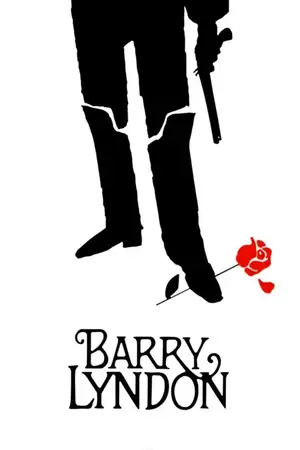
A quintessential Kubrick film. A grand literary adaptation. It is unlike Kubrick’s typically thrilling and frenzied films. The three-hour runtime and slow pace deterred many viewers, but technically it is near perfect. The f/0.7 lens and the oil-painting-like natural lighting and candlelight, combined with the impeccable costumes and sets and the classical music of Bach, Schubert, and Mozart, this film is a classical masterpiece.
Barry Lyndon (1975)
A Alissa_BryantJune 12, 2024
Probably the least Kubrick-like of all Kubrick's films. It shifts from his usual madness and obsession to a grand, tender narrative with a touch of lament. Yet, Kubrick’s signature is evident: extensive voice-over, a love for classical music, familiar audiovisual contrasts, and an extremely neutral narrative perspective. The cinematography marks a leap for Kubrick; its classical painting-like aesthetics and the use of f/0.7 lenses to capture natural light are astonishing. This three-hour saga brims with boundless artistic expression under Kubrick’s direction -- a true visual feast of cinematic language.