Reviews
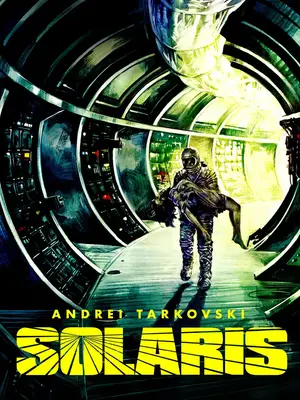
Solaris (1972)
T Terry_DunlapAugust 2, 2024
The film maintains a strong sense of suspense, though it’s directed more toward the characters' inner thoughts than the plot. Through memories and internal monologues, the film connects the space station, the mysterious ocean of Solaris, and the past life on Earth, continually probing into divine wisdom, human suffering, and the meaning of love. The final long take seems to symbolize a caution against technology.

Nostalgia (1983)
A Avery_BeckerAugust 2, 2024
Editing in this film is merely a stylistic feature and doesn’t dictate the pace of the film, because there is a sense of real-time passing whether editing took place or not. This sense of passing time is evident in the director’s use of long takes. The seemingly lengthy and tedious shots are imbued with hidden meanings, filled with tension and passion.at he felt a little relieved.
Nostalgia (1983)
E Eli_EnglishAugust 2, 2024
The final scene of the film is incredibly impactful. In the poet’s memories, he leaves his home, with his wife and child watching him from a Russian countryside. In the ending, he stands in their place, looking into the distance. As the camera pulls back, I realized the house and landscape behind him were a miniature set constructed using perspective. Everything is set within a church, showcasing brilliant set design.
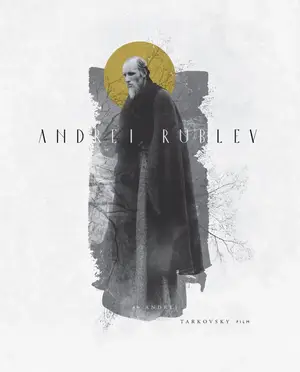
Andrei Rublev (1966)
A Ari_BakerAugust 2, 2024
The film’s extensive use of wide shots and long takes avoids subjective interpretations, excellently portraying the social landscape of late medieval Russia, making it an epic. However, the film downplays dramatic conflicts, focusing on interpersonal conflicts to drive the plot while employing numerous metaphors, which adds to its complexity.
Andrei Rublev (1966)
L Liam_WalkerAugust 2, 2024
I recently understood the true meaning of Renaissance humanism. The late Middle Ages was not a flourishing era; war, plague, and poverty were the reality for most people. Every frame of the film deeply captures the humanistic perspective of artists of that time and perfectly illustrates what is true faith.

Mamma Roma (1962)
A Anita_JamesAugust 2, 2024
The screenplay is excellent, with well-rounded characters and a complete story without unnecessary sentimentalism. The emotions are powerfully conveyed, and the director's style is pronounced. The actors’ performances are outstanding, each with unique characteristics. The cinematography is superb, with well-coordinated lighting and camera movement. The long takes of walking under streetlights at night are particularly memorable.
Mamma Roma (1962)
A Alea_SosaAugust 2, 2024
Pasolini's neorealistic work retains his distinct style, featuring ordinary, lifelike scenes and a simple story. The director includes two long takes of Mamma Roma soliciting clients at night, with changing characters around her, yet her mockery of reality and hope for the future remain constant.

Teorema (1968)
B Brett_AtkinsonAugust 2, 2024
Pasolini uses an exaggerated, almost absurd approach to depict the spiritual emptiness of the middle class and the fragility of bourgeois families and capitalist society. The recurring scenes of the desert symbolize the spiritual state of people in a capitalist society. However, the film's ambiguity about the mysterious young man's identity makes it somewhat obscure. The director’s use of silent scenes is masterful.
Teorema (1968)
A Avery_LeeAugust 2, 2024
The film has minimal dialogue, with only 235 lines in 98 minutes, while most films of similar length typically have over a thousand. The conversations do not drive the plot but rather quote poetic phrases, relying on visuals to convey the story. After watching, I was still left puzzled about the content.

The Decameron (2024)
C Cacá@Amaral11August 2, 2024
I admire the film’s visual appeal; the composition excellently captures the texture of Italian ancient architecture. The movie is composed of several vignettes, some humorous and satirical, others poignant, critiquing the medieval repression of human nature. Pasolini's direct filming style does not shy away from the vulgar and the ugly, as these are the most genuine aspects of humanity.
The Decameron (2024)
A Aria_MeyerAugust 2, 2024
This is the first installment of Pasolini's "Trilogy of Life," establishing the style for the subsequent films. The screenplay, adapted from a literary classic, employs a straightforward filming approach, using non-professional actors and intentionally chaotic settings. However, great care was taken in selecting the locations and costumes, which ironically uses realism to satirize the hypocrisy of religion.
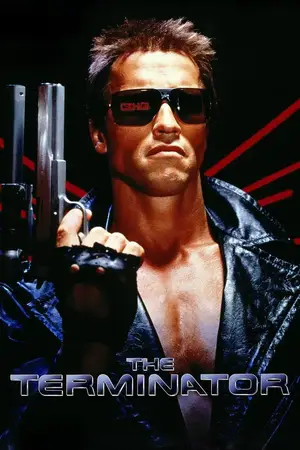
The Terminator (1984)
S Sammy_AtkinsonAugust 1, 2024
The director's creativity and depth imbue "The Terminator" with uniqueness. With a tight pacing, James Cameron poignantly expresses concerns about technological advancement, laying a solid foundation for the series. Arnold Schwarzenegger's Terminator has since become iconic, leaving an indelible mark on film history.
The Terminator (1984)
A Audrey_RosaAugust 1, 2024
Written and directed by James Cameron, this classic dystopian sci-fi action film integrates elements of artificial intelligence, robots, apocalypse, romance, gunfights, and time travel, breathing new life into them. The cold-blooded, relentless killer machine, the poignant love story, and the unescapable time paradox are the film's highlights.

Manhattan (1979)
L Lúcia@3201August 1, 2024
The film depicts the struggles that many face now and will confront in the future. It’s filled with aphorisms, blending comedy with serious themes, not only portraying romance but also providing profound insights into interpersonal relationships, as well as the intellectual and artistic communities.
Manhattan (1979)
A Alma_CookeAugust 1, 2024
This film is seemingly an old-fashioned black-and-white movie. Unlike past black-and-white films that has inferior visuals due to technological limitations, this film's look appears intentionally artistic. The meticulous composition, coordination of scenes and characters, exquisite cinematography, and clever use of chiaroscuro lighting enhance the charm of the city and the texture despite the seemingly monotonous palette.

Full Metal Jacket (1987)
M Maxwell_DoughertyAugust 1, 2024
This is the best anti-war film I've ever seen. The director directly expresses the price of war. A war correspondent wearing a peace badge yet sporting a helmet inscribed with "born to kill" embodies the internal struggles people at war face, inviting viewers to delve deeper.
Full Metal Jacket (1987)
D Dwight_PhillipsAugust 1, 2024
Initially, I thought the film was merely a war documentary exploring human depravity. However, it surprised me. What drives soldiers to kill isn't mindless mechanical execution but the suppression of humanity over time. This humanity fuels their killing drive and each soldier's internal conflict.

Kagemusha: The Shadow Warrior (1980)
F Franklin_DennisAugust 1, 2024
I was profoundly moved by the film. Tatsuya Nakadai's use of cinematic techniques and language far surpasses many directors. His ability to convey intense emotions without a single word is his most distinctive trait. Combined with his powerful onscreen presence, he effectively expresses the film's themes.
Kagemusha: The Shadow Warrior (1980)
A Alexandria_OsborneAugust 1, 2024
Tatsuya Nakadai's signature work. He plays dual roles, capturing both Takeda Shingen's aura and Kagemusha's awkwardness perfectly. Although Takeda Shingen dies about thirty minutes into the film, he is undoubtedly the story's main character. His shadow looms over both enemies and friends throughout the plot.

Ran (1985)
A Alison_HardinAugust 1, 2024
Akira Kurosawa employs grandiose cinematography and vibrant color palette and design to create an epic. Though the theatrical acting style might be somewhat jarring, "Ran" surpasses a simple stage play by effectively conveying the tragic atmosphere of chaotic times. The film's essence can be summed up in one sentence: In this chaotic era, no one can escape unscathed; madness and death are the best choices.