Reviews

The River (1997)
X Xenia.SrApril 11, 2025
One of Ming-liang Tsai’s few films with a structured narrative and substantial dialogue. I was so absorbed that I didn’t even realize I watched it on silent for ten minutes—and I still found it utterly compelling. Maybe I’ve watched so many of his films that I no longer need dialogue to sustain my interest; the experience is purely sensory.

The Ice Storm (1997)
XXenia.SrApril 11, 2025
Xenia.SrApril 11, 2025It can feel a bit slow, but the atmosphere is well-crafted. As an adaptation, however, it completely misses the essence of the novel, forcing out a happy ending. The book is a bleak portrayal of middle-class Americans numbed by life, slowly withering away in apathy and emotional deprivation. The film lacks that unflinching realism.

Lolita (1997)
XXenia.SrApril 11, 2025
Xenia.SrApril 11, 2025The film portrays the protagonist as a passionate, tormented man who is madly in love, enduring Lolita’s whims and betrayals in a seemingly pure and beautiful relationship. But this glosses over the fact that he is a pedophile who ruins Lolita’s life. Reading the novel makes it painfully clear just how suffocating his physical and mental control over her is. Is this love? Hardly. What I see is a tragic, self-destructive obsession.

As Good as It Gets (1997)
XXenia.SrApril 11, 2025
Xenia.SrApril 11, 2025The film masterfully blends humor and heartfelt emotion, offering profound insights into love, personal growth, and redemption. Watching it feels like an emotional journey, one that oscillates between laughter and tears, ultimately leaving the audience with a renewed appreciation for life. The humor is both natural and sophisticated, while the characters’ psychological struggles are meticulously crafted, making their journeys deeply relatable.

The Rainmaker (1997)
XXenia.SrApril 11, 2025
Xenia.SrApril 11, 2025The film’s final courtroom moments are somewhat flawed—key evidentiary issues, such as the acceptance of stolen documents, are glossed over, weakening the legal logic. The judge’s overt bias also feels a bit heavy-handed. Still, Francis Ford Coppola’s auteurist touches shine through in the film’s fluid transitions, evocative score, and introspective voiceovers. While the screenplay itself isn’t particularly remarkable and its themes feel somewhat dated today, its score elevates the film to another level.

Halloween H20: 20 Years Later (1998)
XXenia.SrApril 11, 2025
Xenia.SrApril 11, 2025Jamie Lee Curtis’ return and the 20th-anniversary milestone bring "Halloween H20" back to the essence of the franchise. The story moves beyond the simple chase-and-kill formula of earlier sequels, adding fresh dynamics. The multiple confrontations in the climax expertly heighten both the suspense and the visceral thrill of the slasher genre.
Mission: Impossible II (2000)
XXenia.SrApril 11, 2025
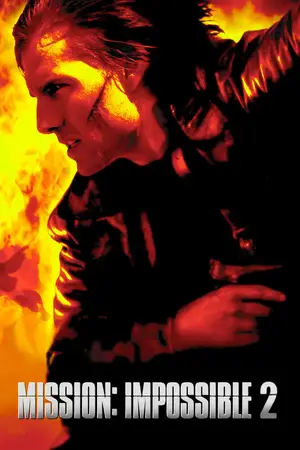
Xenia.SrApril 11, 2025The film’s overall production feels inconsistent. The emotional scenes are overly sentimental, and the romance feels painfully forced, reducing the female lead to little more than a plot device. The dialogue lacks depth, with some lines merely reiterating the obvious. It’s clear the director wanted to infuse the film with his personal style, but the result is an overcrowded mix of elements that ultimately make the film feel tonally disjointed.

The Object of My Affection (1998)
XXenia.SrApril 11, 2025
Xenia.SrApril 11, 2025At first, I couldn’t believe Nina had actually fallen for George, knowing full well he was gay. But then I realized I was being naive—love doesn’t always follow logic. The most memorable line comes during George’s brother’s wedding when Nina finally confronts him: “I wanna be able to look at you and not feel so hurt by you.” Anyone who has ever loved someone who couldn’t return their feelings has likely whispered that sentiment to themselves.
Practical Magic (1998)
XXenia.SrApril 11, 2025
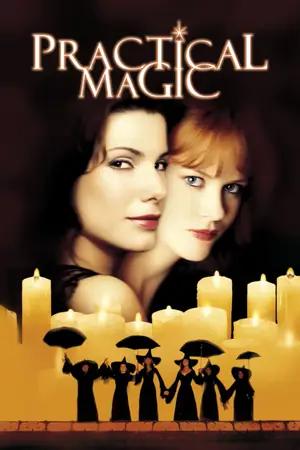
Xenia.SrApril 11, 2025A romantic comedy centered on magic should be whimsical and engaging, yet this film manages to be painfully sluggish and dull. The characters' motivations are incoherent, the magic lacks excitement, and the romance is utterly unconvincing. It’s just bad. If its shortcomings were simply due to time, that would be one thing—but "The Parent Trap," released the same year, remains a timeless classic.

He Got Game (1998)
XXenia.SrApril 11, 2025
Xenia.SrApril 11, 2025At its core, the film is about the evolving father-son relationship, from initial conflict to eventual reconciliation. The storytelling is smooth, and the emotional depth is well-captured. I appreciate the film’s themes, but the execution lacks depth, bogged down by unnecessary scenes and slightly erratic editing. For a Brooklyn-set film, the cinematography could have leaned into a grittier, more muted aesthetic.

Green Fish (1997)
XXenia.SrApril 11, 2025
Xenia.SrApril 11, 2025One of the film’s most symbolic props is the lighter. There are at least three distinct scenes of Makdong lighting someone’s cigarette. It’s clear that Lee infuses the lighter with masculine ideals—courage, honor, dignity, and raw conviction. Ironically, Makdong earns the boss’s favor due to this boldness, yet it’s the same blind recklessness that ultimately seals his fate. The transition from passively offering a light to actively doing so only deepens the film’s tragic undertone.

For Love of the Game (1999)
XXenia.SrApril 11, 2025
Xenia.SrApril 11, 2025Hollywood keeps churning out these formulaic sports dramas—the predictable career arc from triumph to downfall to redemption, combined with an overly sentimental love story, and voilà, another movie is made. The only standout element here is Kelly Preston—at this stage in her career, she exudes intelligence and beauty.

There's Something About Mary (1998)
XXenia.SrApril 11, 2025
Xenia.SrApril 11, 2025Some of the film’s most iconic moments are undeniably crude yet undeniably hilarious. I genuinely enjoyed the first half, but things started to spiral out of control as it went on, with a rushed and somewhat sloppy conclusion. The character of Tucker makes no logical sense—why did he spend years hiding his identity and staying close to the protagonist? If he had always been obsessed with Mary, why did he encourage the protagonist to pursue her in the first place?

Girl on the Bridge (1999)
XXenia.SrApril 11, 2025
Xenia.SrApril 11, 2025A visually exquisite black-and-white film, where every frame radiates elegance. Paired with a delicate, melancholic score, it becomes an immersive experience—both poetic and deeply moving. The storytelling is meticulously crafted, while Vanessa Paradis’ hypnotic beauty and expressive presence make her an undeniable focal point.

High Fidelity (2000)
XXenia.SrApril 11, 2025
Xenia.SrApril 11, 2025A sharply observed coming-of-age story, capturing the restless angst of an urban dreamer—cocky yet insecure, talkative yet lost, cynical yet sentimental. The protagonist’s direct addresses to the camera recall Woody Allen’s self-deprecating humor, while the soundtrack, packed with rock classics, serves as a poignant reflection of his emotional turmoil. The film resonates not through its plot but through its atmosphere—a wistful ode to love, music, and arrested adolescence.

Pola X (1999)
XXenia.SrApril 11, 2025
Xenia.SrApril 11, 2025A radical departure from Carax’s previous trilogy, but not necessarily for the better. This attempt at reinvention only exposes his greatest weakness—his struggle to construct a cohesive narrative. While individual sequences stand out, such as the blood-red lighting during the Chinese man’s song or the underground metal club’s immersive atmosphere, the film as a whole feels disjointed. The connections between its events remain elusive, making it more of a patchwork than a fully realized vision.
The Idiots (1998)
XXenia.SrApril 11, 2025
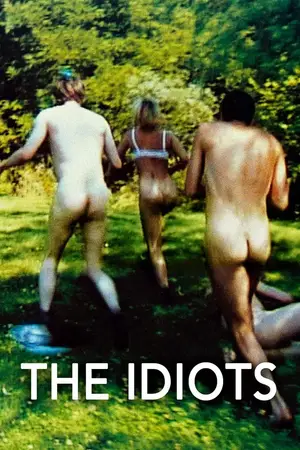
Xenia.SrApril 11, 2025A quintessential von Trier work—intentionally rough, grainy textures, desaturated colors, and frenetic handheld shots create a deliberately unpolished aesthetic. Interspersed with interviews, the film often feels like a documentary, challenging viewers with its fragmented narrative and relentless provocation. This is cinema designed to test patience and endurance, forcing audiences to engage with its uncomfortable themes.

Dr. Akagi (1998)
XXenia.SrApril 11, 2025
Xenia.SrApril 11, 2025A doctor dedicated to hepatitis research, unwavering in his principles and tireless in his work, yet powerless against the relentless spread of disease. Imamura draws a stark parallel between physical illness and moral corruption, suggesting that Japan’s wartime atrocities not only devastated other nations but also inflicted deep wounds on its own people. The film’s final image—a nuclear mushroom cloud—is as horrifying as it is darkly ironic.

She's All That (1999)
XXenia.SrApril 11, 2025
Xenia.SrApril 11, 2025While the film carries some outdated values and clichés, it also presents a refreshingly independent and confident female lead. The line introducing the transformed Laney—"new, not improved, but different"—is quietly progressive in itself, challenging the traditional makeover trope. The two leads are irresistibly charming, and spotting Paul Walker and Usher is a delightful surprise. With its nostalgic '90s glow, this is a prime example of a well-executed teen flick.

Summer of Sam (1999)
XXenia.SrApril 11, 2025
Xenia.SrApril 11, 2025Through the use of 16mm film, "Summer of Sam" effortlessly transports viewers back to one of the most pivotal years in New York’s urban history. Spike Lee, with his distinct artistic vision, crafts an experience that is not only visually arresting but also emotionally shattering, capturing the paranoia and upheaval of a city on edge.