Reviews

The Lovers (1958)
A Angelita_ThompsonMay 19, 2025
The film is layered with visual cues and symbolic framing: shot-reverse-shots expose the emotional rift between husband and wife, while spatial composition—like the wife and athlete seated together at dinner—signals romantic tension. The bat in the locked room becomes a metaphor for her loss of freedom, while the released fish hints at liberation through love. Yet the final image of a coin toss—revealing the man’s poverty—suggests that their romance, though sincere, may not last long.

MobLand (2025)
K Kirk_SawyerMay 19, 2025
It’s more than just mob clichés. At its core, the series explores loyalty, identity, and personal ethics. Harry’s role as a mediator between rival families forces him into morally gray territory, raising questions about what it means to choose between self-preservation and familial duty.

Limelight (1952)
M Marí2aMay 19, 2025
This isn’t the Chaplin of slapstick gags or biting social satire. Here, he opts for a more conventional narrative structure, blending stage comedy, heartfelt drama, and even musical theater. The result is a poignant love story and an unexpectedly complex meditation on art, aging, and meaning. Chaplin may be telling a story, but he’s also laying bare his views on life and love.

Den of Thieves: Pantera (2025)
T toKoralíMay 19, 2025
Visual effects are crucial in the climactic showdown. From speeding vehicles to bullet collisions and flying debris, the action is visually impactful, immersing viewers in that high-stakes environment.
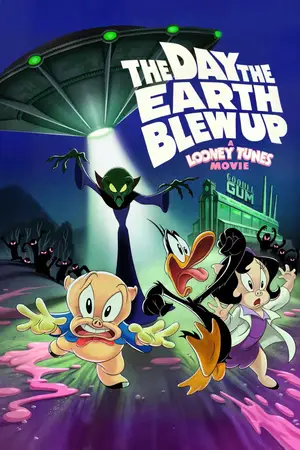
The Day the Earth Blew Up: A Looney Tunes Movie (2024)
TtoKoralíMay 19, 2025
toKoralíMay 19, 2025The film’s hand-drawn 2D animation pays homage to legends like Chuck Jones, while seamlessly incorporating CGI for creatures and space elements. The result is a charming blend of old and new, with expressive character animation. Unfortunately, the plot feels thin and predictable, and the “save the world” premise lacks real stakes, which undercuts any sense of urgency.

Colorful Stage! The Movie: A Miku Who Can't Sing (2025)
TtoKoralíMay 19, 2025
toKoralíMay 19, 2025It’s obvious the budget was poured into the latter half’s music and concert sequences, which still don’t reach particularly high production levels—likely because of the sheer number of songs involved. This is pure fan service, with little to no plot and barely any character development to speak of.

12 Strong (2018)
TtoKoralíMay 19, 2025
toKoralíMay 19, 2025The fact that this is a true story makes it even more fascinating. Unlike other war films that dwell on emotional subplots, this one sticks to the grit and chaos of the mission itself. It’s a straightforward depiction of hardship, camaraderie, and support from locals, without unnecessary embellishments.

Werewolves (2024)
TtoKoralíMay 19, 2025
toKoralíMay 19, 2025Despite a promising start with atmospheric lighting and mood, everything falls apart the moment the full moon rises. The werewolf costume is distractingly fake, and even the final transformation (that's better done) can’t redeem the film’s overall look of cheapness. But the biggest problem is the script: it’s riddled with clichés and plot holes, making it more frustrating than frightening.
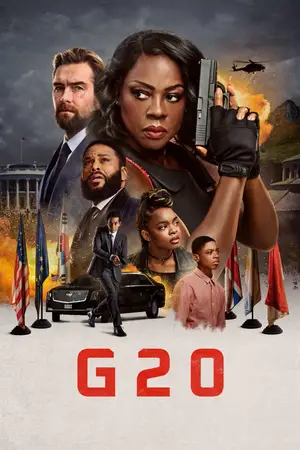
G20 (2025)
TtoKoralíMay 19, 2025
toKoralíMay 19, 2025For viewers seeking thrills and spectacle, "G20" delivers with its action scenes and star power. But those craving thoughtful storytelling, layered themes, or polished production design may find it lacking.

The Woman in the Yard (2025)
TtoKoralíMay 19, 2025
toKoralíMay 19, 2025The film takes its time setting the stage, focusing on Ramona’s family struggles and their oppressive sense of isolation. The slow-burn tension works—until the second half, when the film suddenly jumps into genre clichés. Jump scares and rapid cuts are startling, but they undercut the atmosphere built earlier. Some of these changes feel rather jarring.

The King of Kings (2025)
TtoKoralíMay 19, 2025
toKoralíMay 19, 2025The score plays a vital role in shaping the film’s tone—gentle melodies and ambient sounds underscore moments of warmth in domestic scenes, while grandiose organ chords elevate the spiritual gravitas of biblical sequences. Ultimately, the film invites reflection on faith, humanity, and family, making it a thought-provoking viewing experience.

French Cancan (1955)
TtoKoralíMay 19, 2025
toKoralíMay 19, 2025During this period, Jean Renoir seemed obsessed with color. The bold, painterly visuals are drenched in light and movement, and the comedy leans toward a cheerful, family-friendly sensibility. The entire film feels like a vibrant tapestry, its bright hues, musical numbers, and that climactic dance sequence all dazzling the eye in a joyful overload.

Senso (1954)
TtoKoralíMay 19, 2025
toKoralíMay 19, 2025Only someone of Visconti’s aristocratic background could have staged such opulence outside the Hollywood system. In one unforgettable scene, the countess moves deeper into the frame, literally and figuratively descending into ruin. It's a moment where mise-en-scène and emotion align perfectly when she throws everything away for her lover, rushing breathlessly through doors with money in hand.

Bob le Flambeur (1956)
TtoKoralíMay 19, 2025
toKoralíMay 19, 2025The film shows the ambition of a young director grappling with genre tropes borrowed from Hollywood. The storytelling is uneven, the music cues enter and exit abruptly, and editing often disrupts the flow of action. Key plot turns also feel jarring by the latter half of the film.

Early Spring (1956)
TtoKoralíMay 19, 2025
toKoralíMay 19, 2025The story is stripped-down, but the characters are delicately drawn. Ozu unveils key developments with perfect timing, in a minimalist, almost anti-dramatic style. The film's visuals are unmistakably Ozu's signature style—low-angle static shots dominate, with only a few tracking movements. One of the most haunting moments is a late-night confrontation between the leads. The ensemble scenes, editing, and use of empty frames early on all build a powerful sense of emotional restraint.

An Affair to Remember (1957)
TtoKoralíMay 19, 2025
toKoralíMay 19, 2025Had I not seen the 1939 original, I might have appreciated this version more. But this remake is virtually a shot-for-shot reproduction—same story, same direction, nearly identical compositions. It’s as if the only thing that changed was the cast. As a result, the film offers little in the way of freshness or reinvention.

Charlotte et Véronique, ou Tous les garçons s'appellent Patrick (1959)
TtoKoralíMay 19, 2025
toKoralíMay 19, 2025Godard’s first 35mm short, co-written with Rohmer and based on their story "Charlotte and Véronique," follows two sisters who unwittingly fall for the same smooth-talking man. The audience sees it all unfold with omniscient amusement, and even after the deception is exposed, the characters take it in stride, lending the film its breezy, comedic tone.

Equinox Flower (1958)
TtoKoralíMay 19, 2025
toKoralíMay 19, 2025Told from the father's perspective, the film charts his gradual acceptance of his daughter’s wish to marry for love rather than duty. Though its visual style is quintessentially Ozu—low-angle shots, static frames—the attention to detail feels slightly less refined than in his finest work.

A Story of Water (1961)
TtoKoralíMay 19, 2025
toKoralíMay 19, 2025Godard took footage François Truffaut abandoned during a regional flood and reworked it with his own narration and edit. The result is dense with voiceover and fragmented cuts, so much so that one must choose between reading subtitles or watching the images—there’s hardly time for both. In the end, it’s difficult to say whether I truly grasped what I’d just seen.

Good Morning (1959)
TtoKoralíMay 19, 2025
toKoralíMay 19, 2025Ozu’s compositional style is unparalleled. His pursuit of formality in composition plays out in every detail: food, clothing, furnishings, architecture. The low camera angles create a serene spatial rhythm, rendering everyday domestic rituals—changing clothes, sharing meals, casual chats—into a kind of visual poetry.