Reviews

Brief Encounter (1945)
N Nate_WolfMay 21, 2025
Even if one doesn’t endorse the romance at its core, it’s hard not to feel a pang of sorrow in the final moments when the train rushes past. That’s the director’s ingenuity at work. The real issue isn’t that the lovers met too late—it’s that this lonely woman was aching for connection. Marriage brings routine; travel breeds longing. And since the film is told entirely from her point of view, we’re left unsure how deeply the man truly cared.

Children of Paradise (1945)
R Raymond_MorganMay 21, 2025
A film steeped in betrayal and heartbreak, yet the message is that love prevails. Love triumphs over all, no matter the pain it brings. The ending is unexpected in the best way, a testament to the brilliance of the screenplay.
The Big Sleep (1946)
R rosemusicMay 21, 2025
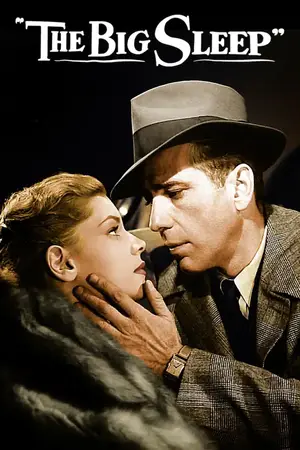
Howard Hawks’ "The Big Sleep" isn’t just a film, it’s a showcase of linguistic artistry. The allure lies in its dense, razor-sharp dialogue, which not only navigates a tangled plot but also brings its characters vividly to life. The crackling chemistry between Humphrey Bogart and Lauren Bacall is fueled almost entirely by this verbal sparring.

Letter from an Unknown Woman (1948)
J John_LandersMay 21, 2025
One of Max Ophüls’ crowning achievements and a towering romantic tragedy. Every element—pacing, staging, lighting, cinematography, editing, and music—is meticulously orchestrated. Joan Fontaine inhabits the role of the devoted, pure-hearted lover with heartbreaking sincerity; her gaze alone invites overwhelming empathy. The screenplay's changes from the original novel arguably enrich the film even further.

Red River (1948)
J James29May 21, 2025
Even without color, "Red River" is utterly mesmerizing. The dialogue is sharp, the emotional undercurrents carefully drawn, and the scenes are stunning even by today’s standards, especially the thundering stampede sequences.

Bitter Rice (1949)
M M_sDAVIMay 21, 2025
Visually dazzling, the film is filled with sweeping tracking shots. The lateral long takes unfold like a painted scroll, revealing a world too intricate for words. The most striking sequence—a mix of dance and conflict—features brilliant editing, with alternating entrances, reaction shots, close-ups of gestures and expressions, and a chaotic fight that is choreographed to perfection.

The Earth Trembles (1948)
C Camila_WeeksMay 21, 2025
Visconti captures a profound sense of compassion in this piercing portrait of the working class. Through the fate of four siblings, he vividly illustrates the plight of the proletariat: as long as they remain divided, they are doomed to exploitation and ridicule. Their suffering alone is deeply affecting, yet the grandeur of Visconti’s cinematic language elevates that sorrow into something tragic and noble.

Heavenly Puss (1949)
B Bryce_WebbMay 21, 2025
Tom can’t enter heaven unless Jerry forgives him—only to realize, with relief, it was all a dream. The cartoon surprisingly grapples with mortality and morality. I’d been searching for this episode for ages—it was my first real exposure to the idea of death and the afterlife.

The Heiress (1949)
F Fred_WilkinsMay 21, 2025
Based on Henry James’ novel "Washington Square," this version feels emotionally muted, and despite not having read the book, I preferred the 1997 adaptation. The film shows that even the most fervent love eventually burns out.

Stray Dog (1949)
J Jeffrey_NelsonMay 21, 2025
The film offers a vivid cross-section of postwar Japanese life, but its dramatic tension is lacking, and the pacing feels sluggish. From a cinematic standpoint, the bold use of flashbacks early in the film is noteworthy—techniques that Kurosawa would later refine in "Rashomon" the following year.

The Flowers of St. Francis (1950)
B BobBoardMay 21, 2025
Adapted from frescoes at the San Francesco monastery in Assisi, this film tells the life of Saint Francis through 11 vignettes, each capturing virtues like humility, compassion, faith, and sacrifice. The episodic structure keeps things fresh, while the stories explore the overlap between religious ideals and reality.

The African Queen (1951)
G Glenn_BenderMay 21, 2025
Despite some technical limitations of the time, this film is a lively adventure-romance with smart pacing and numerous dramatic turns. The mismatched pairing of a cowardly, self-absorbed man and a resourceful, idealistic woman feels refreshingly original.

Early Summer (1951)
H Herman_ShannonMay 21, 2025
Marriage is a recurring subject in Ozu’s films, but more than social pressure, he’s interested in how a family navigates their emotions leading up to and following a daughter’s wedding. Though the story unfolds in postwar Japan, the war’s impact is only hinted at, such as the mention of the Battle of Xuzhou.

Ransom Canyon (2025)
A Ashly_LemonMay 21, 2025
Set against the rugged beauty of the Texas hill country, the series offers sweeping visuals of wide plains, golden sunsets, and rustic homes, evoking a strong sense of immersion. The cast is well-matched to their roles, with a number of standout performances, and the inclusion of Native American characters adds a welcome layer of representation.


Adolescence (2025)
N NIKITA SOUMay 20, 2025
Adolescencia es una película que llega directo al corazón. Es una especie de espejo que refleja esas noches en las que uno no puede dormir, esas dudas que todos tuvimos en algún momento, y esas ganas de ser aceptados que nacen cuando todavía estamos descubriendo quiénes somos. La verdad, la historia de Lucía, la protagonista, se siente muy real, como si hubieras vivido alguna de esas experiencias o conocieras a alguien que sí.
Desde que empieza la película, te meten en ese mundo de sentimientos encontrados. Lucía tiene 15 años y vive en un pueblo pequeño, donde todo parece más simple por fuera, pero por dentro ella se siente completamente confundida. Hay un momento en que la vemos enfrentándose a la mirada cruel de algunos compañeros, que se burlan de ella y la hacen sentir pequeña. Uno de los personajes que más impacta es Martín, un chico popular que, por un lado, genera cierta atracción en Lucía, pero que también la humilla en público. Y esa doble cara, esa lucha entre el deseo de gustarle y el miedo a ser lastimada, resulta muy potente.
Uno de los puntos fuertes de la película es cómo muestra la lucha interna de Lucía. La inseguridad, la vergüenza, esa sensación de que no encajas y que todos parecen tenerlo claro menos tú. Pero también está esa amistad que aparece en medio de toda esa tormenta. Valería, su mejor amiga, es ese brazo que siempre está para escuchar y apoyar. Ella también tiene sus propios conflictos, especialmente con su identidad, y eso enriquece la historia porque nos muestra que, en ese proceso de crecer, todos enfrentamos nuestras dudas y temores.
Lo que realmente marca un cambio en la historia es cuando el bullying en las redes sociales la golpea con fuerza. Ver cómo el odio digital puede humillar a alguien hasta hacerla dudar de sí misma, es duro. Pero también es una enseñanza importante, porque en esa oscuridad, Lucía encuentra la fuerza para levantarse. Decide que ya no quiere esconder quién es y empieza un proceso de aceptación. Eso quedó muy claro en la escena final, cuando, en una fiesta, confiesa su amor por Andrés. La reacción de sus amigos y familiares no fue perfecta, pero sí auténtica y llena de esa esperanza que todos necesitamos.
Lo bonito de Adolescencia es que no solo muestra los momentos difíciles, sino que también nos recuerda que, aunque la vida en esa etapa puede ser como una montaña rusa, la valentía y el amor propio tienen el poder de transformar todo. La película nos invita a ser auténticos, a aceptar y respetar a los demás, y a entender que todos estamos luchando una batalla interna, aunque a veces no lo parezca.
Es una historia sencilla en su estructura, pero profunda en su mensaje. Y, al final, te deja ese sabor cálido de que, aunque a veces parezca que estamos perdidos, siempre hay una luz que nos ayuda a seguir adelante. La historia de Lucía, con sus altibajos, es la historia de muchos jóvenes que buscan su lugar en el mundo, y eso la hace aún más especial.
Si te gusta la idea de ver una historia sincera, llena de matices y emociones honestas, Adolescencia es una película que te va a tocar, te va a hacer reflexionar y, seguramente, te dejará pensando un buen rato después de terminarla.

Léon Morin, Priest (1961)
B Blythe_NunezMay 19, 2025
What elevates the film is its exceptional character work. Melville builds both leads with uncommon care, using small contradictions and understated gestures to make them feel real. Belmondo’s priest is charismatic, brimming with quiet conviction, while Emmanuelle Riva’s journey from skeptic to believer to emotionally entangled admirer is charted with uncanny precision.