Reviews

2046 (2004)
A Alia_SimsJuly 21, 2024
The director uses many previously used scores and music which match the characters' psychological states, which can also ring a bell for fans of Wong's works. The newly introduced operatic music significantly enhances the sense of time and space, making for a highlight.
2046 (2004)
A Amina_HollandJuly 21, 2024
The color scheme of 2046 changes with the scenes. For example, in the dimly lit casino in Singapore, Su Lizhen, dressed in black, moves through the darkness, while on the train in 2046, the red tones changes its lightens and dims with the appearances of Faye Wong and Carina Lau. Every scene, from rooms and corridors to restaurants, has its color, which combines to form the film’s overall palette.

The Grandmaster (2013)
A Adalyn_CollinsJuly 21, 2024
The film features two spectacular rain-soaked fight scenes between Yip Man and Yixiantian, showcasing Wong Kar-wai’s signature slow-motion technique to romanticize the violence. In high-speed photography, the splashing water and the fighters’ movements blend seamlessly. While wuxia films often use water as a backdrop or prop, this creative usage is a unique development.
The Grandmaster (2013)
A Adam_HudsonJuly 21, 2024
The cinematography in The Grandmaster is excellent, with dazzling action sequences. Although the operatic music feels slightly out of place, everything else is superb, especially meticulously crafted dialogue. Unfortunately, the narrative is problematic, with a confusing timeline that ultimately weakens the emotional climax. Nonetheless, the film is high compelling, and I highly recommend it!

Raise the Red Lantern (1991)
2 255-lolineJuly 21, 2024
In the eerie and cutthroat Chen household, Songlian’s personality gradually distorts as she strives for survival. The old family rules of the Chen family are the true culprits behind the tragic fate of Songlian and the other wives. These women are bound by tradition and are ultimately victims of the feudal system.
Raise the Red Lantern (1991)
D dingDillonJuly 21, 2024
Raise the Red Lantern uses red, black, white, and blue across the film. Red, typically a joyous color in China, becomes a symbol of restriction and oppression here. Black represents the dark feudal forces, while white, a pure color, stands for death. Blue symbolizes the cruelty and darkness of the feudal society. The red lanterns, surrounded by deep blue brick walls, reveals how behind all the festive red lies the oppressive feudal expectations that condemns women to tragic fates.
To Live (1994)
G G4gustavoJuly 21, 2024
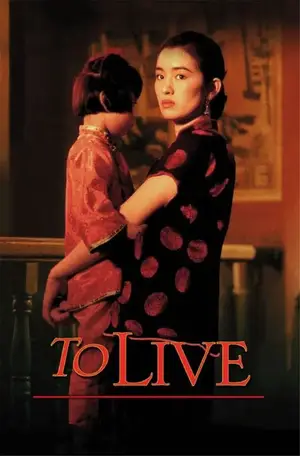
The film maintains a simple, unadorned narrative consistent with its plot. The muted, gray palette of the film reflect the absurdity of the era and the ignorant society then. Ge You’s portrayal of Fugui, with his perpetually muddled expression and actions, vividly conveys the "natural yet tragic" vibes of a commoner in that era, who continues to live calmly despite facing numerous losses.
To Live (1994)
C CookieBrightJuly 21, 2024
In To Live, shadow puppetry - a Chinese folk art form - is introduced as a visual symbol. This unique art form, with its agile puppets moving under light, accompanied by the poignant Qinqiang opera and rhythmic drumbeats, adds significant artistic and visual appeal to the film.

Red Sorghum (1988)
S Stiff_kayJuly 21, 2024
Bathed in the sunset, the sorghum fields turn blood red, symbolizing the pain of losing loved ones. Though trampled, many sorghum still stand strong, embodying the vitality of the Chinese people.
Red Sorghum (1988)
B Bobby_HurstJuly 21, 2024
The film’s story is intricately set up, with each part tightly connected to the others. However, the extensive early focus on the grandparents’ meeting makes the subsequent addition of the Japanese invasion feel abrupt and uneven. This imbalance hampers the expression of patriotic emotion and fails to fully convey the resilience and tenacity of the Chinese people. With more groundwork, the film could better illustrate the director’s intended spirit of the Chinese people.

Makeine: Too Many Losing Heroines! (2024)
B b5AlaónJuly 21, 2024
Despite its somewhat rough character development, plot, and themes, Hero, a series over two decades old, remains captivating. The characters are given some negative traits but are fundamentally just prosecutors upholding justice. This deliberate contrast enriches the characterizations. Takako Matsu’s portrayal of the clumsy and bumbling new officer is charming and endearing.

Akira (1988)
O Olga321July 21, 2024
The protagonist, much like the director himself, witnesses the end of one era and the beginning of another. Creating such a prophetic and apocalyptic film during Japan’s bubble economy era showcases Katsuhiro Ohtomo’s brilliance. The film’s depth and breadth aren’t hindered by the mediocre script, making it a masterpiece of Japanese animation, though a more streamlined plot would have been ideal.
Akira (1988)
J James29July 21, 2024
Akira depicts the trauma experienced after nuclear devastation and economic anxiety. In the face of despair, people turn to destruction in hopes of rebirth, and the final explosion symbolizes the birth of the universe, underscoring the cyclical nature of existence. Akira represents both past and future, with its exquisite visuals and eerie soundtrack being extremely impactful. The saviors of the world can be anyone; there's no absolute good or evil—everyone is just human.

Memories (2014)
H Harold_RomeroJuly 21, 2024
Memories remains as a classic not due to its groundbreaking animation techniques, captivating story, or intricate plots, but because its directors use animation to reflect on life, society, culture, and politics. Despite its somber tone, the film reveals the creators' commendable and positive attitudes.
Memories (2014)
L Lu_SommerJuly 21, 2024
Katsuhiro Ohtomo’s Memories is undoubtedly a profound piece of animation. The technical artistry allows Ohtomo and his team to blend imaginative animation with storytelling. The three tales, whether sorrowful, satirical, or oppressive, collectively convey a sense of anxiety, setting this animation apart from its contemporaries.
Steamboy (2004)
A Anim50672July 21, 2024
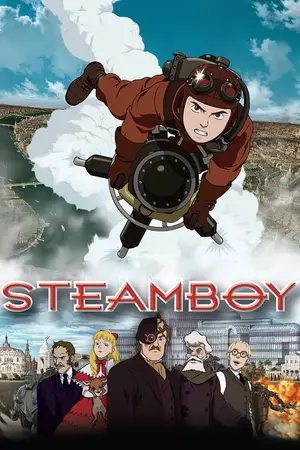
I love the film’s imagination and obsession with machinery, capturing the power of steam-driven technology. The depiction of the soaring steam kingdom is grand and awe-inspiring, perfectly illustrating why the realization of dreams are often tightly intertwined with machines. The sheer power of machinery, so god-like and limitless, creates the illusion that anything is possible.
Steamboy (2004)
X XxBevisxXJuly 21, 2024
Steamboy boasts impeccable animation but falls short in storytelling. The visuals are stunning and unmistakably Katsuhiro Ohtomo, yet the plot feels choppy and uneven. It raises the question: does a focus on technical prowess inevitably lead to a weaker narrative?

Decision to Leave (2022)
B Bene@lindaJuly 21, 2024
"Decision to Leave" is a testament to Park Chan-wook's meticulous attention to detail in camera work, set design, and actor movements. The blue and green metaphors are subtly woven throughout the film. His signature "revenge" style narrative manipulates viewers with its fluctuating form and story, which are full of allure and charm. It's no surprise he won Best Director at Cannes. Each scene transcends its individual narrative, employing theatrical techniques to add depth. Park’s ability to shape characters on a psychological level is truly masterful.
Decision to Leave (2022)
X Xurxo@001July 21, 2024
Park Chan-wook's direction of Tang Wei showcases the same enigmatic quality seen in Ang Lee's films. Both directors leverage her seemingly limited range of expressions, which are actually filled with complex, indistinguishable emotions that confound the male characters. Thankfully, under a master director's efforts, she becomes a symbol, with intricate camerawork compensating for her ambiguous expressions. Park’s use of audiovisual language to convey the emotional dynamics between characters is his greatest strength.

The Square (2017)
N Ninja1998July 21, 2024
"The Square" is a comedy for intellectuals, who will appreciate its self-mockery approach. The humor largely stems from the characters' discomfort and the social faux pas they navigate. In the final act, this discomfort extends to the audience, revealing that the satire targets not just the characters but also the viewers, making it a biting yet impactful commentary.