Reviews

Stray Dog (1949)
A Anita_HessMay 25, 2025
Kurosawa’s talent was already obvious in his early work. His portrayal of Japan’s lower class is both raw and lyrical. Mifune’s descent into the city’s underworld is mesmerizing, almost dreamlike. The compositions are tasteful and precise, clearly the result of meticulous craftsmanship.

The African Queen (1951)
G GONÇALO2go0May 25, 2025
The plot is simple, the setting modest, and the cinematography unpolished, but the charm is undeniable—I laughed from the first frame to the last. It’s been ages since I saw a comedy this pure. Essentially a two-hander, it never drags. And beneath the laughter lie moments of real emotional resonance.


Bitter Rice (1949)
H Herman_GreenMay 25, 2025
Long takes root the film in realism, while ambient sound lends the scenes a documentary-like authenticity. Overhead shots of female fieldworkers emphasize their position at the bottom of the social ladder, while the overseers are filmed from low angles—often framed between their legs—visually reinforcing their dominance and sexual exploitation of the women.

Children of Paradise (1945)
B Bertram_YoungMay 25, 2025
The color palette is calm and understated, never garish—its quiet elegance enhances the emotional resonance of the story. I was completely absorbed. The cinematography, especially in the close-ups, offers a window into the characters’ innermost feelings with remarkable clarity.
Warfare (2025)
F Frantz CasillasMay 25, 2025
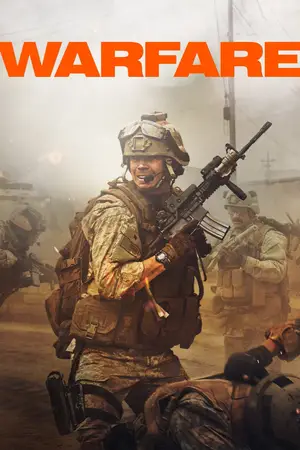
This is not entertainment in any sanitized form—this is orchestrated trauma. A cinematic ambush— each second spent anticipating the cataclysm promised by silence. And astonishingly, it is exhilarating.
A spectacle of sustained apprehension, Warfare turns the cinema into a chamber of shared breathlessness. In the hollow black womb of Dolby’s acoustic cathedral, sound doesn't accompany image—it becomes a ligature around the throat. Anticipation isn’t mood; it’s oxygen—scarce, hoarded, and violently taxed. From the first frame, you’re not watching—you’re conscripted, thrust into a suffocating dread where bullets thread silence with malevolent clarity and every window is a constant thrum of potential calamity.
Director and crew masterfully conjure claustrophobia: corridors are arteries choked with tension, doorways thresholds to annihilation. The tension doesn’t build—it tightens, steadily, sadistically. Warfare enthralls precisely because it tortures. The sensory onslaught repels the faint-hearted (indeed, some audience members abandoned ship, fleeing its sonic and visual brutality), but those who remain do so at the ecstatic precipice of visceral cinema.
Dolby Atmos, often ornamental elsewhere, achieves sanctification here. The soundscape is a biblical tempest of metal shredding flesh and screams, a divine cacophony that rattles marrow. Limbs are torn, blood pools with startling indifference. Obliterating comfort and leaving nerves raw, ragged, and pleading for mercy. Few films have harnessed Dolby to such ruthless ends. You don’t spectate—you flinch, you brace, you endure.
The cast dissolves into their roles with terrifying authenticity. Performances don’t play—they haunt. Eyes flicker with animal alertness, breaths hitch with the instinctive calculus of imminent death. These aren’t characters; they’re conduits for memory, for trauma still warm. What results is cinematic necromancy: actors possessed by history, by fear, by futility.
But strip away its adrenaline-laced virtuosity, and Warfare's heart beats disturbingly hollow. What begins as a gripping ordeal gradually reveals itself as narratively inert—a chronicle of pointless torment, expertly orchestrated yet fundamentally aimless. American soldiers infiltrate a civilian home, commandeer lives, and entrench themselves like parasites, stunned when righteous hostility erupts. What should have been the engine of drama—why they’re there, what they want—is simply... not there. Instead, the film charts a descent into chaos so exquisitely rendered it dares you to forget it’s hollow. Heroism blurs into hubris. Duty curdles into absurdity. We’re not watching a war story—we’re watching war itself, dislocated from purpose, from strategy, from soul. It is intrusion turned into opera, spectacle unburdened by substance. Warfare isn’t a story. It’s an event. A beautifully brutal nothing.
The lack of exposition doesn’t feel like commentary. It feels like avoidance. The moral ambiguity is clear enough—oppressors mistaking themselves for protectors—but Warfare never interrogates that ambiguity. It never digs. Instead, it stuns, recoils, and leaves the aftermath to fester. And by doing so, it permits the full scope of its implications to remain unspoken, hovering like smoke.
As dawn bleeds into the frame, the film refuses catharsis. The aftermath is distant, glimpsed only in silence and shadow. Perspective lingers where pain accumulated, but without delivering moral resolution or narrative comfort. The camera’s final position suggests a shift, a quiet indictment, perhaps even a reckoning, the villains have left, and the film dares to suggest, that the villains wore American uniforms—but it never says so outright. It's a bitter reversal—one that could have been devastating had the film leaned into its implications instead of merely gesturing toward them. The ambiguity is the point. Warfare ends as it begins: immersed in dread, offering no clear exit.
Even its structure betrays its thinness. Strip away the closing montage, and Warfare resembles not a film, but an extended set-piece. A relentless, stunning sequence without arc. A cinematic ambush that leaves no thematic aftershock.
A sonic seizure. A trance of terror. A breathtaking, nauseating ballet of control and collapse. But its brilliance, unmoored from meaning, is frustrating. It seduces utterly and abandons just as completely.
Ultimately, Warfare is both transcendently cinematic and maddeningly hollow. A suffocating plunge through anxiety and volatile fear, it captures with scalpel-sharp clarity the collapse of meaning under the weight of violence, yet fails to transcend its own nihilistic spectacle. It is essential, intoxicating, unforgettable viewing, but it stops where it should speak— leaving only the residue of impact, unshaped, unclaimed. A masterful siege upon the senses, and yet—by virtue of its narrative anemia—one that leaves behind only the echo of its own brutal virtuosity.

Blade Runner (1982)
F Francis CoboMay 25, 2025
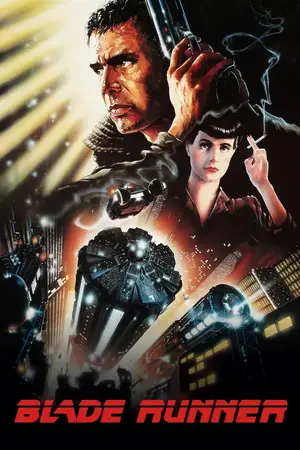
I've seen things you people wouldn't believe: a Harrision Ford character with deep internal conflicts, Ridley Scott refusing to ruin a cult film with a sequel, Neo-noir, baroque, neon, science fiction, Asians in L.A., cyberpunk, Vangelis, an unsolvable philosophical problem, acid rain, everything.

The Unholy (2021)
FFrancis CoboMay 25, 2025
Francis CoboMay 25, 2025The real miracle of the Lady is that anyone has finished watching the film. It is awful.
The Conversation (1974)
FFrancis CoboMay 25, 2025
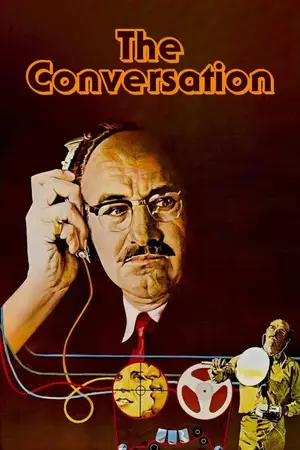
Francis CoboMay 25, 2025I hope no one is spying on me, but I have to say something. Harry Caul is definitely hiding a secret: How does this guy seduce such big women?
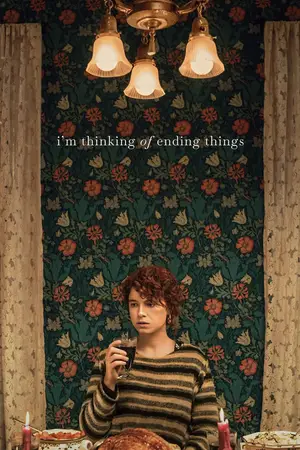
I'm Thinking of Ending Things (2020)
FFrancis CoboMay 25, 2025
Francis CoboMay 25, 2025Not again! It feels exactly like going to my ex-girlfriend's house.

What Did Jack Do? (2017)
FFrancis CoboMay 25, 2025
Francis CoboMay 25, 2025Life is divided into two types of people: those who look like Jack when they are in love, and those who look like Lynch when they smoke.

Civil War (2024)
FFrancis CoboMay 25, 2025
Francis CoboMay 25, 2025I don't know if the strangest thing is that Texas wants to ally with California, or that Californians understand something about Texans.

Cat People (1942)
R Review-dewMay 25, 2025
The influence this film had on horror cinematography is arguably on par with what "Citizen Kane" did for drama. While earlier horror drew heavy influence from German Expressionism with an emphasis on lighting, this film uses camera movement and sound instead to build tension—techniques that laid the groundwork for modern horror as we know it.

The Flowers of St. Francis (1950)
M man23nerMay 24, 2025
Structured like a silent film, with intertitles between scenes, the film unfolds like a cinematic gospel. These 11 stories chronicle the trials and joys of Saint Francis and his followers. To attain spiritual peace, one must endure suffering without resistance, embrace poverty, and give freely—only then can true joy be found.

Ransom Canyon (2025)
E Edmond_GonzalezMay 24, 2025
While the overall plot is undeniably flawed, the criminal storyline has its moments, and the ending delivers a genuine surprise. The blend of romance and suspense keeps it somewhat engaging. That said, the dialogue is weak, marred by overwrought acting and repetitive, fruitless arguments. Conflicts are resolved in a frustratingly formulaic loop, stalling narrative momentum.

The Heiress (1949)
C Chester_PorterMay 24, 2025
I’ve always loved this story. I first encountered it as a stage play, but the film adaptation won me over, especially with its close-ups that intensify the characters’ inner turmoil. The revisions of the screenplay cater to mid-century American tastes, adding dramatic flair. I particularly admired the ending.

The Bitch (1931)
T Timeae4UMay 23, 2025
The film’s use of music and lingering shots on paintings does more than set the mood—it introduces a contemplative distance between viewer and subject. Renoir builds emotional tension not through outbursts but through restraint, allowing key moments to resonate through what’s left unsaid.

Boudu Saved from Drowning (1932)
TTimeae4UMay 23, 2025
Timeae4UMay 23, 2025A delightful early comedy by Jean Renoir, this film turns a simple rescue into chaos as a tramp, saved by a bourgeois bookseller, upends his household. The satire is sharp—skewering middle-class vanity, the proletariat's shamelessness, and the public’s voyeuristic detachment. Michel Simon’s Boudu becomes a prototype for cinematic interlopers who unravel fragile facades of domesticity.

I Was Born, But... (1932)
TTimeae4UMay 23, 2025
Timeae4UMay 23, 2025Yasujiro Ozu tells a seemingly simple story that carries surprising emotional weight. The child actors give wonderfully natural performances, while Tatsuo Saitō, as the father, is both understated and layered. The boys' confrontation with their father's compromises is an elegy for innocence lost in the face of realities faced by adults.