
Mohammad Rasoulof
Director · Writer · Cast
- Born
- November 16, 1972 · Shiraz, Iran
Mohammad Rasoulof was born in Shiraz, Iran in 1972. He is an independent director, writer and producer. He studied sociology. Rasoulof started his filmmaking with documentaries and short films. For his first film 'Gagooman'(The Twilight, 2002) Rasoulof won the prize for the best film at the Fajr Film Festival in Iran. After his second film 'Jazireh Ahani' (Iron Island, 2005) he began to have problems with the censorship system in Iran and his possibilities for the further production and screening of films were strongly limited or prohibited. To this date Mohammad Rasoulof has produced five feature films which none of have been shown in Iran due to the censorship, while his films are enjoyed by a broad audience in cinemas and festivals outside of Iran. Until 2010 Rasoulof mostly used metaphoric forms of storytelling as his means of expression in his films. Since then he has shifted to using more direct forms of expression. In March 2010 Rasoulof was arrested on set at a filming location together with Jafar Panahi while they were directing a film together. In the following trial, he was sentenced to six years in jail. This sentence was later reduced to one year. He was then released on bail and is still waiting for the sentence to be executed. Mohammad Rasoulof has won many prizes for his films. In 2011, he won the prize for best director in Un Certain Regard for his film 'Bé Omid é Didar'(Goodbye, 2011) at the Cannes Film Festival. In 2013 he won the FIPRESCI Prize in Cannes for the film 'Dast-Neveshteha-Nemisoozand'(Manuscripts Don't Burn, 2013) from the International Federation of Film Critics in Un Certain Regard.

Responsibility and Judgement in the Political Expression of Cinema

The Seed of the Sacred Fig: Political Critique Film in the TikTok Era

Cannes Film Festival, Exhausting and Impossible to Please Everyone


It Was Just An Accident: el cine como acto de resistencia
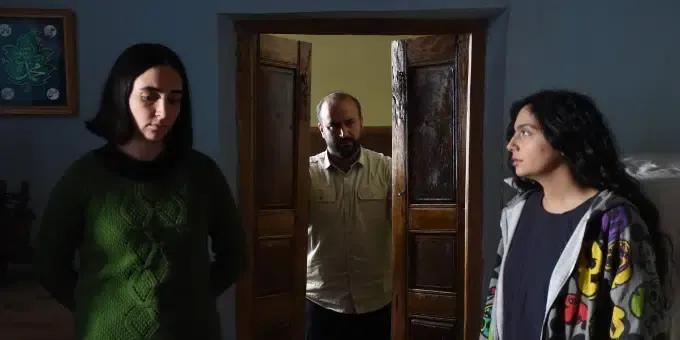
“La semilla del fruto sagrado”: la paranoia del autoritarismo asediado
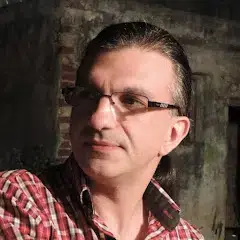

A maior lição de vida que aprendi com o cinema: NÃO SEJA VOCÊ MESMO
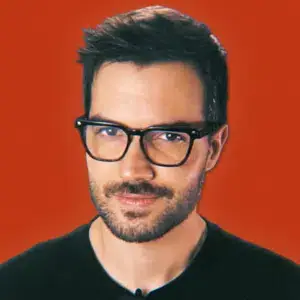

La responsabilidad en la expresión política del cine

Responsabilidade e discernimento na expressão política do cinema


Reseña "La Semilla del Fruto Sagrado" (2024)


Mohammad Rasoulof, el hombre que esquivó la horca


‘A Semente do Fruto Sagrado’ transforma núcleo familiar em microcosmo da violência


Resto del Mundo - La semilla de la higuera sagrada

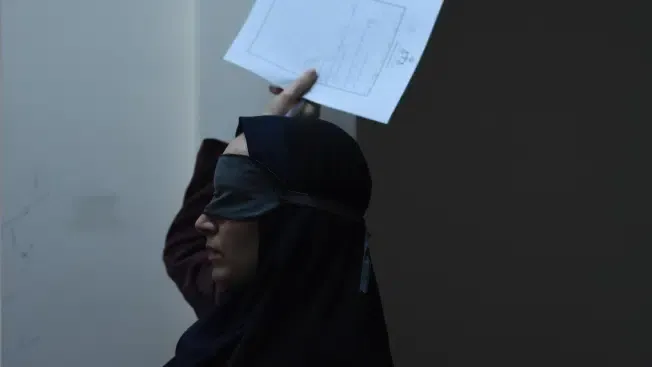
A eterna luta da arte contra a opressão


The Seed of the Sacred Fig (2024): El cine como el arma más letal.


September 5 (2024): Entre la primicia y el vacío emocional.