Reviews

The Adventures of Priscilla, Queen of the Desert (1994)
N Nancy_GilesSeptember 22, 2025
A truly remarkable film, it portrays three drag performers in 1994 with tenderness and vitality. They are outsiders, yet they are fearless. They are fragile, yet they find strength in one another. The world they inhabit can be unkind, but they choose to embrace their differences and move forward with courage. Watching them, I couldn’t help but hope to find that same bravery within myself.
The Adventures of Priscilla, Queen of the Desert (1994)
W Will_LeblancSeptember 22, 2025
The film goes beyond showcasing drag culture, music, and flamboyant costumes; it’s about identity, resilience, and self-expression. Beneath its humor and visual vibrancy lies a deeply human story, supported by exceptional performances, striking cinematography, and bold costume design.

Wait Until Dark (1967)
C Caitlyn_GonzalesSeptember 22, 2025
While the premise—a blind woman outsmarting dangerous intruders—has tremendous potential, the execution doesn’t fully deliver. The narrative feels dragged out, and at times logic gives way to convenience in service of the plot twists. The film remains engaging but never quite reaches the level of gripping unpredictability it strives for.
Wait Until Dark (1967)
W Willy_BowenSeptember 22, 2025
The buildup takes time, yet the pacing is remarkably tight. Set entirely within a confined apartment, the film crafts tension through spatial limitations, escalating into a nerve-wracking finale. Ignoring a few narrative implausibilities, its suspense-driven final act delivers solid thrills.

Chariots of Fire (1981)
A Alexis_McgrathSeptember 22, 2025
From a modern perspective, the heavy use of slow-motion and sentimentality feels slightly overindulgent, and the religious themes may not resonate with everyone. The dual-protagonist structure also creates pacing challenges early on, but the overall craftsmanship and emotional resonance remain impressive.
Chariots of Fire (1981)
C Cecil_MoonSeptember 22, 2025
While the conflicts within the race narrative lack intensity, the film succeeds through its graceful storytelling, evocative score, poetic cinematography, strong performances, and meticulous period detail. Its themes of unity, friendship, and faith transcend national and cultural boundaries, making it a timeless example of inspirational cinema.
Chariots of Fire (1981)
B Blair_ThomasSeptember 22, 2025
Based on a true story, the film celebrates athletic passion through elegant slow-motion sequences that capture every detail of movement and expression. These moments give the audience a visceral sense of the physical and emotional dedication behind competitive running.
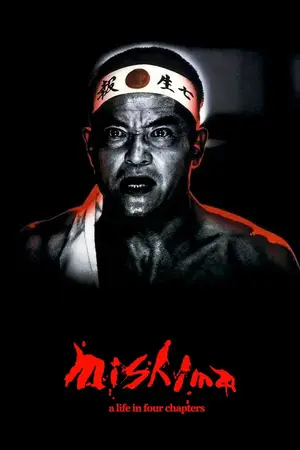
Mishima: A Life in Four Chapters (1985)
C Carla_GravesSeptember 22, 2025
It’s a distinctive and visually arresting biopic. By using theatrical, minimalist staging, the film explores Mishima’s inner world while interweaving pivotal moments of his life with his creative output. Divided into four chapters, it gains additional emotional depth from Philip Glass’s haunting score, which amplifies its meditative intensity.
Mishima: A Life in Four Chapters (1985)
C Cornelius_ZamoraSeptember 22, 2025
Without some familiarity with Yukio Mishima’s writings, the film can be difficult to understand. It blends scenes from his life with dramatizations of his works, using his literature as a key to his personal struggles. The casting, though, is questionable, as the lead lacks the charisma and presence that Mishima embodied.

The Trip (1967)
B Becky_CainSeptember 22, 2025
As the first American film to depict the hallucinatory effects of drugs, it experiments with techniques inspired by the French New Wave, including jump cuts, surreal imagery, nonlinear sequences, and fragmented narration. Some stylistic choices still feel daring and ahead of their time, offering a fascinating glimpse into cinematic experimentation of the era.
The Trip (1967)
B Billie_LarsonSeptember 22, 2025
Directed by Roger Corman and written by Jack Nicholson, this psychedelic exploration of hippie culture revels in its bold visual design. Its vibrant collages and striking costumes create a vivid, hypnotic atmosphere.

Spies Like Us (1985)
M Maxwell_AtkinsonSeptember 22, 2025
The film juggles two separate threads—the comedic misadventures of two bumbling agents and the U.S. military’s secret experiment—but fails to connect them meaningfully. The script lacks compelling obstacles or memorable set pieces, leaving the overall experience flat and unfocused.

Fame (1980)
L Leo_WoodsSeptember 22, 2025
While it incorporates musical elements, this isn’t a typical song-and-dance spectacle. It’s closer to a coming-of-age drama, chronicling four years in the lives of young artists finding their voices, which gives it a grounded and relatable intimacy.
Fame (1980)
C Camila_KlineSeptember 22, 2025
Alan Parker resists the traditional formula of triumph and grandeur. Instead of dramatizing a single success story, the film simply observes a group of art school students navigating four formative years. It doesn’t rely on soaring music or rousing monologues, yet it draws power from ordinary moments, revealing the creativity and resilience in everyday life.
Fame (1980)
B Brandy_LyonsSeptember 22, 2025
Both its characters and its social themes remain forward-looking even decades later. What makes it stand out is its understated, almost diary-like structure, avoiding the heavy-handed dramatics of modern films. While the pacing occasionally drags, its quiet, observational style achieves a rare authenticity that speaks directly to the heart.
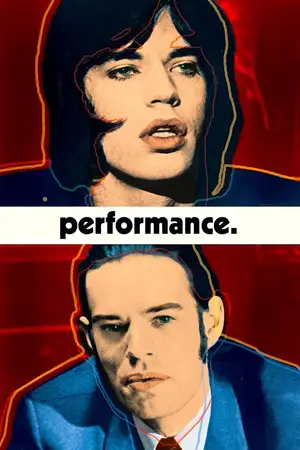
Performance (1970)
A Audrey_HullSeptember 22, 2025
While the disjointed editing effectively creates a hallucinatory mood, it does little to strengthen the storytelling. The film becomes more of a stylistic experiment than a meaningful exploration, and its perspective on queer identity feels limited and superficial. It prioritizes aesthetic indulgence over emotional depth.
Performance (1970)
B Bryon_JohnsSeptember 22, 2025
Nicolas Roeg’s experimental editing style, later refined in “Don’t Look Now,” takes an unrestrained, psychedelic form here. Whereas the later film evokes a dreamlike ambiguity, “Performance” dives headfirst into chaos, focusing less on narrative clarity and more on pure sensory immersion.

Monsieur Verdoux (1947)
W Weston_FranklinSeptember 22, 2025
Its themes remain surprisingly relevant today. Although it’s not Chaplin’s most iconic work, it carries his signature foresight in exposing social hypocrisies. Through the character of Verdoux, we see humanity’s contradictions laid bare—he is ruthless toward the wealthy yet tender with his disabled wife and compassionate toward struggling women. Chaplin’s fascination with morality, society, and human frailty runs deep throughout the film.
Monsieur Verdoux (1947)
A Asha_KennedySeptember 22, 2025
The performances are finely detailed, and the comedy often relies on cleverly constructed coincidences. While some narrative choices feel a bit deliberate and the ending leans heavily into moralizing, the film’s critique is striking: killing one person makes you a murderer, yet economic systems that destroy millions escape judgment. It echoes the cynicism of “The Rules of the Game,” only Chaplin states it far more directly.

Raising Helen (2004)
N Neil_LeachSeptember 22, 2025
Unlike most Hollywood romantic comedies that rely on cliches and fluff, this film takes a quieter and more delicate approach. Every storyline carries weight, and the performances feel restrained yet convincing. It also reveals a different side of Kate Hudson, showing a depth I hadn’t seen in her earlier roles. The final letter moved me to tears—a heartfelt celebration of motherhood and the strength of sisterhood.