Reviews

Period. End of Sentence. (2018)
G G-onzaloAugust 26, 2025
This documentary about menstruation and sanitary pads follows a group of women in Delhi fighting for menstrual rights. Despite the hostile environment toward women, we see them empowered—building and distributing the products they need. Their hopefulness and drive leave a lasting impression.
Period. End of Sentence. (2018)
S Stuart_BenderAugust 26, 2025
In just 25 minutes, the film shifts the spotlight from societal criticism to female resilience. It doesn’t dwell on the patriarchy, but rather celebrates the optimism and strength of working women. Whether it’s earning money to buy her brother new clothes or nervously selling her first sanitary pad, every woman here is courageously stepping into change.

Surviving the Game (1994)
G Gary_KennedyAugust 26, 2025
There are a few plot holes and undercooked decisions, and compared to more modern entries in the genre, it lacks creative kills or savage inventiveness. Still, judged by its era, the story structure holds up surprisingly well and makes for a compelling, if uneven, survival thriller.
Surviving the Game (1994)
C Carl_SchaefferAugust 26, 2025
The manhunt premise didn’t become mainstream until a decade later, making this film oddly ahead of its time. Yet it falls short of delivering the thrills it promises. It’s too tame to be a cult classic and too offbeat for blockbuster appeal—a bold concept hindered by lackluster execution.

Kiss Me Deadly (1955)
A Aurora_OlsenAugust 26, 2025
An overlooked noir that, in retrospect, feels like the genre’s swan song. The film’s opening—a dark, high-speed drive—sets a grim tone, and the surreal ending is far from nonsensical. Beneath the hard-boiled plot lies a simmering fear of nuclear disaster, a tension that finally erupts in its apocalyptic finale.
Kiss Me Deadly (1955)
P Philip23August 26, 2025
"Kiss Me Deadly" delivers a double-edged vision: it’s a gritty noir about urban decay and a frenetic portrait of a hyper-modern, consumer-driven America. Fast cars, pin-up girls, terse tough guys, Bel Air pools, Malibu hotels, and the threat of nuclear annihilation all collide in a volatile mix.
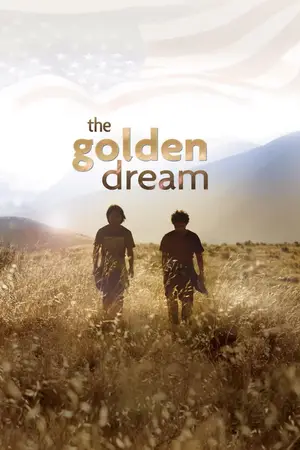
The Golden Dream (2013)
D Donald_CervantesAugust 26, 2025
Stories about Latin Americans crossing into the U.S. are not uncommon, but this Mexican production, focusing on Salvadoran migrants, offers a distinct perspective. The endless freight train rides and repeated attempts at illegal crossings are portrayed with quiet realism, allowing the audience to feel the hardship without sensationalism.
The Golden Dream (2013)
A aMAndEViAugust 26, 2025
Minimalism defines every aspect of "The Golden Dream"—from the unadorned camerawork to the understated performances. The screenplay, however, carries weight. It methodically maps the migrant journey and the trials along the way. Still, the film’s slow start and emotional detachment make it difficult to fully engage at first.

Kill Zone (2005)
R Raymond_TurnerAugust 26, 2025
There are many ways to portray grief on screen. Some actors opt for loud theatrics, but that can feel hollow. Liu Kai-chi takes the quieter route—he builds emotion through restrained detail before letting it erupt in a sudden burst of rage. The result is not just impactful, but deeply reflective of the character’s volatility.

DOA: Dead or Alive (2006)
A Alexia_EdwardsAugust 26, 2025
A man racing against death to solve his own murder—this is the gripping hook of "D.O.A." Told through a lean yet effective flashback structure, the film builds suspense with layered twists and a tense factory chase sequence. As the investigation unfolds, so does a deeper web of players and motives.
DOA: Dead or Alive (2006)
C CORNÉLIO-1August 26, 2025
The ending twist—that the protagonist is literally “Dead On Arrival”—feels like peak black humor, yet it stings with a sense of realism. After fighting to reach the police station and recount everything, he’s met not with justice, but with bureaucracy. It’s not so much a cynical joke as it is a sobering truth: sometimes the justice we seek dies before anyone cares to act.

Black Sunday (1977)
C Cedric_HaynesAugust 26, 2025
Directed by John Frankenheimer, the film follows a chilling plot to bomb the Super Bowl and assassinate the president in front of 81,000 spectators. Some effects haven’t aged well—rear projection and explosions feel dated—but the pacing is strong and the tension is skillfully managed.
Black Sunday (1977)
M MondipotoAugust 26, 2025
American thrillers about terrorism in the ’70s had a special kind of tension, and "Black Sunday" sits right alongside greats like "Rollercoaster," "The Taking of Pelham One Two Three," and "The Day of the Jackal." The high-stakes race against time, with the FBI scrambling through crowds to stop a disaster, makes for a nerve-wracking watch.

Wayne's World (1992)
A Anthony_CoxAugust 26, 2025
Visually, it’s inventive without being overdone—abrupt edits and odd angles keep things playful, and the lighting can feel almost surreal. Sound-wise, the film lives and breathes rock. The use of Queen’s “Bohemian Rhapsody” is iconic, and the soundtrack pulses with rebellious spirit from start to finish.
Wayne's World (1992)
C Cheyenne_HarmonAugust 26, 2025
In many ways, this feels like a rock-and-roll answer to "Repo Man"—both revel in being anti-establishment and irreverent humor, though "Repo Man" cuts deeper in its social critique. "Wayne’s World" goes for a lighter, more self-aware satire, especially in how it gleefully breaks the fourth wall.

The King and I (1956)
I Ivan_LucasAugust 26, 2025
Lavish and full of theatrical flair, the film’s Southeast Asian aesthetic is filtered through a Western gaze. The ballet-like retelling of "Uncle Tom’s Cabin" is especially arresting. Yul Brynner is unforgettable as the conflicted King—torn between his admiration for modernity and his stubborn clinging to tradition.
The King and I (1956)
C Channing_ReyesAugust 26, 2025
The costumes and sets are extravagant, with a saturated color palette and ornate details. The ending—where the King suddenly dies—feels abrupt, almost like the writers ran out of options. Still, the visual design throws in every imaginable “Oriental” trope, and it remains visually engaging.

Old Yeller (1957)
G Glen_MaynardAugust 26, 2025
A deeply affecting family film with strong emotional undercurrents. The early scenes are warm and idyllic, filled with laughter and sun-drenched moments, which only deepen the heartbreak that follows. The music is charming, the themes are resonant, and by the end, it’s hard not to tear up. It’s also a poignant reminder of why we love animals.
Old Yeller (1957)
A Alice_FarrellAugust 26, 2025
One of Disney’s classic animal dramas from the ’50s, "Old Yeller" is both touching and devastating. The story is simple, and the dog is as lovable as it is brave. While the ending—where the boy has to shoot his rabid companion—is tragic, it ultimately becomes a story about love, growth, and learning to let go.

Red Right Hand (2024)
R Reed_SantiagoAugust 26, 2025
Set in yet another small American town plagued by drugs and gun violence, the film recycles every cliché in the book. The pacing drags, certain scenes feel overlong, and the ending wraps up far too abruptly. With flat villains and one-note motivations, the narrative offers very little to latch onto.