One Battle after another | "¡Viva la revolución!"
General Reviews
In an environment marked by censorship and, especially, self-censorship, certain films dare to raise their voices to question not only the institutions of power, but also the essence of human beings. The wonderful thing about cinema is its ability to speak to us honestly from the small and the fictional; that 'lie' agreed upon with the viewer which, paradoxically, turns out to be the only way to get closer to the truth.
In the past, the action hero was the archetype of the "one-man army": tough, muscular, resourceful, and owner of memorable phrases; a hard but charismatic personality. The protagonist we are discussing here is far from that stereotype: he lacks unique powers or abilities and is far from perfect. Although he has useful skills, he stands out above all for being sensitive and human; so much so that his struggle does not seem to stem from ideals, but from a physical or hormonal impulse.

On the other hand, the villain also eschews clichés, moving in constant contradiction: his racist supremacism is betrayed by his own emotional desires. There is even an antagonist character who acts as his mirror image, as his ideals of justice are subject to his sexual impulses. In the end, the protagonists turn out to be two sides of the same coin, revealing Paul Thomas Anderson's genius from the outset.
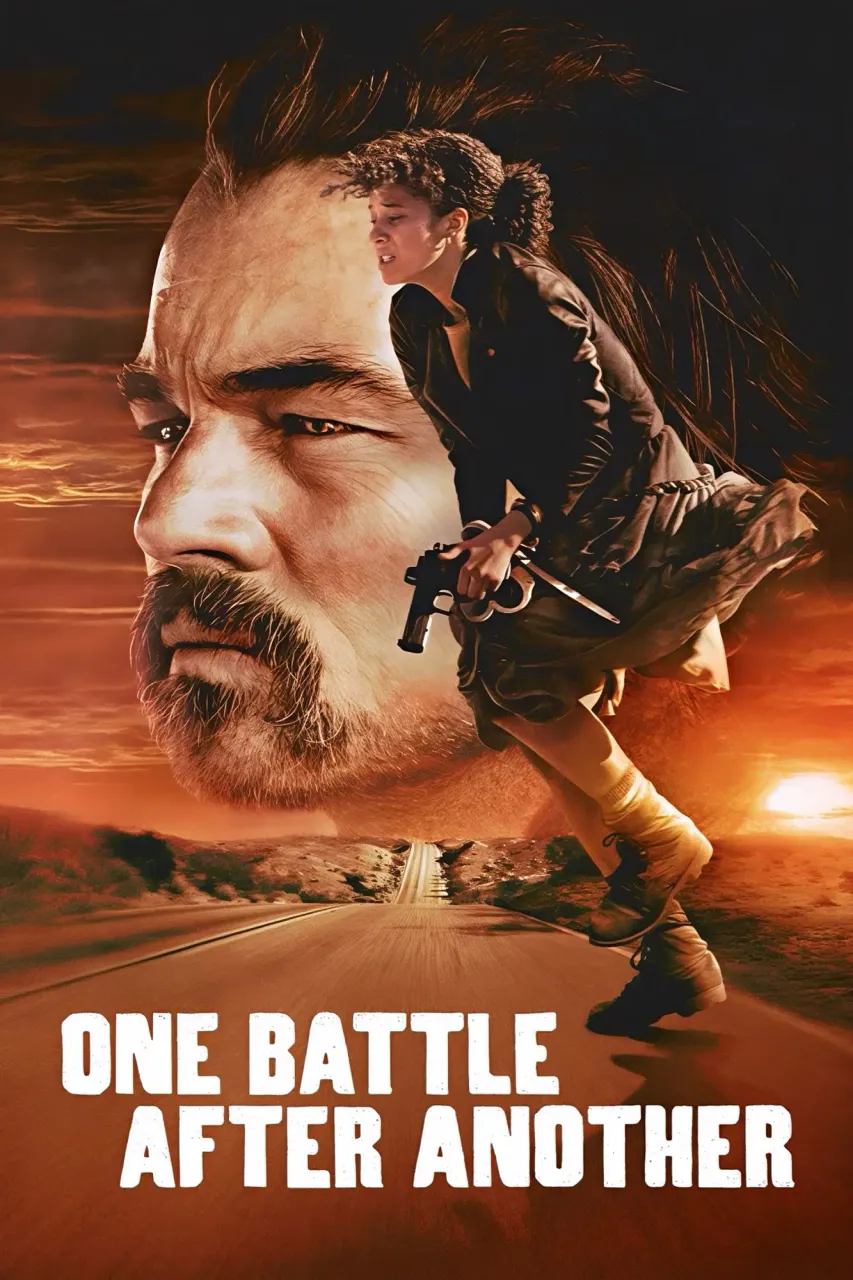
The plot revolves around a group of former revolutionaries who call themselves French 75 and who join forces to rescue a daughter, loosely based on Thomas Pynchon's novel Vineland.

A film that keeps you glued to your seat and surprises you; that dazzles, entertains and concerns you at the same time. It is capable of portraying harsh reality with details that bring us back down to earth, reminding us of the drama that hundreds of people experience every day. It touches on topics that are constantly in the news: the mistreatment of immigrants, political hypocrisy and supremacist discrimination. These are realities that shame us as human beings; those that some of us see and others refuse to acknowledge.

"French 75" is the name of a famous cocktail, a strong drink from the First World War era, which was said to be as powerful as a cannon shot. It is also the name of the "75 mm modèle 1897" (known as the "French 75"), the first modern artillery gun, famous for its revolutionary hydropneumatic recoil system that allowed it to fire rapidly without having to be re-aimed.
It was France's main weapon in the First World War and was widely used in the Second, even by the US Army.
It also takes us back to the French Revolution (1789): a movement that overthrew the monarchy to establish a republic, a key event in French history.
At times, the film evokes the atmosphere of the 1960s, but then jumps to more recent times. This temporal ambiguity makes it difficult to place ourselves in a particular historical period; I suppose it is a deliberate device to suggest that this type of shameful situation could occur at any point in history.

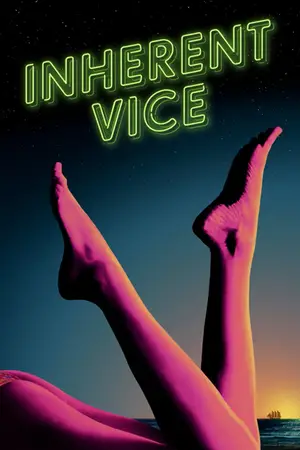
May 1968 in France was a mass protest against De Gaulle's authoritarianism and the traditional education system, which led to the largest general strike in French history. This student uprising in Paris in 1968, which almost overthrew the government, is an event that shares the spirit of struggle and resistance with the film. Both in the real history of Paris and in Pynchon's fiction, there is a tension where a group of "highly vulnerable and disorganised" individuals attempt to dismantle a perfect bureaucratic machine. But what came next was a real dismantling of the movement through violence and government repression, the breaking point where utopia turns into paranoia, a theme that Thomas Pynchon masters. ...in Paris —the transition from the "party" of the barricades to systematic repression— is at the heart of what Pynchon explores in novels such as Vineland and Inherent Vice: the moment when the state strikes back and erases all traces of freedom. This was also previously explored by PTA in Inherent Vice (2014).
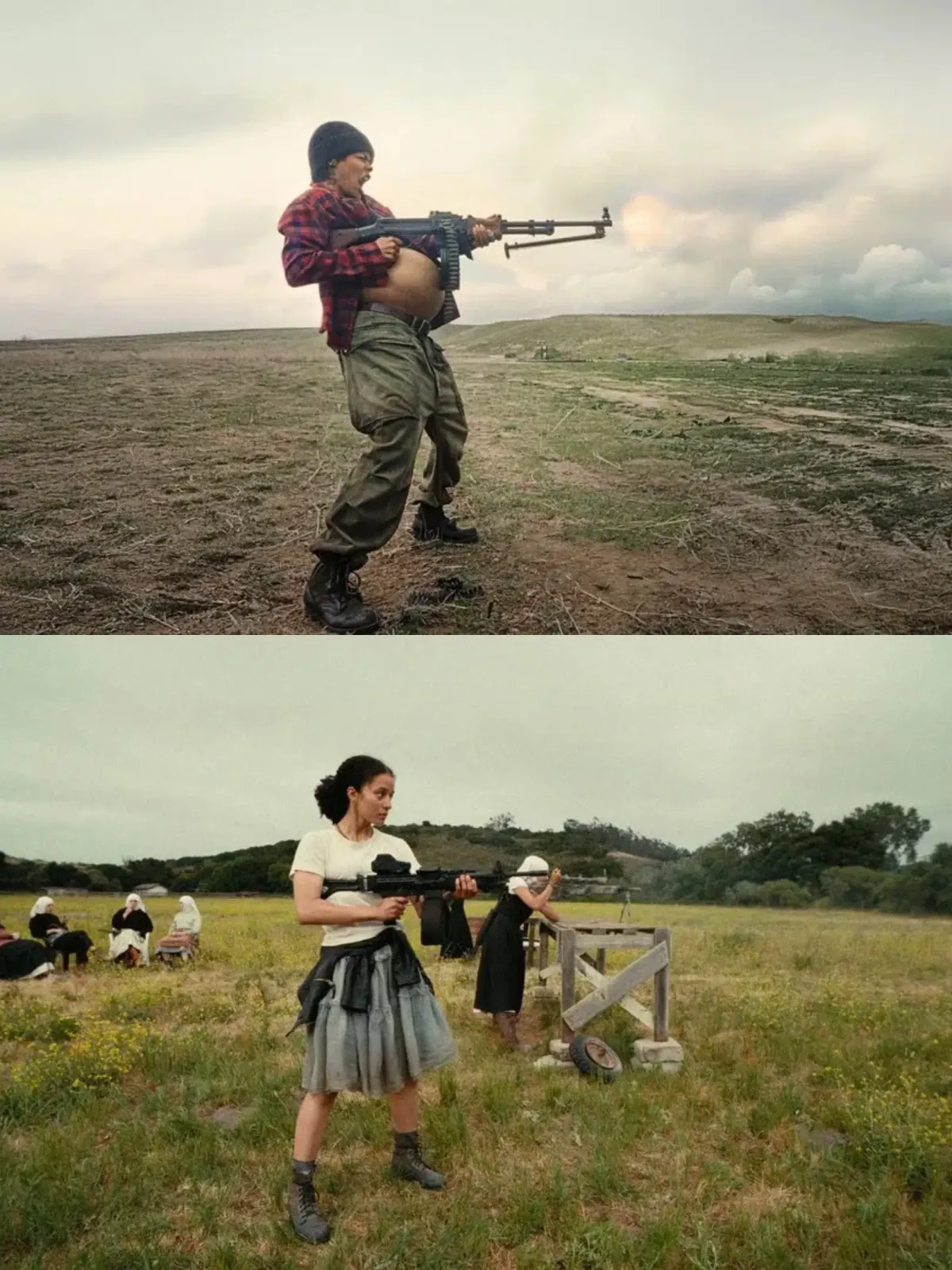
The film not only moves between mirrors of characters and narrative circles; visually, it is poetic and plays with parallels that immerse us in the story, giving us new sensations and interpretations of what is happening on screen.

The philosophy of «The Big Lebowski» is related to nihilism and stoicism. "The Dude" is an accidental revolutionary: his rebellion does not stem from political action, but from radical inertia. He distances himself from the competitiveness and materialism of modern society, prioritising inner peace without worrying about the absurdity of reality.
The similarity between Bob (Pat Calhoun/Rocketman) and the Dude is very curious. Not only do they resemble each other in their scruffy appearance, but also in their philosophy of life; Bob becomes a kind of local version of the Dude, sharing that vital detachment and resistance to the pressures of conventional success.
“Thank you, Sensei”
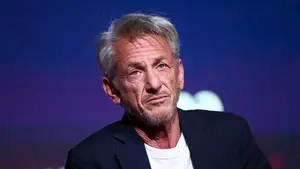
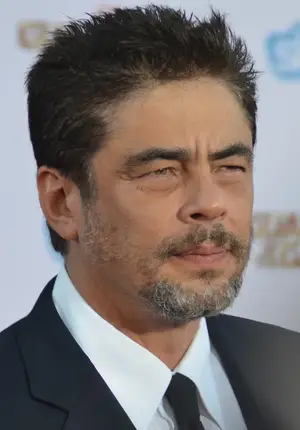
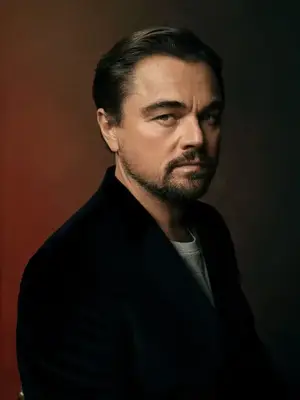
The performances are extraordinary. Leonardo DiCaprio , despite his sometimes comical interpretation, conveys a range of emotions that transport the viewer to each situation: from his infatuation and idealisation of early love, through the effort and frustration of not feeling like a fully responsible father, to his final anguish. All of this is interpreted in a totally convincing manner. Sean Penn , as we have come to expect, transforms himself into the character with gestures and attitudes that amaze; Teyana Taylor and Chase Infiniti Chase Infiniti are not far behind. However, it is Benicio Del Toro , in his brief appearance as Sergio St. Carlos, who steals the show. Amidst such vehement characters who are seemingly devoted to an ideology, he is the only one who, without much fanfare, has a real philosophy and fights for an honest cause.

Without a doubt, it is one of the best films of the year. It stands out from the titles on the lists of favourites that respond more to advertising and commercialism than to art and its demons.
On the one hand, films — including documentaries and even musicals — speak politically about the world we live in. The big question is whether art can be indifferent to suffering and injustice. The answer inside the cinema is a resounding no, while in interviews and press conferences, lukewarmness and fear of expressing one's thoughts often say yes.





Comments 6