Like Lady Bird
General Reviews
There are movies you watch and easily forget. Others get discussed for a while, enthusiastically recommended, and then fade among all the rest. But then there are those that stay with you. Films that aren’t so much seen as they are felt like a conversation about to happen, like a memory you didn’t realize you wanted to retrieve.
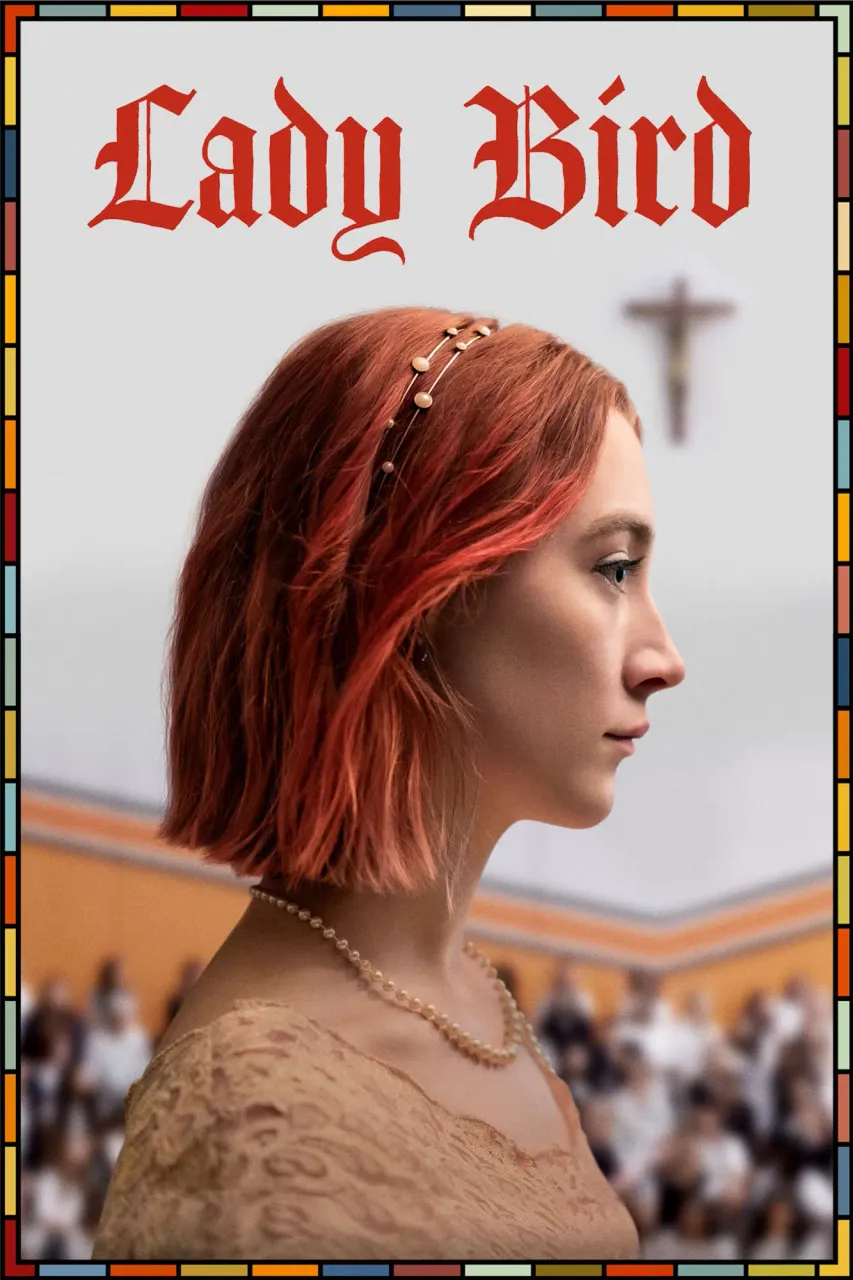
Lady Bird was one of those for me. Not because it told my story exactly, or because the characters shared my name or lived in my city, but because it made me feel accompanied in a way that was almost magical. It brought back that sensation of growing up not knowing which path to follow, filled with more uncertainties than anything else, with a heart beating too loudly over things the world keeps insisting are small.
I’m no longer that girl. Life has passed. I have more wrinkles, more memories, more losses too. I’ve endured pain I didn’t even know existed back then. I’ve known real love, and then the worst kind of goodbye. But when I finally watched Lady Bird, something inside me recognized the girl I once was. The one who didn’t know how to name what she was feeling, the one who wanted to take off and leave everything behind even though she had no idea where she was going. The one who felt uncomfortable in her body, in her surroundings, in her name. The one who longed for a different life, without knowing exactly what that life was.
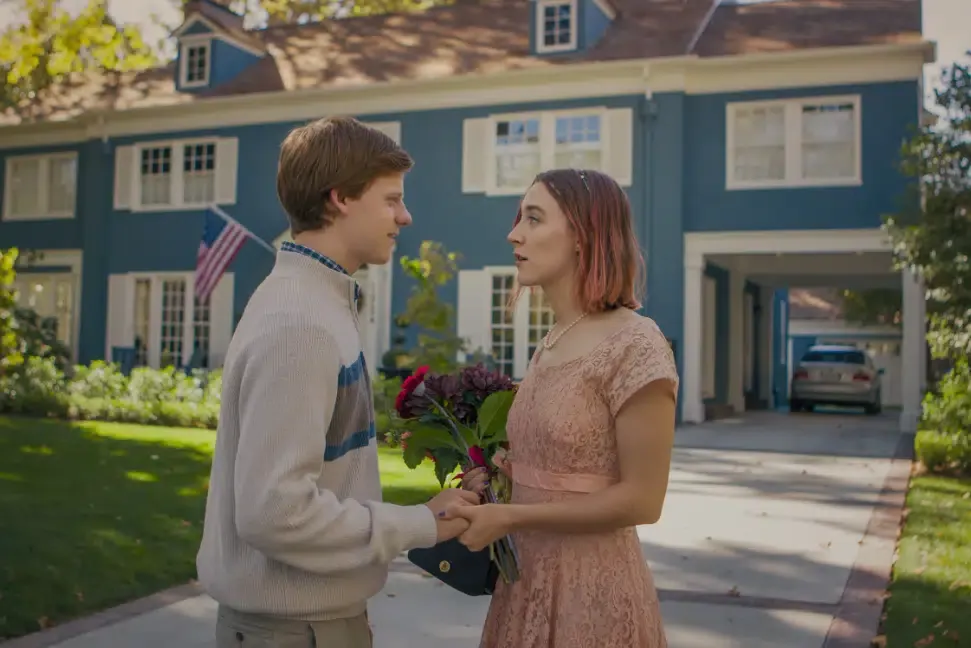
Watching that film felt like opening an old letter I never sent. I saw myself in Lady Bird not exactly myself, but still me somehow. In the compulsion to build an identity beyond what you’re told you should be, in that urgency to declare yourself to the world, to be heard and not forgotten. And also in the awkwardness of all those attempts.
Growing up, I’ve come to realize, is not an elegant or smooth process. It’s a process of many stumbles, silences, and mistakes that later become anecdotes or worse, lasting wounds. I remember especially the dynamic between Lady Bird and her mother. Not because it mirrored my own, but because it portrayed something deeply real: that bottomless love that doesn’t always know how to manifest itself. Conversations that start as overtures and end in fights. Hurtful words, even when said with affection. The empty spaces disguised as constant presence.
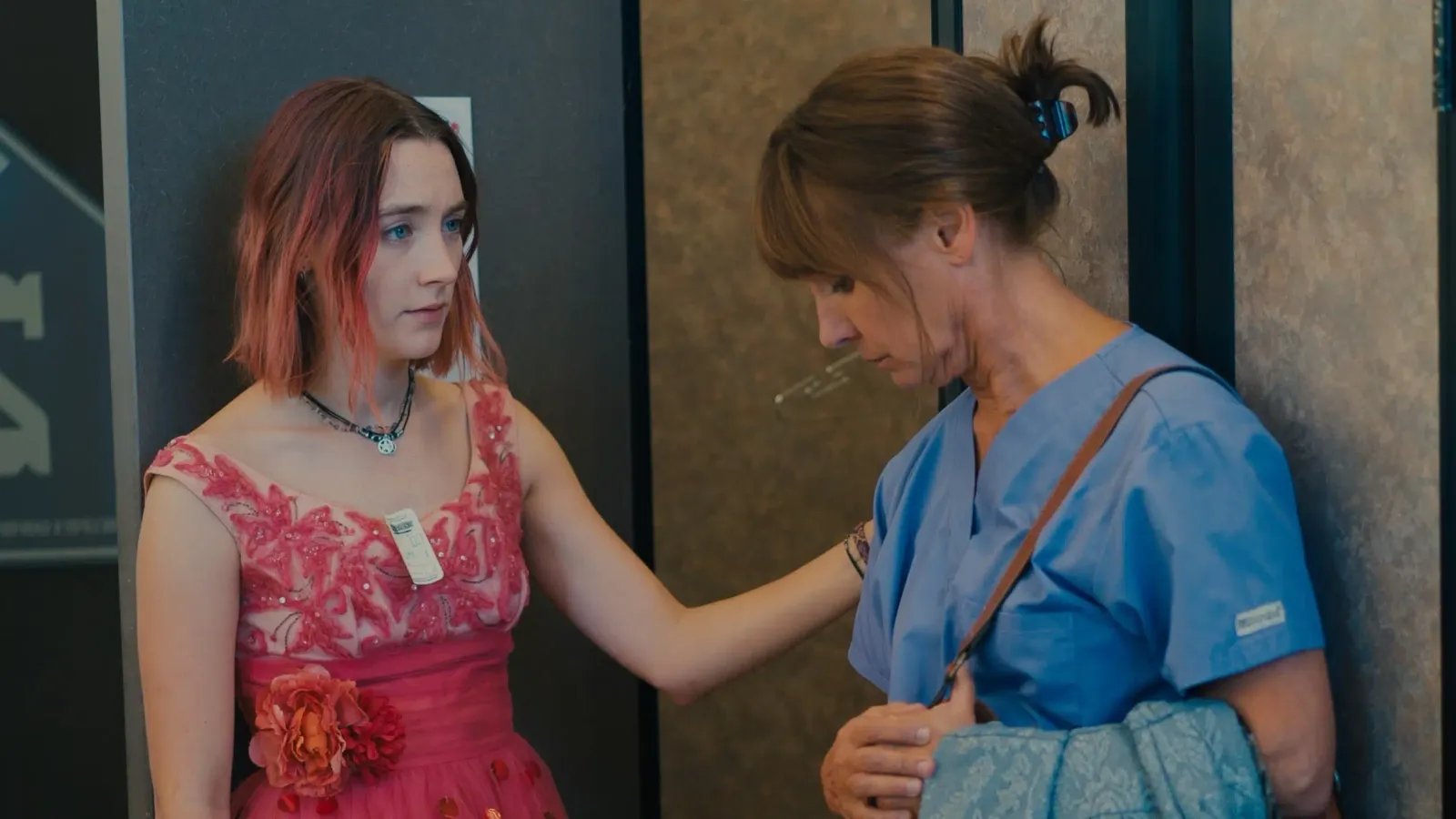
I lived that too. I also knew what it meant to love a mother you didn’t fully understand, and to feel you weren’t completely understood. Those were years of intense emotions. Everything felt definitive. One comment, that’s all it took to ruin your day. One silence could feel like an act of war. You cried over things I now consider trivial, but back then, they were everything. Like Lady Bird, of course, I too believed I had to leave home to find myself.
I also believed that in another city, with other people and another rhythm, things would be easier. More certain. More mine. It took me a while to realize that it wasn’t just the place it was how I inhabited myself. But to get there, I first had to leave even symbolically. I had to separate from parts of myself, from tradition, from borrowed dreams. I had to rename myself, just like Lady Bird rejected her given name. It’s not a minor anecdote. There’s something profoundly transformative in that gesture. To decide how we want to be called, how we want to be seen, even if we don’t yet know who’s really behind that new name.

I lied to become who I thought was cool, because I was insecure. I also betrayed people I loved just to fit into groups I thought were more important. I cried alone over things I didn’t know how to explain. Those memories, though distant now, made me who I am. They taught me the limits of my fear, but also the strength that emerged when I chose to keep going, even without knowing where I was headed.
I remember watching Lady Bird, and it felt like a pinch in my chest. Not in the spirit of nostalgia, but in the spirit of recognition. Because someone was finally speaking, plainly and directly, to a teenager trying to find her place in the world. Speaking to that chaotic stage, that awkward metamorphosis, when you begin to sense that there may never be clear answers but you have to keep asking anyway.

We didn’t talk much about pride back then. There were no empowering speeches or social media statuses to repost. There were secret diaries, torn-up letters, sighs in the mirror. Pride was quieter, more internal. It was built in small acts of rebellion that people didn’t always understand. Like wearing the too-tight outfit everyone talked about. Like saying no. Like writing poetry when no one expected it.
Lady Bird made me feel proud of the version of myself who, even while afraid, was already brave. It reminded me that growing up is also an act of resistance. That searching for where you belong in the world is, in itself, a way of declaring yourself alive.

There’s a scene that really stayed with me. It’s not grand. It’s just Lady Bird moving through Sacramento the place she couldn’t wait to escape. And in her gaze, in that silence, there’s a recognition of love. Because only when we leave can we truly realize what we knew. Only when we step back can we see things clearly. And how beautiful, I thought, to reach a point in life where you can look back without bitterness. Without sadness. With gratitude.
The film gave me that. A chance to be kind to myself. To value my journey, with all its light and darkness. To know that, even if I didn’t always know how to love myself, I was always trying. That for all my failures, every attempt was also an act of resistance. That despite everything that hurt me, I never questioned whether I deserved more. Somehow, even then, I had faith faint but steady and it brought me here.
Now I watch Lady Bird with new eyes. I’m no longer the confused young woman from the book of Ruth, but the mother who doesn’t know how to parent without trying to control the outcome. The woman who loves too much and sometimes hurts by accident. I see the wear in her movements, the desperation of not having answers. Now I can understand what I once judged so harshly. Because growing up also means learning not to see everything in black and white, but learning to live in the gray.
Over twenty years later, and I’m still moved knowing that a girl watches this film and loves it. That maybe she’s as lost as I once was. That maybe she can’t yet put her experience into words, but finds, in a film like this, a common language—a silent friend. And I’m grateful that art like this exists. That cinema is still a mirror, a refuge, a hug.
Lady Bird didn’t change my life. But it certainly helped me understand it—because it allowed me to name old wounds, to forgive mistakes, to celebrate decisions that seemed small at the time. It reminded me that the girl I was—confused, intense, awkward, brave—deserves to be remembered with tenderness, not shame. Sometimes I think about speaking to that version of myself, sitting on the edge of a bed. Me, with my stories and my years, looking at her with love. And her, with all her dreams, listening without judgment.
From that place, in that imagined meeting, I would tell her everything was okay. That she did the best she could. That it was enough.
Thank you, Lady Bird, for building that bridge between who I am and who I was. For showing me that a younger version of ourselves still lives inside us—and deserves love. And that the truest pride isn’t always about having gone far, but simply about surviving ourselves with dignity.


Comments 4