
Robert Bresson
Cast · Writer · Director
- Born
- September 25, 1901 · Bromont-Lamothe, France
- Died
- December 18, 1999
"For me, film-making is combining images and sounds of real things in an order that makes them effective. What I disapprove of is photographing things that are not real. Sets and actors are not real." Bresson's directing techniques were marked by a minimalist approach. He preferred to work with non-professional actors, whom he referred to as "models," to achieve a sense of naturalism and authenticity. This choice reflected his belief that professional actors often brought a sense of artifice to their performances. Bresson would rehearse his actors extensively and have them deliver their lines in a flat, emotionless manner to strip away any theatricality and focus on the purity of the moment. Another hallmark of Bresson’s style was his meticulous attention to sound. He often used off-screen sounds to enhance the narrative, creating a sense of space and realism that extended beyond the visual frame. His editing style was also distinctive, characterized by precise cuts and a deliberate pace that demanded the viewer’s full attention.

Robert Bresson: The Aristocrat of the Left and the Existentialist

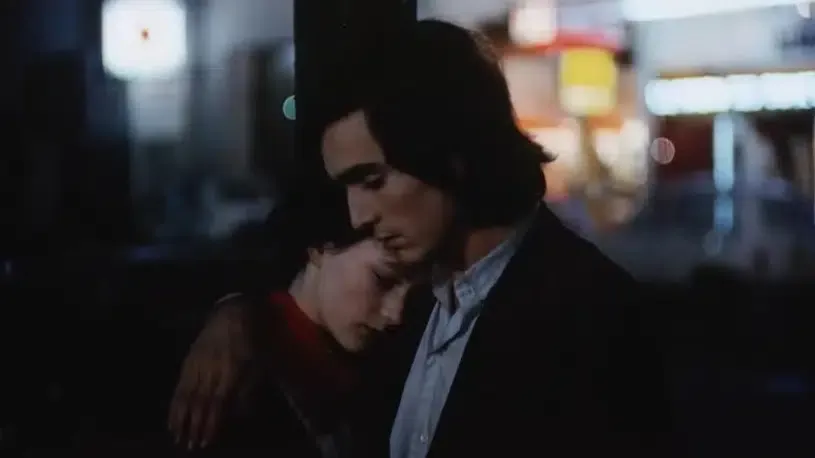
Film and the Body——The Disintegration of the Soulmate Imagination

Animal Representation in Cinema

The Delinquents: Argentinian Filmmakers Crafting Fiction in a World of Inflation

Corazón salvaje y En el cielo: dos películas de amor fuera de norma

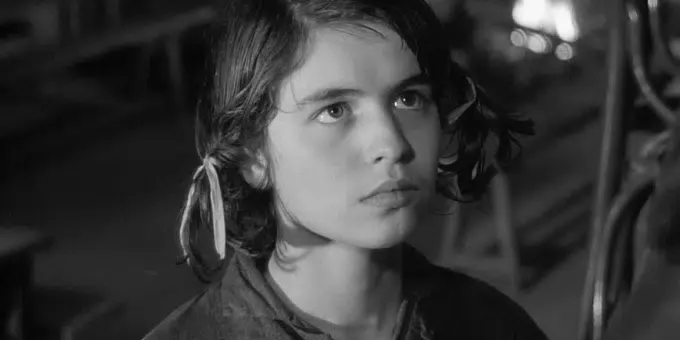
Bresson e o sofrimento de Mouchette


Cuando el cine tira del gatillo // Nuestra fascinación por la delincuencia


Entender lo Bello que es no Entender: Un Perro Andaluz, de Luis Buñuel


Peckinpah, Hellman, Bresson


¿Qué hora es allá? y Los 400 golpes (tercera y última parte)
¿Qué hora es allá? y Los 400 golpes (segunda parte)

¿Qué hora es allá? y Los 400 golpes (primera parte)

Actores, personajes y el bressoniano

Lecciones de idealismo: sobre "Diario de un cura rural" (1951)

Una ópera prima maestra: sobre "Ascensor para el cadalso" (1958)

La modernidad en duelo: Le Pornographe (2001) de Bertrand Bonello

Grandes debuts: Desapareció una noche de Ben Affleck

La Venganza de “La Sumisa” para Dostoyevski y Bresson


Los anillos de Alphaville: Godard, Kubrick y dos computadoras autócratas


Star Wars y Duna: Generaciones (parte 2)