A Very High-Tech Degradation
Sociocultural
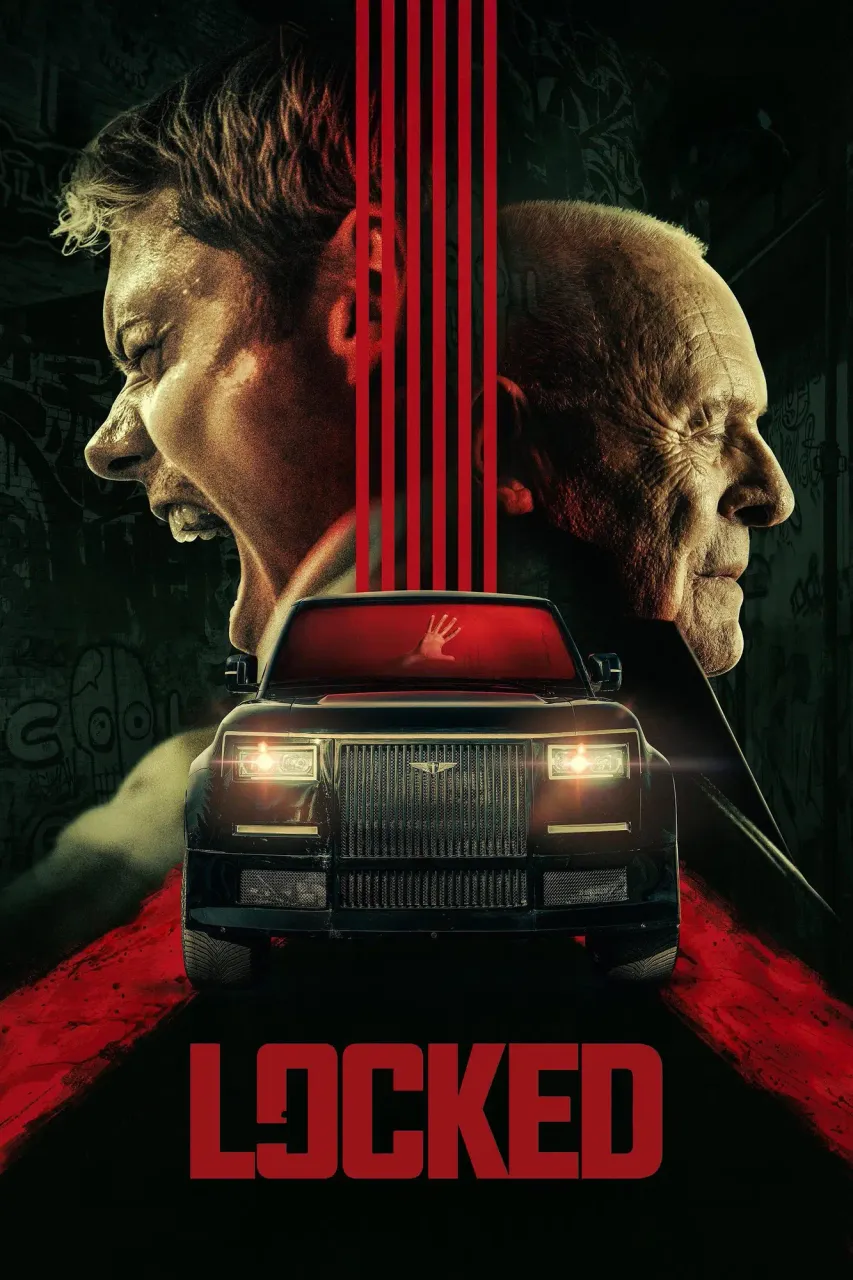
There is an old, distinctively middle-class lie about how we behave when the sky falls. Cinema usually sells us a very dignified brand of panic, the sort of elegant, jaw-clenched terror where the protagonist looks noble even while bleeding from the temple. But if you have ever actually found yourself trapped, or cornered, or even just hopelessly lost in a public place, you know the absolute truth of the matter. Fear is not majestic. Fear is profoundly, deeply embarrassing. It is a messy, sweaty, uncoordinated business that strips away whatever fragile social veneer we spent the morning pasting together. This is the precise psychological nerve that David Yarovesky presses his thumb into with Locked, a thriller that understands that before horror becomes deadly, it becomes intensely humiliating.
Consider the setup, which is almost minimalist in its cruelty. A low-level thief named Eddie, played with a brilliant, ragged desperation by Bill Skarsgård, steps into what he thinks is an easy score: a sleek, high-end luxury SUV parked in a quiet lot. The door is unlocked, the interior is plush, the opportunity seems gifts from the gods of petty crime. But the moment he steps inside, the trap springs shut. The windows are heavily tinted, the body is bulletproof, the signal is dead, and the doors are resolutely sealed from the outside. Soon enough, a voice crackles through the speaker system. It belongs to Anthony Hopkins, playing William, a wealthy, detached vigilante who has engineered this vehicle as a literal cage to inflict his own twisted, punitive brand of justice.

What follows is not a series of heroic escape attempts, but a deeply uncomfortable deconstruction of human dignity. Yarovesky refuses to give Eddie the satisfaction of looking cool. Instead, we watch a grown man lose his grip in the most awkward ways possible. He smashes his face against unbreakable glass, he pants, he begs, he triggers the car alarms that blare in mockery of his confinement. When William begins to manipulate the car environment remotely, freezing Eddie out or tasing him through the upholstery whenever he talks back, the violence feels less like a traditional horror film and more like a cruel, playground bullying session scaled up to an industrial level. Skarsgård uses his entire lanky frame to convey the sheer, unglamorous awkwardness of a body in total panic. It is a performance of fluid fluids, of snot and sweat and undignified yelps. This is fear as it actually happens: lonely, desperate, and ridiculous.
This brings us to the deeper, more unsettling layer of the film, which is its sharp reflection of how we live now. The modern luxury vehicle, with its heated seats, climate zones, and total isolation from the outside world, is the ultimate monument to contemporary loneliness. We spend immense sums of money precisely so we do not have to interact with the world outside our windows. In Locked, this desire for total separation is turned inside out, becoming a psychological prison. Being trapped inside this state-of-the-art cage feels horribly identical to the experience of modern digital existence. It is the cinematic equivalent of being stuck in a doomscrolling loop, or staring into the blank, uncaring glow of a smartphone screen at three in the morning while your battery dies.

Eddie is completely visible to his captor, yet entirely disconnected from the rest of the world. Passersby walk right past the vehicle, oblivious to the man screaming just inches away behind the darkened glass. It is a perfect metaphor for the psychological violence of modern isolation, where you can be surrounded by a crowded city or thousands of online followers, yet remain utterly, violently alone. The car is an extreme version of our own self-imposed bubbles, the spaces where we lock ourselves in to avoid the friction of real life, only to find that the walls we built for comfort have become our cells.
Yarovesky manages to inject a streak of dark, pitch-black humor into this nightmare, mostly through the sheer absurdity of the power dynamic. There is something fundamentally hilarious, in a terrible way, about a man being electrocuted by a luxury leather seat because he swore at a disembodied voice. Hopkins voices his character with a chilly, grandfatherly condescension that sounds like an tech support agent who has completely lost his mind, treating Eddie's genuine terror as a minor customer service dispute. The film thrives on this tension between the high-tech, pristine environment of the SUV and the raw, primal degradation of the man trapped inside it. By the time the credits roll, Locked leaves you with a lingering, uncomfortable shiver. It forces you to realize that our modern world is full of these comfortable, seamless traps, and that if we ever happen to trigger the lock, our survival will look nothing like a movie.





Comments 1