When IP Runs Its Course
Sociocultural
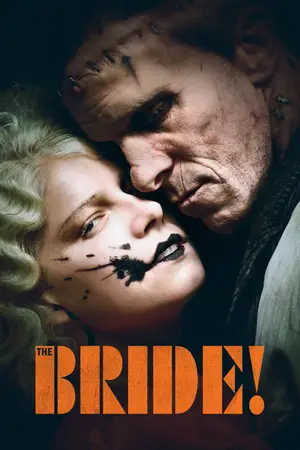
So, I watched The Bride! last week…
The exclamation point is present because that is how the title is stylized, not because I am excited about the film. To call it a “mess” would be an oversimplification. The Maggie Gyllenhaal-directed film stars Jessie Buckley and Christian Bale as the Bride and Frankenstein’s monster aka Frank. Inspired by James Whale’s 1935 film The Bride of Frankenstein, The Bride! is a film that looks to continue the legacy of Mary Shelley’s 1818 novel, Frankenstein.
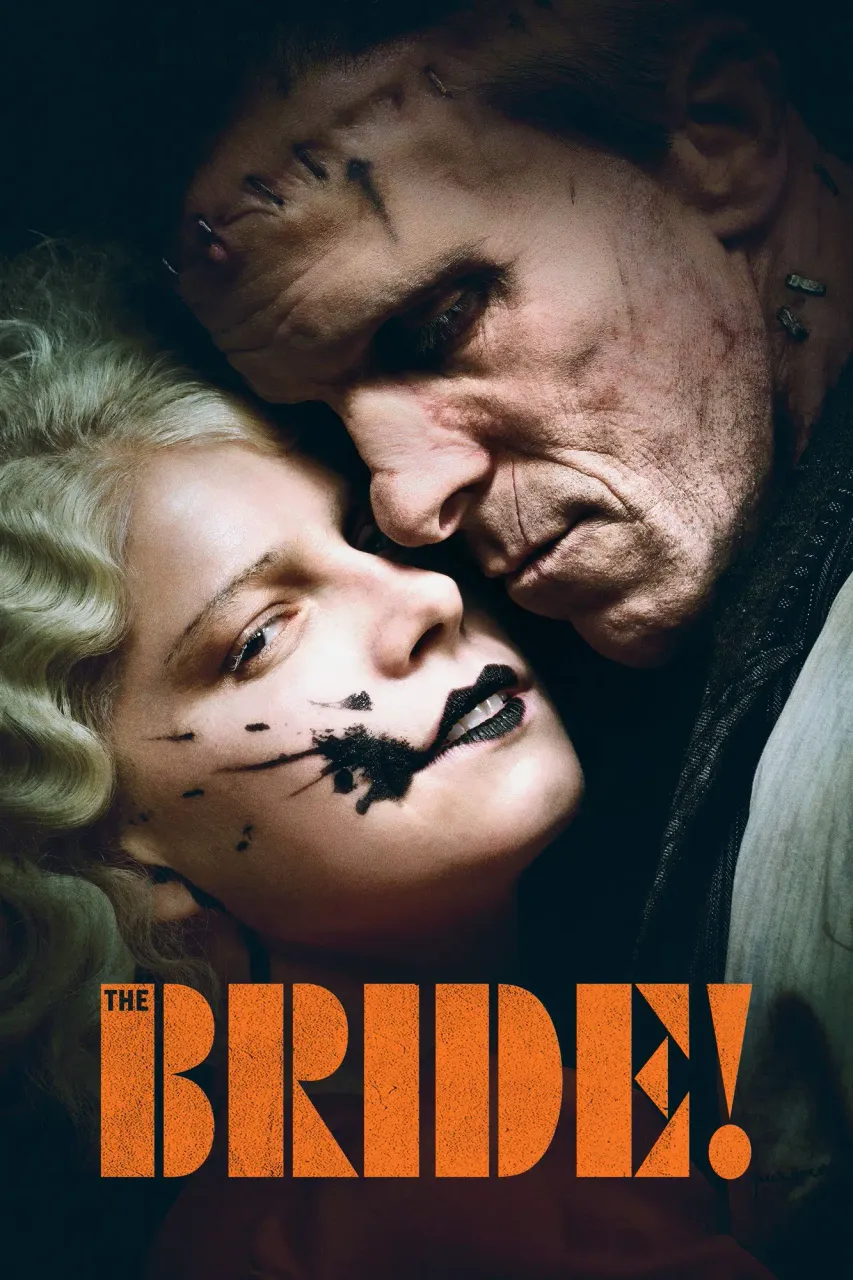
Unfortunately, I have not stopped thinking about how poorly structured this film is. Maggie Gyllenhaal went to the plotline store and bought as much as she could, even managing to sneak out with a few more plotlines hidden inside her jacket. The film opens with Mary Shelley speaking from the afterlife about not being able to tell another story after Frankenstein due to her death. She then decides to possess a woman named Ida in 1930s Chicago with connections to a crime boss... What?
The film has left me thinking about IP (intellectual property) and the role it currently plays in film. From iconic book and video game adaptations to films based on toys and brands, IP has permeated the film landscape for as long as I can remember. However, I’m starting to wonder if and when IPs need to be laid to rest. Currently, there are over 400 films that contain depictions of Frankenstein’s monster. Yes... 400. Of course, these are not all adaptations. Considering that the novel is in the public domain, it is no surprise that writers and directors are eager to put their spin on the brilliant story that Shelley crafted. Still, I’m left feeling conflicted. On one hand, I love that stories like these continue to be given new life for modern audiences. They stand the test of time, which is something I feel all powerful art should do. On the other hand, I am frustrated by the endless adaptations, which often leave me feeling underwhelmed.
Last year, we were given Guillermo Del Toro’s critically acclaimed take on Shelley’s novel. I’ve had conversations with many people about the film, most of whom are massive fans of the source material, which in turn meant they had many gripes with the film. I enjoyed the film, but there is something about adaptations that feel tainted to me. A lot of the time, I can’t help but make comparisons to the other adaptations or similar films. It is unfair, but almost inevitable.
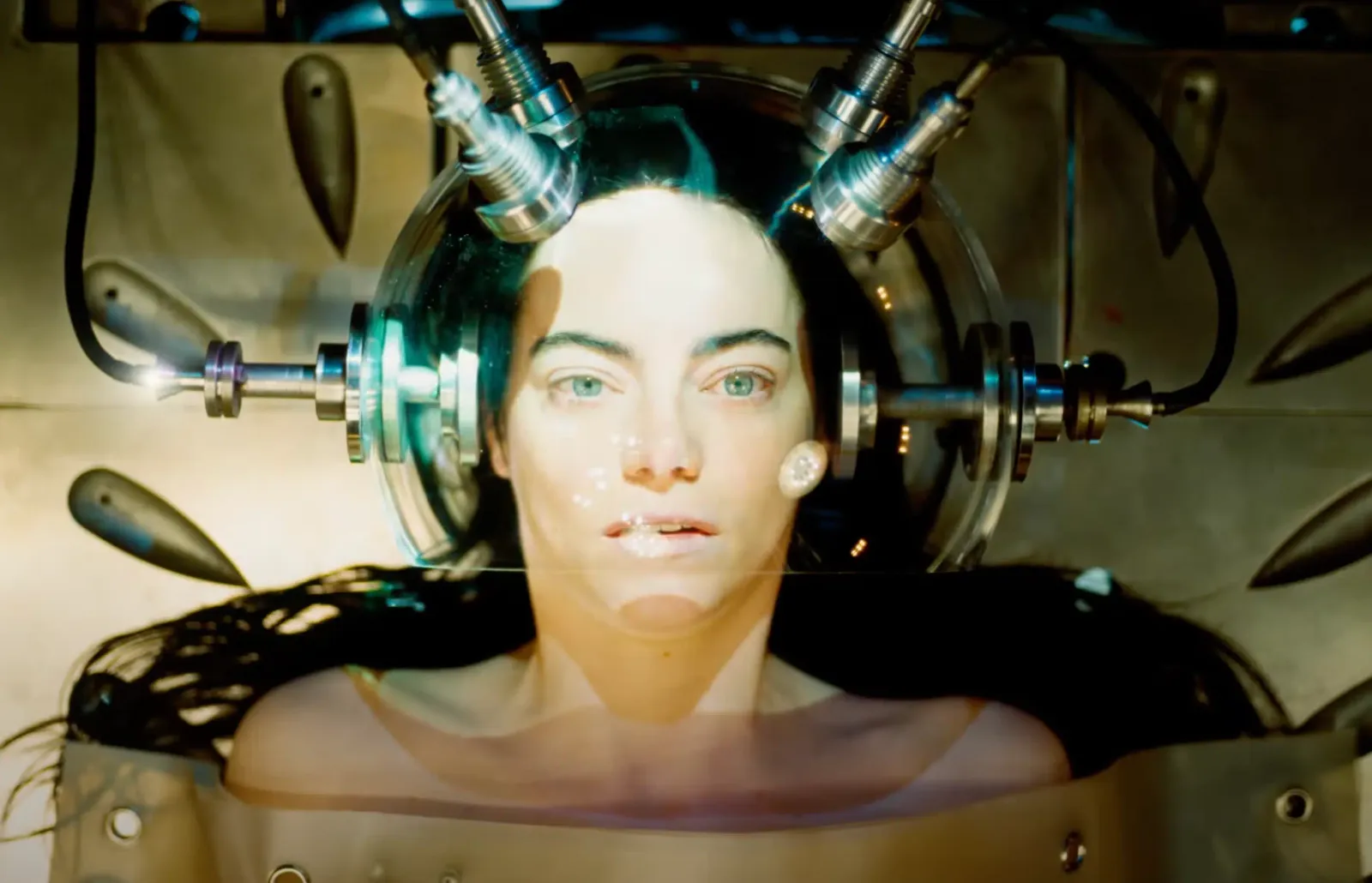
Personally, I believe the greatest “Frankenstein” film is Yorgos Lanthimos’ Poor Things. Adapted from Alasdair Gray’s 1992 novel, which was inspired by Frankenstein, Poor Things (and similarly, Gray’s novel) thrive because they are not adaptations. The film changes the book’s setting from Victorian Glasgow to a retrofuturist Victorian London, but the main plot remains the same; after being brought back to life via a brain transplant by a mad scientist, a young woman named Bella Baxter traverses the world in search of liberation. Here, Frankenstein is an inspiration for Poor Things, which allows for an artistic freedom not found in the constraints that a “faithful” adaptation calls for. Despite my mixed feelings about The Bride!, it offers a glimpse at taking source material, like an older film, and creating what feels like a new story. The inspiration of IP unfortunately fails here because it is overshadowed by stupid storylines and uninspiring camp.
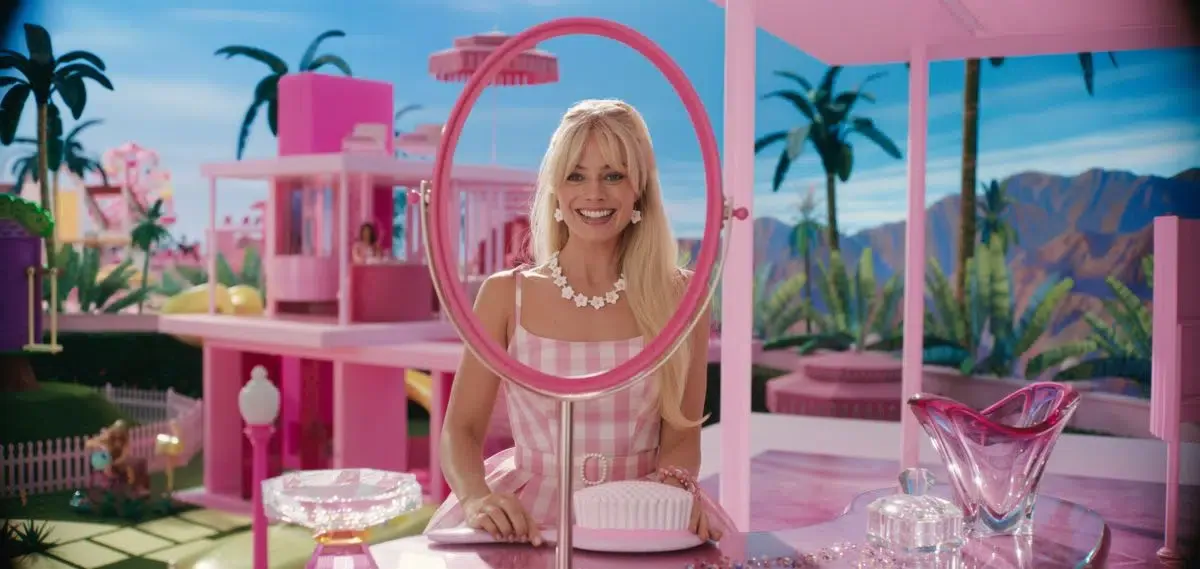
My whole thing is... What is the point of utilizing IP if you’re going to add so much else to your film? Maybe I’m just too much of an original story warrior to ever feel fully motivated by most films that have an attachment to IP. I would much rather watch what I consider to be a bad film with no ties to anything else than watch a safe adaptation of a novel or IP that I feel has been done to death. I feel like this is why Barbie (2023) was such a massive success. It was based on the phenomenon that is Barbie, but that is not why it worked. Greta Gerwig’s vision for the film was not limited to merely using the imagery of Barbie and the associated character. There is a self-awareness and meta nature to the film that sets it apart from other IP-driven films, in the same vein as 1985’s Clue. If all directors and writers approached IP with this sort of vision, I think I would be a little more open to these kinds of films.
In my Letterboxd review for The Bride!, I mention the idea of parts not coming together to make a whole; a reference to Frankenstein’s monster. This is what a lot of films based on IP feel like to me. They’re constructed in a way that feels like they are trying to check referential boxes. I – a world-renowned writer and director – would like to suggest that directors give popular books and IP a break for a bit. Imagine how interesting and stimulating film would feel if original stories took the lead for a bit... I feel like that’s the most I can do currently; imagine.


Comments 6