Do I Think Like the Villain?
Characters
Do you ever question whether you're a good person? I do. I think about how, on the one hand, I don't like to speak ill of anyone, if someone asks me for a favor I usually help without hesitation, and I don't harm anyone (at least not intentionally). But on the other hand, I think truly good people are those who don't eat animals, who help the community, who are volunteer firefighters, and so on.
Anyway, the final conclusion is usually that I consider myself a good person (I think we all believe that about ourselves, right?), but another thing that makes me doubt this a lot is my moral philosophy. I believe that the correct ethics is utilitarianism, which holds that the best action is the one that brings the greatest utility (pleasure, happiness, well-being) to the greatest number of people. For example, in the famous trolley problem where three people are about to be run over by a trolley but one can pull a lever to change lanes and run over only one person, for me it is obvious that the correct thing to do is to pull the lever. The problem is that this idea of "the end justifies the means" is generally the way of thinking of movie villains!

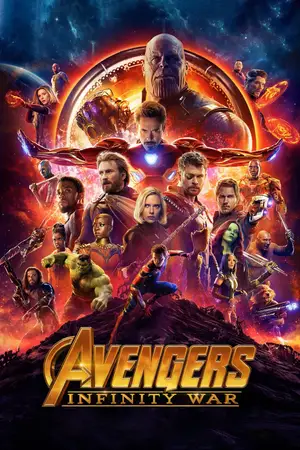
Let's think about Thanos, the great villain of Infinity War and Endgame. We know that his idea that the only way to save all the societies of the galaxy from collapse was to reduce them by half was wrong, since there were other options such as giving them infinite clean energy (which in fact Earth already has in the MCU with the arc reactor) or technology to colonize other planets, but let's pretend that he was actually right because in this fictional universe, nobody ever argues otherwise. I think that killing half the universe to ensure the survival of the other half would definitely be the right thing to do, especially if done randomly as Thanos intended, and it's a shame that we don't see a single debate about this in the film.
Since we're on the topic of this big Avengers event, I also would have liked to see the heroes who survived the snap discuss whether time travel and bringing everyone back was the right thing to do, given that five years later the world was more united with open borders, more jobs, more housing options, etc., and that obviously reviving everyone would cause enormous chaos. Of course half the life of the universe is worth causing a little social chaos on Earth, but discussing it wouldn't have been a bad idea.

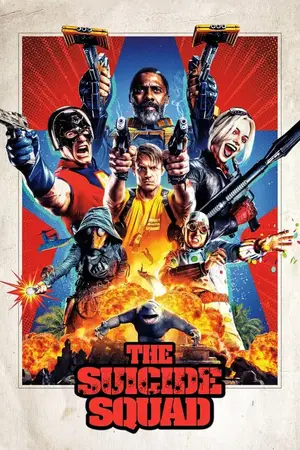
Sticking with the superhero genre, another villain I partly support is Peacemaker from The Suicide Squad. As you may recall, the character's motto at the time was to maintain peace no matter how many men, women, and children he had to kill, which ultimately led him to clash with Rick Flag when part of the team discovered that the US government, in collaboration with Corto Maltese's dictatorship, was conducting inhumane experiments. Rick Flag wanted to expose him to the media in search of justice, but Peacemaker reasoned that a scandal of that magnitude would end the peace (I imagine he meant that it could trigger a war in which many more would die, and not that there would be a diplomatic scandal and that's it). If the DCEU's international politics were like those of our world, I highly doubt there would have been any wars because no country would have cared that much, but again, if in that world it was a high possibility, I have to support Peacemaker.
However, later in the series, we see that the character begins to be less extreme while still maintaining a utilitarian philosophy, and there he is shown as a hero (or rather an anti-hero). We see it, for example, in his refusal to kill children simply because he is ordered to do so without being certain firsthand that they are a danger, but mainly in the final dilemma where he has the possibility of allowing a global alien invasion of creatures that possess the body and are peaceful, but he reasons correctly that free will and freedom are not a price to pay for peace.
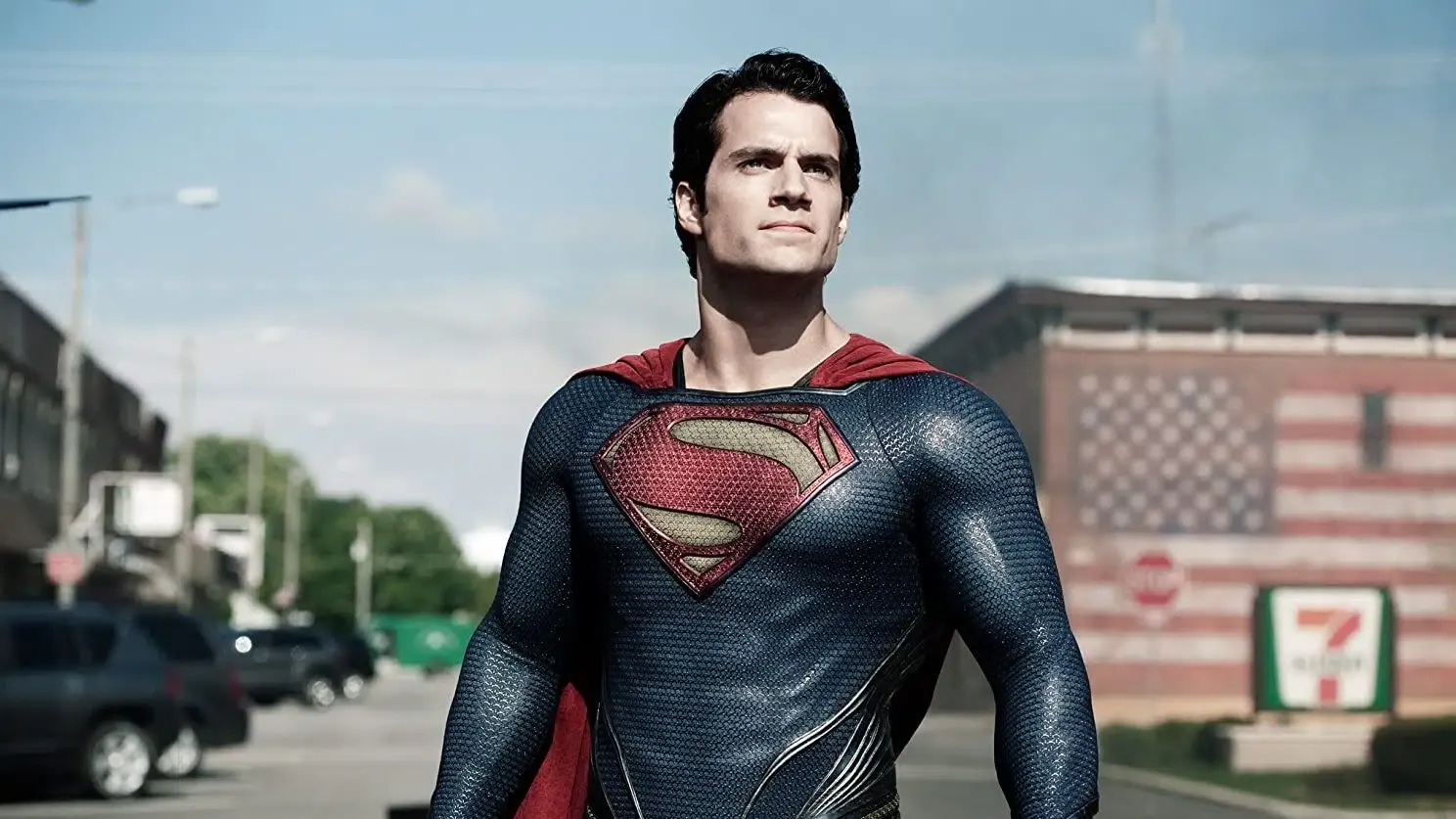
And so I could go on mentioning characters who, because they are a little colder and more analytical, are generally seen as evil people, and it makes me wonder if it's really wrong to be like that, like a certain character from Watchmen that I don't want to spoil, but luckily, just like Peacemaker, there are actually characters who highlight the value of utilitarianism a little more. A simple example would be any superhero who doesn't have a moral code of not killing but also doesn't go around killing all criminals without believing in redemption, characters like Zack Snyder's Superman who understand that sometimes killing the villain is necessary to save lives. I suppose the real key to whether a character with this type of thinking is shown to be good or not is that there is no doubt that the choice made has no other more friendly alternatives, even though not taking the risk in these hypothetical situations could be more terrible than doing so.
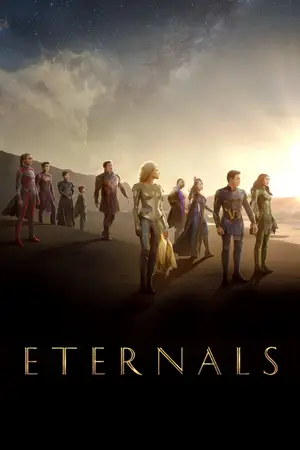
I don't want to end this article without digressing a bit to talk about a movie that didn't make me doubt whether I'm a good or bad person, but it did make me question what the right action was according to my morals because it takes the trolley problem to a very difficult level, and I'm referring to Eternals. In this underrated Marvel movie, the Eternals were faced with the choice of letting the Celestial inside Earth be born and destroy the planet in the process, or stopping it and saving humanity. Ikaris, loyal to his creators, believes that the life of the Celestial is worth more, because upon being born it will create entire galaxies with life, making the choice not to kill billions to save a single life but to kill a planet to create hundreds. While their companions, on the contrary, believe that humanity is not just any life form, they are responsible for reviving half of the universe, so they may be more important and irreplaceable than a Celestial. Neither side seems entirely right or wrong, especially considering that humanity's self-destructive tendencies could also do a lot of harm to the universe (cough cough Kang and Dr. Doom), but given the uncertainty, I suppose Sersei's group has a more convincing argument than Ikaris.

In the end I ended up talking only about superhero movies even though that wasn't the original intention, but I guess that's not a big surprise coming from me haha, I love the genre especially when it asks interesting moral questions. This cinema exists not only to entertain us but also to make us question how much freedom to give to the government, to what extent to defend the status quo, or whether or not we are good people.


Comments 2