Blood, screams and the forest: My love letter to Canadian Horror!
General Reviews
As mentioned in some of the other articles in this month's “Cinematic Canada” writing challenge, most Canadian-made films unfortunately fly under the general public's radar. Wether that's because of “The Hollywood Overshadow” or distribution barriers, it's a shame. Since I believe the Great White North has a special knack for films, specifically within the horror genre.
Under representation aside, I feel lucky to have my own special relationship with my home country's horror films. I grew up watching cinema that really showcased the aspects of Canadian horror that make it so special. Unique landscapes, isolation, dry humour and eerie politeness. These films made me feel excited and SEEN in a weird way, to this day I have a hard time explaining exactly why that is. As a child, I was completely drawn in and inspired, I knew early on that these films were going to be a part of my life forever. Discovering this side of Canadian cinema felt like finding my creative home, a place where I could express myself and be as weird as I wanted. Watching these films not only shaped my taste; they helped me discover my passion in life: writing and directing horror films!
Without Canadian horror films I wouldn't be the person I am today, so here are a few I'd like to give recognition to.
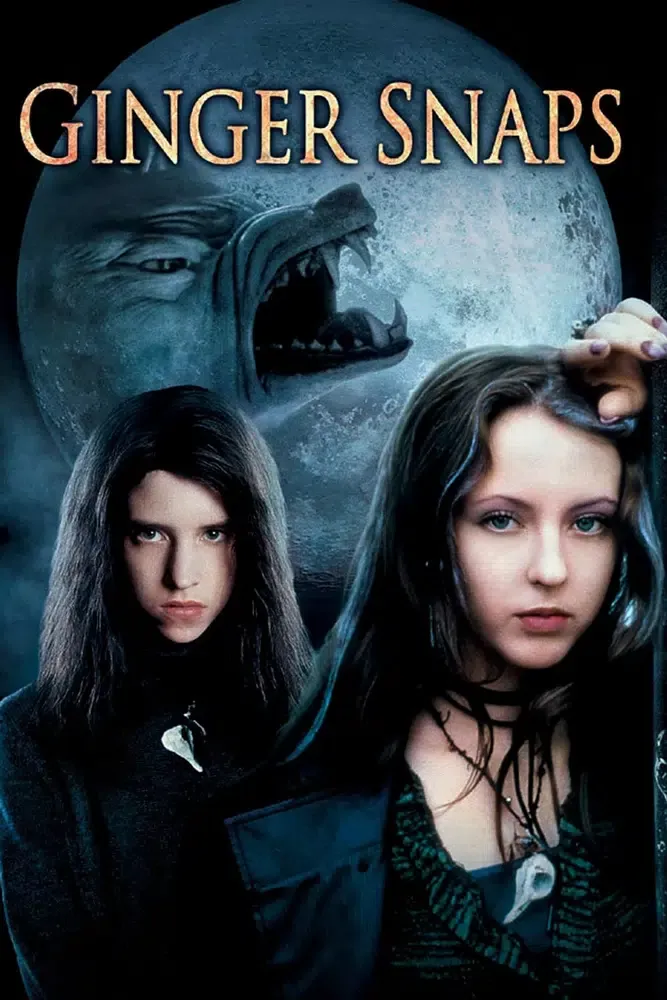
Now you can't have a discussion about Canadian horror films without bringing up John Fawcett's Ginger Snaps. Few films feel as distinctly Canadian as this one. Shot in residential Ontario and starring Vancouver queens Katharine Isabelle and Emily Perkins, it's tone is steeped in a mix of small-town boredom and suburban bleakness. Besides the werewolf transformation, this film captures the experience of growing up as an outcast teenager (such as myself) in Canada, feelings of alienation and rejection brought on by a society of people known for being nice.
Unlike werewolf films from the U.S., that often go big and loud (An American Werewolf in London, The Howling), Ginger Snaps goes inwards. It's less about the external scares and more about the emotional transformation of going through puberty. The scariness of change, of being misunderstood, of becoming something you can't control. The introspective, melancholic edge paired with practical effects and the authentic feel of a small-town up north - make it a perfect representation of Canadian horror: bleak, darkly funny, and quietly devastating.
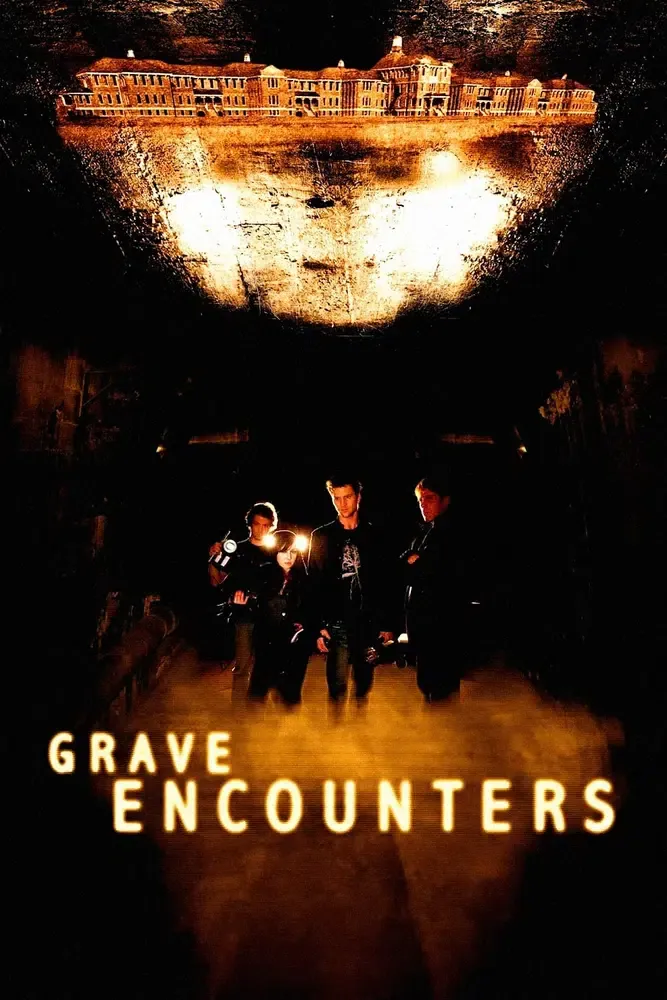
Another classic Canadian horror film that immediately comes to mind when discussing this topic is The Vicious Brother's Grave Encounters. Shot in the real and extremely haunted (speaking from experience) Riverview Mental Hospital in Coquitlam, B.C.. This found-footage nightmare was made by Vancouver locals who turned their indie resources into something unique and genuinely terrifying.
Yes, many found-footage films about a crew of paranormal investigators have been made before but most relied on shaky cam, relentless screaming and quick edits. Grave Encounters plays a bit more of a methodical game, it's patient, immersive and disorienting in a way that feels like reality itself is collapsing. The aspect of this film that really sets it apart is unlike most of it's counterparts that rent fancy locations or studios, Grave Encounters is shot in a legitimate ghost-infested, abandoned building and uses the real items (wheelchairs, patient beds, etc.) that were left there as set dec. It's a film that showcases Canada's ability to make something successful out of a modest budget, relying on tension and atmosphere instead of Hollywood gloss.
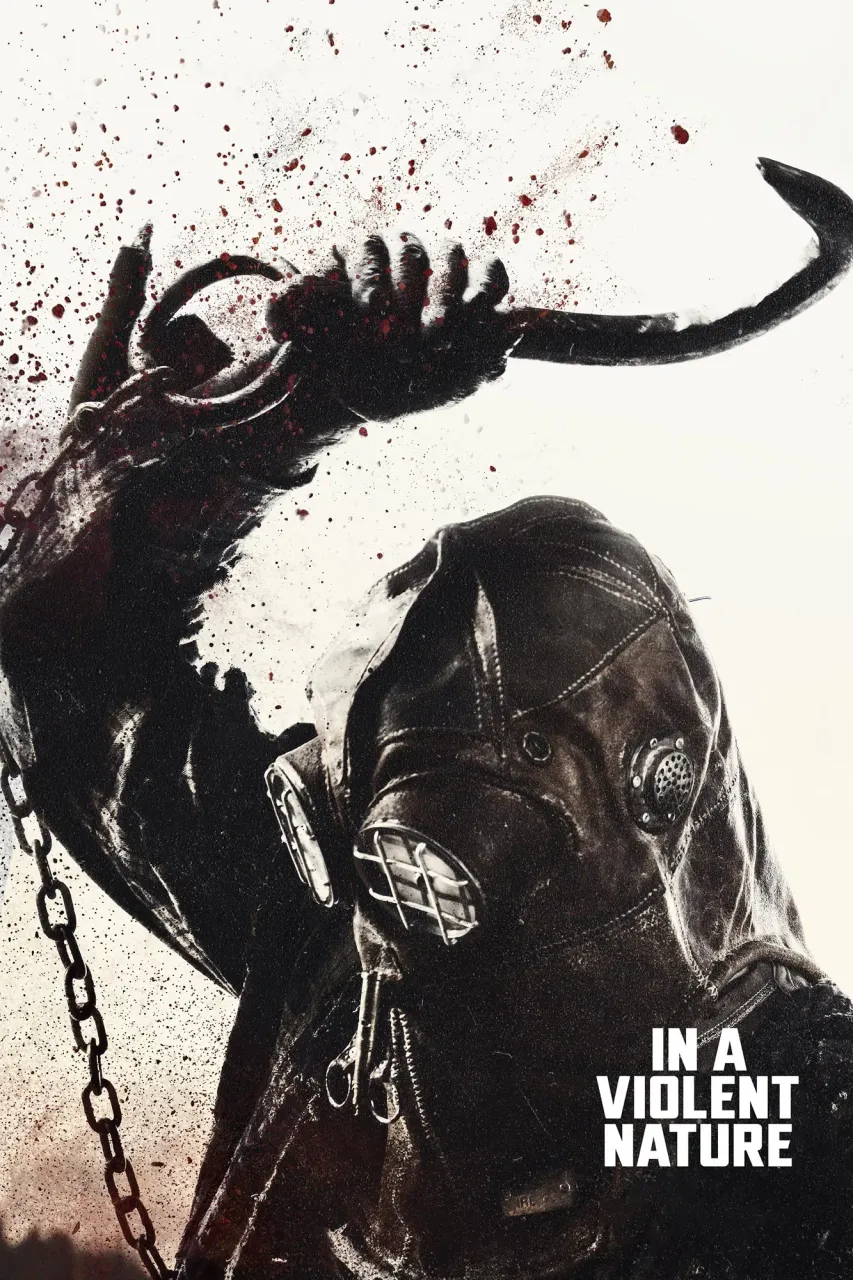
Canadian horror films continue to show us time and time again that our forests are some of the scariest forests the world has to offer, Chris Nash's In a Violent Nature being one of the most recent examples. Filmed deep in a Northern Ontario forest, this film uses the Canadian wilderness not just as the location but as a character - cold, vast and indifferent.
Instead of following the victims, the film is shot from the perspective of the killer as he trudges through the quiet woods. In a Violent Nature trades cheap jump-scares for insanely brutal kills and a more primal tone - reflecting both the beauty and brutality of the wilderness up North. It's a piece of cinema that brings something refreshing and inventive to a sub-genre that has felt tired for a while now.
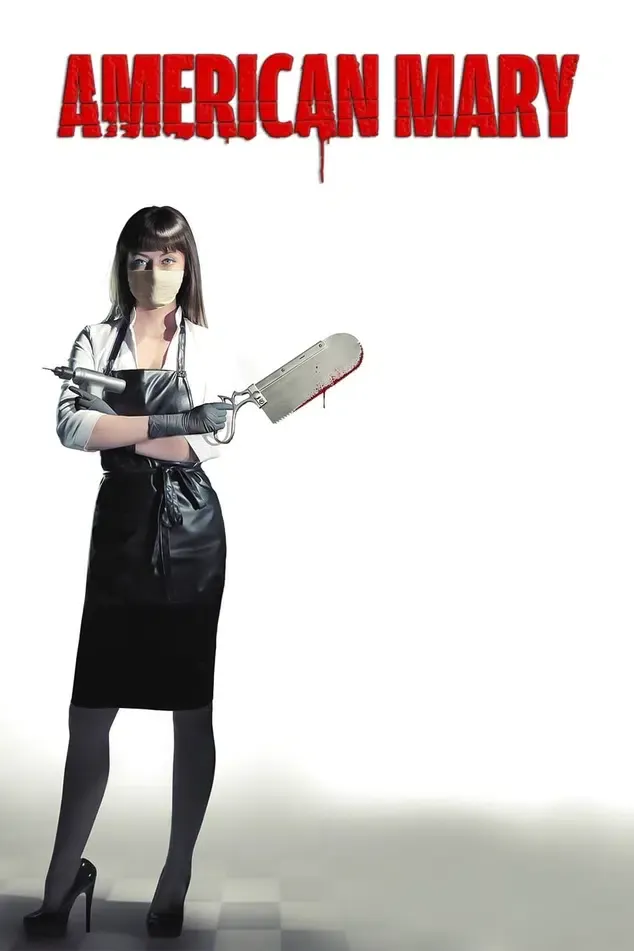
Despite the titular name, American Mary is as Canadian as horror films get. Written and directed by Vancouver's very own Soska Sisters, the film draws inspiration from Cronenberg body horror and is defiantly shot through a female perspective. The Soska Sister's brought Vancouver's dark, rainy aesthetic to this grotesque masterpiece. Filmed entirely in B.C. with almost all Canadian talent, the film explores themes of autonomy, power and reinvention - themes that deeply resonate with Canadian horror's long standing connection to identity and transformation.
Out of all the films on this list, this one has a special place in my heart. In late 2017, I was 16 years old and had just started a high school film program, this is where my passion for film making blossomed. Although, as a woman, I wasn't sure I'd be able to make it as a female director, then I stumbled upon American Mary and that all changed. I was completely in awe of what the two female directors created, it was bold, disturbing and beautiful. The film was everything I aspired to make but didn't think was possible. Shortly after being greatly inspired by these two talented ladies, I fortunately got to PA on one of their sets through my high school film program. It was an experience I'll never forget as I remember them jokingly saying to me “We'll be working for you one day”. That small comment has motivated me to be the filmmaker I am today. THANK YOU Jen and Sylvia Soska!
Canadian Horror films (and Canadian films in general) may not always get the spotlight they deserve but I think that's part of what makes them so special.


Comments 6