The Demon That Watched Us Back —and still does, in the mirror—
General Reviews
By Steve Eordogh JR
---
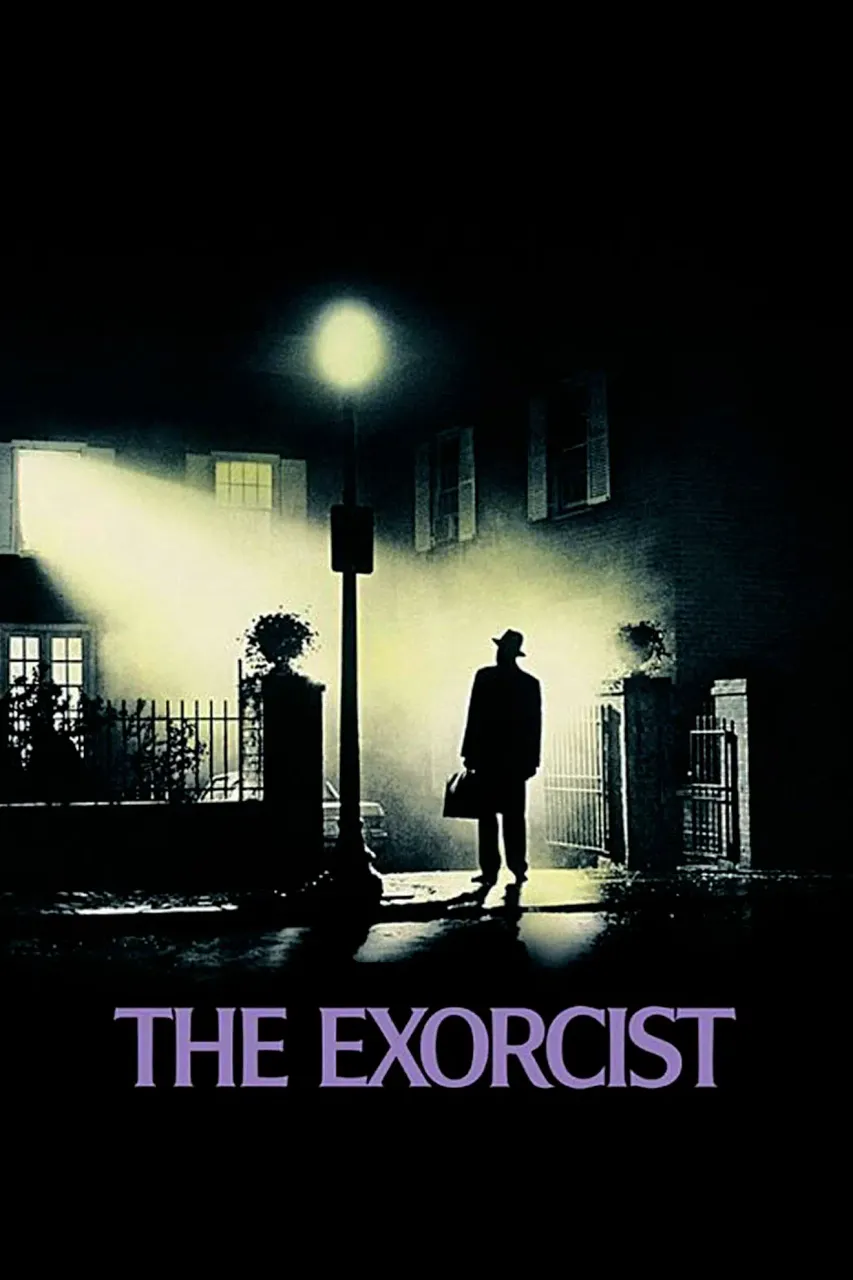
The first time I saw The Exorcist, I was fourteen and thought evil was something that happened on the news or in comic books.
I was wrong.
It wasn’t in a theater. It was on a borrowed VHS tape—audio out of sync, a dark smudge in the corner like a permanent shadow. My friend and I turned off the lights, like that’d make it feel more “real.” What dopes. We didn’t need darkness. The movie brought its own.
I remember the moment Regan growls, Do you wanna see me masturbate, Father? My buddy let out this nervous giggle. Me? I froze. Not just because it was shocking—though it was—but because it felt… true. Not “realistic.” True. Like a crack had opened in the world, and something I didn’t understand—but somehow recognized—was staring back.
That’s what The Exorcist does. It doesn’t jump out at you. It makes you feel like it could happen.

---
William Friedkin never set out to make a horror movie. He wanted to make a film about God’s silence. About what happens when you pray and nothing answers. When you call doctors, shrinks, specialists—and they all shrug. When your daughter—your little girl, the one who drew hearts on your napkins—starts speaking in dead languages and spits in your face with eyes rolled white.
Ellen Burstyn doesn’t act. Her whole body trembles in a way you can’t rehearse. It’s the shake of someone who’s hit the wall and keeps going because there’s no other choice. She doesn’t scream like in cheap horror flicks. Sometimes she doesn’t even speak. She just *looks*. And in that look is everything: love, terror, guilt, despair… and this ugly, desperate kind of courage you won’t find in self-help books.
Jason Miller, as Father Karras, is the broken heart of the film. He’s no hero. He’s a guy who lost his mom, who doubts everything, who studies theology but stopped believing a long time ago. And yet—when he sees Regan—something in him flickers back to life. It’s not faith. It’s compassion. And sometimes, that’s enough.
Max von Sydow doesn’t get much screen time, but when he shows up, the air changes. He’s not playing a priest. He’s a man who’s faced evil before. And he knows you don’t always win. But he comes back anyway. Because it’s not about winning. It’s about showing up.

---
There’s no soundtrack like other movies. No violins warning you when to flinch. Just uncomfortable silences. Sounds that don’t belong: a growl in the dead of night, a thud in the wall with no source. The Georgetown house isn’t a set. It’s a character—cold, damp, like evil had been squatting there long before Regan was born.
And the effects… Jesus, the effects. Today, with all this slick CGI, it’s hard to believe it was all real. But it was. The head spinning. The green vomit. The bed shaking like it’s alive. They’re not tricks. They’re physical screams from a soul at war. Friedkin used makeup, wires, mechanics—and real pain. Linda Blair was twelve years old. And even though everything was controlled, there were nights she didn’t want to go back to set. Who could blame her?


---
But the scariest part isn’t what happens to Regan.
It’s what happens to us watching it.
Because at some point, we’ve all felt something inside us break. Felt like we’re not who we used to be. Like there’s a voice in our head that isn’t ours—whispering ugly things, dragging us into dark places. It’s not a horned demon. It’s depression. Guilt. Loneliness. Grief that won’t leave. And when that hits… who do you call? A therapist? A priest? Nobody?
The Exorcist doesn’t give answers. But it does something brave: it lets us name our fear without shame. It says, “Yeah, evil’s real. And yeah, sometimes there’s no explanation. But you’re not alone.”
---
Fifty years later, it’s still the most divisive film I know. Some hate it for being “over the top.” Others treat it like scripture. I don’t know if it’s holy. But I do know it’s honest. More honest than half the sermons I’ve sat through.
It wasn’t the first horror movie—but it was the first to treat horror as something spiritual, not just physical. And that’s why they burned it. You don’t burn what doesn’t hurt.
---
That final scene… oh, that final scene.
Chris and Regan walk down the snow-covered steps. No words. No hug. No music. Just the crunch of snow under their boots. And Father Dyer, in the doorway, watching them go. No big redemption. No miracle. Just two wounded people walking together into a tomorrow that promises nothing… except they won’t face it alone.
That’s the holiest thing I’ve ever seen in a movie.
It’s not the cross. Not the Latin. Not the exorcism.
It’s a mother’s hand that won’t let go of her daughter—even when she doesn’t recognize her anymore.
---
Today, in an age where everything gets fixed with a click—where pain gets filtered, edited, minimized— The Exorcist is still there. Uncomfortable. Ugly. Beautiful. Reminding us that some wounds don’t heal with logic. That some questions have no answers. And that sometimes, the bravest thing isn’t casting out the demon…
it’s just keeping walking, even when the cold’s breaking your bones.
And if that’s not human, I don’t know what is.

---
I wrote this with the lights off. Not because I’m scared.
But because, after all these years, I still feel like something’s watching me from the screen.
And maybe… from inside, too.
---
End.


Comments 3