The Fallen Red Cape
General Reviews
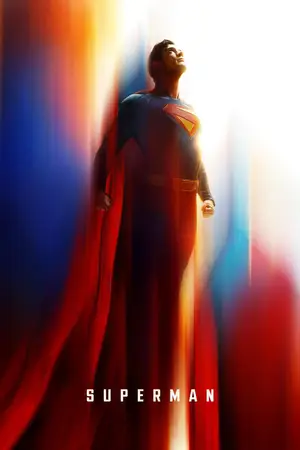
When the Son of Krypton returns to the big screen, he doesn’t bring a dawn of redemption but a twilight of creativity. James Gunn’s 2025 Superman, a film carrying the weight of DC’s hopes for a universe reboot, ends up as a dazzling yet hollow parade of symbols. Wrapped in retro nostalgia, it trades narrative depth for moral preaching and exposes the profound confusion plaguing superhero films in today’s world.
The failure of this new Superman isn’t a fluke—it’s a systemic collapse, from its storytelling foundation to its aesthetic execution, revealing a deep misunderstanding of this iconic character.

Gunn tries to cram too much into one film: a shadowy anti-hero team, a Green Lantern cameo, hints at Brainiac, and comic relief from Krypto the Super-Dog. The result is a storyline as shattered as Kryptonite, lacking cohesion. When Lois Lane and Green Lantern’s discussion of Clark’s secret identity is played for laughs, Superman’s core metaphor of duality is reduced to disposable, social-media-friendly fluff. As one critic sharply put it, the film feels like “either a terrible superhero movie or a decent parody.”
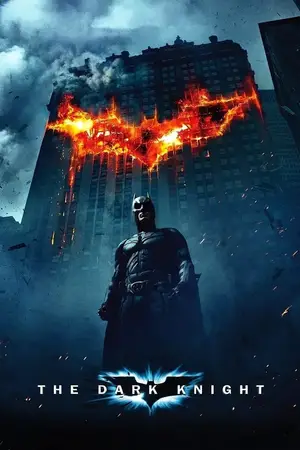
The film’s political allegory is equally clumsy. A plot about a powerful nation attacking a struggling one tries to tackle media manipulation through a “monkey troll army” concept, but it collapses into childish absurdity due to a lack of geopolitical grounding. Compared to the moral complexity of Nolan’s The Dark Knight, where the Joker forces wrenching ethical dilemmas, this film’s conflicts feel “rich with irony” but expose the writers’ inability to handle nuanced storytelling.
Character development is a disaster. Nicholas Hoult’s Lex Luthor—DC’s most intellectually layered villain—is reduced to a cartoonish caricature, his complex blend of tech genius and political ambition flattened into a one-dimensional performance. Even more heartbreaking is Superman himself, alienated from his essence. By having him prioritize saving puppies and helping grandmas cross the street to seem relatable, the film erases his arc from a lost immigrant to a resolute protector. The loneliness of a Kryptonian orphan and the weight of his moral choices—qualities that made Superman a cultural icon—vanish behind forced, crowd-pleasing smiles.

Supporting characters fare no better, reduced to plot devices. Audiences have called out the absurdity of NPCs’ behavior: kids don’t cry or flee when a hundred-foot monster looms, and office workers casually record videos as a godlike threat hovers above. Sure, this might be a jab at our phone-obsessed culture, but it’s so illogical it underscores the film’s failure to create believable characters.
The action scenes, a cornerstone of superhero films, are an unmitigated disaster. The special effects feel lifeless and uninspired, lacking both aesthetic flair and imagination. The underworld set looks like a cheap B-movie, and the crackling visual effects are so unconvincing it’s hard to believe the filmmakers thought them through. The action choreography is equally lackluster—clunky and repetitive, with no spark or innovation. The clone villain’s baffling choice to fight via remote control and Superman’s tired routine of soaring into the sky or skimming the ground leave audiences “dozing off.” This aesthetic collapse obliterates the last stronghold of superhero cinema.
Looking back at Superman’s cinematic history, it’s a story of his divine heroism being gradually dismantled—and this 2025 version marks the vulgarization of that process.

In 1978, Christopher Reeve’s portrayal in Donner’s Superman struck a perfect balance of godlike power and human charm. He was both a savior floating in the night sky and a clumsy, lovable small-town guy, setting the gold standard for comic-book adaptations. That film established Superman as a modern myth, blending grandeur and romance in a way that resonated for decades.
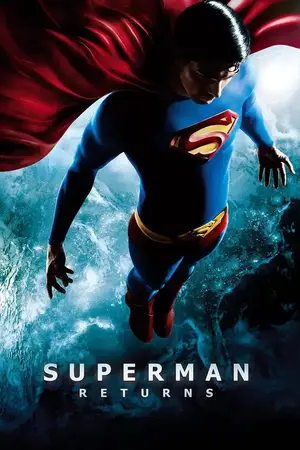
In 2006, Superman Returns tried to recapture Reeve’s classic vibe with Brandon Routh but felt dated for lack of fresh ideas. Its heavy focus on Superman’s godlike qualities clashed with a cultural shift toward deconstruction, signaling the cracks in traditional hero narratives.
By 2013, Zack Snyder’s Man of Steel took a bold swing. Though divisive, it offered a meaningful reimagining, casting Superman as an existential outsider torn between his Kryptonian heritage and Earthly identity. The Fortress of Solitude wasn’t just a place but a metaphor for his inner turmoil. While its grim tone had limits, it dared to confront the spiritual struggles of a superhero in a modern world.

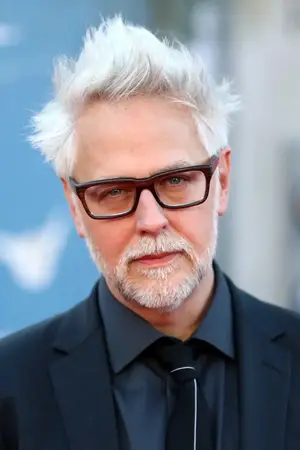
Gunn’s 2025 version, billed as a “reinvention,” is a creative step backward. It pretends to return to Superman’s roots but regresses to pre-Nolan immaturity. When Superman’s costume stays pristine and his moral choices carry no weight, Gunn’s approach—recycling Guardians of the Galaxy’s playbook with Krypto standing in for Rocket Raccoon and Star-Lord’s awkward humor swapped for Superman’s goofy grin—erases what makes DC characters unique.
This regression reflects Hollywood’s confusion about Superman’s essence. From “Son of God” to “stranded alien” to “sunny everyman,” his cultural weight has been steadily stripped away, leaving him in this film as a “harmless but flavorless cultural relic.”
The failure of Superman is just the latest chapter in the DC Cinematic Universe’s (DCU) strategic missteps, rooted in Warner Bros.’ obsessive chase for a “cinematic universe” model.

The DCU’s history of flops is a cautionary tale of corporate anxiety overriding artistic vision. From the rushed collapse of Snyder’s universe to The Flash’s multiverse fumble, Warner has been frantically playing catch-up with Marvel. Gunn promised to move away from “connectivity for connectivity’s sake,” but this Superman stuffs in references to The Authority, Supergirl, and more, turning the film into a glorified trailer for the next decade rather than a standalone story.
This obsession with crossovers peaks in post-credits teases and cameos. The film includes Green Lantern, Brainiac hints, and setups for spin-offs, but these “universe-building” Easter eggs crush the main story, which struggles to stand on its own. Though David Corenswet’s Superman is a highlight, the film around him fails to focus on Clark’s journey.
The deeper issue is DC’s muddled brand identity. Marvel leans into pop-culture accessibility, while DC wavers between “serious comics” and “mass entertainment.” When Nolan gave Batman gritty realism, Gunn drowns Superman in ironic “anti-hero” tropes. Blending Snyder’s dark aesthetic with Gunn’s playful tone is like mixing oil and water, and the result is a mess.

Audience expectations make this worse. Fans remember the grand, weighty Superman of old, and this overly bright, almost childish tone feels jarring. When a brand can’t establish a consistent vibe, every stylistic shift betrays its loyal viewers.
Superman’s struggles mirror a broader crisis in superhero cinema, where the genre’s internal contradictions are exploding.
The film’s creative exhaustion and moral disconnect with the times are glaring. Gunn wants Superman to be the hero 2025 needs but takes the safest route, using 1950s moral simplicity to tackle algorithm-era ethical dilemmas. When the story puts Superman in a political controversy as a “government agent,” it could have explored immigration or media manipulation but settles for a shallow “just be kind” resolution.
This reflects a deeper crisis of trust in cultural symbols. In a post-truth world of geopolitical games and information wars, a “perfectly good” Superman feels not just fake but unsettling. In 1938, when Jewish immigrants created Superman, he was a beacon of hope for refugees. Today, in an era of deconstruction, pure idealism comes off as insincere.
The genre’s path forward might lie in The Dark Knight’s moral complexity or Watchmen’s bold deconstruction, not this Superman’s bland middle ground. When jokes about Krypto being the film’s “real star” ring true, it’s a sign that superheroes as serious storytelling vehicles are fading.

When Easter eggs replace character depth and moral platitudes overshadow human struggle, the red cape becomes a shadow of IP exploitation. Gunn’s misstep proves that superhero films must confront the world’s complexity or risk becoming decorative relics.DC doesn’t need another “Gunn” at the helm—it needs the courage to admit that when the world is too messy for Superman to save, letting the Son of Krypton rest may be the greatest respect to his legacy. The real way forward lies in returning to DC’s roots—not omnipotent powers but the resilience of ordinary people choosing to rise despite the muck. This humanity made Nolan’s Batman an era-defining icon but is lost in this Superman’s candy-colored haze.
The future of superhero films isn’t in more universe crossovers or flashier effects but in rediscovering the vulnerability and courage beneath the mask. When the Last Son of Krypton smiles on the 2025 screen, he’s writing his own epitaph—not because we don’t need heroes, but because the heroes we need must face a world without easy answers.








Comments 2