IRREVERSIBLE: A Cinematic Red Flag
General Reviews

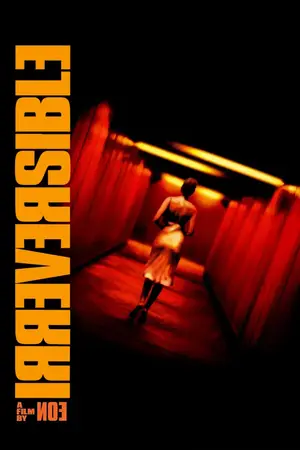
Irreversible is one of those films that you won't bring yourself to rewatch, even for the sake of a review. You see it once— alone, in a state of shock, and maybe then with someone you had to warn beforehand. That is why this film will be a red flag not just for you but for many others as well. It’s a masterclass in filmmaking, yet the visceral nature of its content creates a moral dilemma. Should you recommend it, knowing how disturbing it is? Gaspar Noé's style forces you to confront these uncomfortable questions head-on.
Watching Irreversible feels like a cinematic endurance test. It challenges your capacity to absorb graphic violence while appreciating the artistry behind its creation. Noé crafts a film that’s hard to forget, not only because of its content but also because of the way it leaves you torn between admiration and revulsion.
Gaspar Noé: Innovative and Provocative

Gaspar Noé is one of the most innovative directors of our time, constantly pushing the boundaries of storytelling and visual experience. His camera work is distinctive—swirling, disorienting, and almost hypnotic. In Irreversible, the camera seems to have a life of its own, mimicking the chaos and despair that the characters endure. This technique is not just a stylistic choice but a way to immerse the audience in the film's harrowing reality.
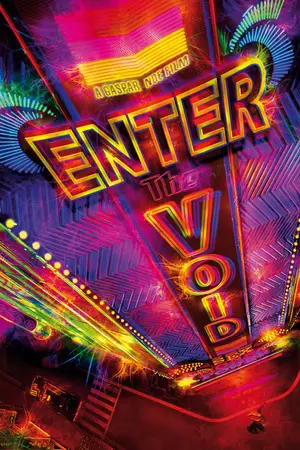
Noé’s filmography is filled with stories that are often trippy and surreal. Enter the Void takes viewers on a psychedelic journey through the afterlife, while Climax explores the descent into madness of a group of dancers after consuming LSD. These films, much like Irreversible, are not meant to be comfortable experiences. They are confrontational and experimental, designed to provoke strong reactions—whether of fascination or disgust. Noé’s Love, with its explicit portrayal of intimacy, pushed these boundaries further, leaving audiences polarized. Some view his work as visionary, while others find it indulgent or even offensive.
The Reverse Chronological Narrative: A Justification for Watching

The reverse chronological narrative of Irreversible is a crucial aspect that elevates the film beyond its graphic content. By starting with the violent aftermath and moving backward to a peaceful beginning, Noé forces the audience to confront the inevitability of the characters’ fate. This structure transforms the film from a simple story of vengeance into a meditation on time, choice, and consequence.
As the film progresses, each scene adds layers of meaning to the ones that follow. By the time you reach the serene opening scene, the emotional weight of the previous events lingers. This narrative choice creates a unique viewing experience where the audience’s knowledge of the future casts a shadow over the past, making the hopeful moments feel tragic. It’s a storytelling technique that highlights Noé’s brilliance, making Irreversible more than just a film about violence—it’s a deeply unsettling exploration of fate.

Monica Bellucci and the Role of the Victim
Monica Bellucci ’s performance in Irreversible is haunting and powerful. Her portrayal of Alex, the victim of brutal violence, is devastatingly real. Knowing that Bellucci and Vincent Cassel were a couple at the time adds a layer of authenticity to their on-screen relationship, making the events even more gut-wrenching. Their real-life connection translates into a palpable chemistry, which makes the violence Alex suffers all the more shocking and difficult to watch.

Bellucci’s status as a sex symbol is deliberately used to confront societal attitudes towards victims of sexual violence. The film challenges viewers to look beyond superficial judgments about appearance and clothing, forcing them to confront the brutal reality of victim-blaming. Noé leaves no room for ambiguity—the violence is horrifying, unjustifiable, and deeply affecting. Bellucci’s performance ensures that Alex is seen not just as a victim but as a person, a woman with dreams and love, tragically cut short by an act of senseless brutality.
Conclusion: The Necessity of Graphic Content
Irreversible raises a difficult question: is it necessary to depict violence so graphically? Noé doesn’t provide easy answers. Instead, he presents the violence in all its rawness, leaving the audience to grapple with its implications. Some might argue that such explicit scenes are essential to convey the horror of the act, while others might see them as unnecessarily exploitative.
In the end, Irreversible is a film that stays with you, not because it’s easy to watch, but because it demands a response. It forces viewers to reflect on their own limits, the nature of justice, and the impact of violence. For cinephiles, it’s a must-watch for its technical brilliance and narrative innovation. But recommending it comes with a caveat: be prepared for a film that will challenge you in ways you might not expect, and leave you questioning not just the film but yourself. Once you watch it is Irreversible, same as what happens to the main character.




Comments 9