
In Cold Light (2025)★ 5.9/10
- Action
- Crime
- Drama
- Thriller
Directed by: Maxime Giroux
Written by: Patrick Whistler
Ava attempts to go straight after prison, but her twin is murdered and being a witness to the shooting, she is forced to run for her life.
Articles about this

Cast & crew
See all ›






Reviews
A Alex SoutheyOctober 24, 2025
Maika Monroe (a certified scream sueen: Villains, It Follows, Longlegs) who stars in Maxime Giroux’s In Cold Light as Ava, is sterling. She is meant for close-ups. Based on her filmography, she’s got the practice. Without a word she conveys more understandable exposition (assumptive exposition?) than the reams of cold, lifeless dialogue motormouths churn out in much of today’s artistic landscape.
If a previous over-reliance on great (if, even at their best, self-serving) monologues led, eventually, to turn towards favouring towering, intense close-ups, then let In Cold Light be known as the keeer of some of the best.
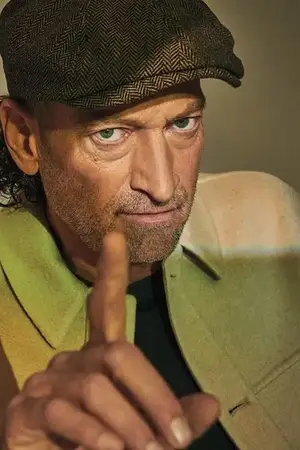
Another stellar perfromances comes from actor Troy Kotsur (Coda, Black Rabbit), who is notable not just because he is an Oscar winner, but because he is the first male deaf actor to ever win the award. Kotsur conveys a mixture of contempt, grief, and guilt, and a kind of intensity in his physicality that makes him a scene stealer (he’s a real danger for this in the aforementioned, and great, Black Rabbit).
Giroux gathers her players at sets them alight, at the bottom right from the start of the story.
Ava is fresh out of prison. She used to head a small “gang” of drug dealers, which included her twin brother, who worked at a pharmacy. It’s been a while, so when she returns, she finds she’s lost her unimpeachable spot at its centre. The gang relegates her to being just another body — just another body of an operation she herself created. They argue she’s a risk. She is. She knows it. But doesn’t history count for something? Not everything that happened prior to the start of this film was her fault. Where’s the leeway?
Leeway comes from her twin brother, Tom, thanks to their unbreakable bond. They can criticize each other honestly. He’s unimpressed with her for getting into enough trouble selling and doing drugs she wound up in jail. She’s unimpressed he’s a premature father and ever joined her gang of drug dealers in the first place. It’s an insidious cycle, and blame, rightly, can be placed nearly everywhere.
Soon after, the siblings are stopped by a police officer. What are they going to do? They have drugs on them. Ava can’t go back. Suddenly, a gunman appears where the officer just was. He shoots Ava and Tom. Both go down. The officer returns and congratulates the gunman, his son. In the time they speak, Ava slips out the far side of the car and out of sight. The gunman returns and finds her gone. He and the officer split up to look for her. Ava returns, and takes a last look at her brother.
Gauntlet tossed. Line in sand drawn. Noted. What follows is missplaced blame, conflicting motivations, and reasonable distrust.
Like Good Time, a film that seems to revel in anxiety caused by living on the edges of society, and the consequences that come with that, In Cold Light never lets up. The camera never strays, yet it’s rarely still. The lighting brings to mind 1980s neo-noir, but with a modern indie softness. If there is a criticism here, it’s that it knows it’s beautiful, and seems to luxuriate in it. Even at 1h 36m, some of it could be chopped, but it is a beautiful, penetrating project indeed.
It’s easy to imagine throngs of film nerds (compliment) in line for the eventual In Cold Light 4k Blu-Ray with commentary.
All this to say, Maxime Giroux’s first English feature In Cold Light is a modern classic.