Tokyo Twilight (1957)★ 7.9/10
- Drama
Directed by: Yasujirô Ozu
Written by: Kōgo Noda, Yasujirô Ozu
The film follows two sisters who confront their estranged mother, uncovering the painful history of abandonment. As they grapple with their feelings of resentment, guilt, and regret, the film delves into the complexities of family relationships and the haunting echoes of the past.
Cast & crew
See all › Setsuko HaraTakako Numata
 Ineko ArimaAkiko Sugiyama
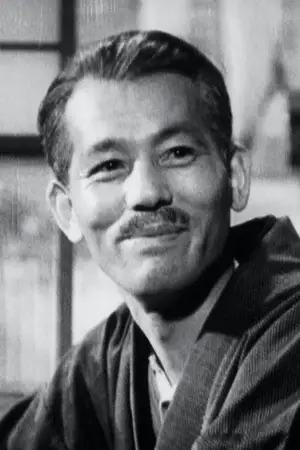 Chishû RyûShûkichi Sugiyama
 Isuzu YamadaKisako Aijima
 Teiji TakahashiNoboru Kawaguchi
 Masami TauraKenji Kimura
 Haruko SugimuraShigeko Takeuchi
 Sô YamamuraSeki Sekiguchi
 Kinzô ShinYasuo Numata
 Kamatari FujiwaraGihei Shimomura - Noodle Vendor
 Nobuo NakamuraSakae Aijima
 Seiji MiyaguchiPoliceman
Reviews
B Berta_PerkinsMay 18, 2025
Ozu’s dedication to realism is unmatched—his use of fixed shots and plain, direct dialogue brings daily life to the foreground. But unlike his other films, this one carries a rare undercurrent of sorrow. Setsuko Hara perfectly embodies the traditional Japanese ideal of a gentle, self-sacrificing woman. Her return to an unhappy marriage for the sake of her child feels inevitable, yet we sense that happiness may never come.
A Alison_OlsenMay 15, 2025
Ozu’s final black-and-white film is also one of his darkest. There are no tracking shots—just static compositions and low angles that imbue the story with a quiet, inescapable sadness. Yet despite its moody tone, the first hour drags, and the storytelling feels less precise and emotional than in his earlier works.
C Cassidy_RobbinsMay 22, 2025
La dedicación de Ozu al realismo no tiene comparación—su uso de planos fijos y diálogos sencillos y directos pone la vida cotidiana en primer plano. Pero a diferencia de sus otras películas, esta lleva una rara corriente de tristeza. Setsuko Hara encarna perfectamente el ideal japonés tradicional de la mujer amable y abnegada. Su regreso a un matrimonio infeliz por el bien de su hijo se siente inevitable, aunque presentimos que la felicidad nunca llegará.
J Jay_TaylorMay 21, 2025
A dedicação de Ozu ao realismo é inabalável — seu uso de planos fixos e diálogos simples e diretos traz a vida cotidiana à tona. Mas, ao contrário de seus outros filmes, este carrega uma rara corrente de tristeza. Setsuko Hara encarna perfeitamente o ideal tradicional japonês de uma mulher gentil e abnegada. Seu retorno a um casamento infeliz para o bem do filho parece inevitável, mas sentimos que a felicidade pode nunca chegar.
L lolita.movieMay 19, 2025
O último filme em preto e branco de Ozu é também um de seus filmes mais sombrios. Não há planos-sequência — apenas composições estáticas e ângulos baixos que impregnam a história com uma tristeza silenciosa e inevitável. No entanto, apesar de seu tom sombrio, a primeira hora se arrasta e a narrativa parece menos precisa e emocionalmente afetada do que em seus trabalhos anteriores.
O Omar_HinesMay 19, 2025
La última película en blanco y negro de Ozu es también una de sus más sombrías. No hay travellings—solo composiciones estáticas y ángulos bajos que le imprimen a la historia una tristeza silenciosa e inevitable. Sin embargo, a pesar de su tono melancólico, la primera hora se hace lenta, y la narración parece menos precisa y conmovedora que en sus trabajos anteriores.